
The markets are betting heavily on a soft landing once the Strait of Hormuz reopens.
Stocks are near highs… Earnings expectations remain strong… Valuations are stretched, which implies optimism… And the credit markets show no signs of deep-recession stress.
Investors want to believe that once the Strait opens up, inflation will cool, the Fed will get room to cut rates, corporate earnings will hold up, and risk assets will keep working.
But there’s one problem that could complicate the whole story: oil.
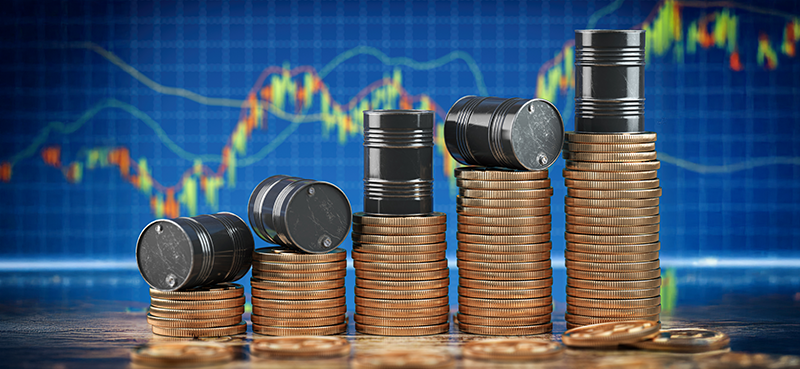
According to The Kobeissi Letter, “there is a near-perfect correlation” between U.S. crude oil prices and the Consumer Price Index (CPI)… And oil has averaged close to $100 per barrel since around March 6 (roughly 79 days).
That’s a critical indicator few are paying attention to.
Let’s take a look at what it means for the inflation outlook… and for your portfolio.
Why sustained oil prices are a big deal
Crude touches transportation, shipping, air travel, manufacturing, plastics, chemicals, fertilizers, heating, cooling, and packaging. It’s embedded in the cost of moving goods, producing goods, and delivering services.
That’s why the relationship between oil and headline inflation is so important.
When crude oil rises, it hits consumers hard and fast through gasoline and energy prices.
Then, it bleeds throughout the rest of the economy: transportation, food production, shipping, packaging, air travel, and corporate margins.
So when crude stays elevated, it can keep pressure on CPI even after other inflation drivers start to cool.
A brief spike in oil is one thing. Companies can absorb a temporary jump in energy costs. Consumers can grumble through a few painful trips to the gas station. The Fed can look past short-term volatility.
But sustained oil prices in the $90–$100 range are a different story: They tend to keep inflation stickier for longer than the market expects.
Inflation is still running hotter than the Fed wants. In April, the CPI came in at 3.8% year over year—well above the Fed’s 2% target.
If it stays sticky, the Fed has less room to cut—even if parts of the economy appear to be cooling.
Here’s the kicker: 79 days is long enough to start showing up in the data, but not in the full second-order effects.
In other words, we may not have seen the worst of it.
The margin squeeze could be the next shoe to drop
For companies with strong pricing power, higher input costs are manageable. They can raise prices without destroying demand.
But companies with weaker pricing power—like retailers, restaurants, airlines, logistics-heavy businesses, and low-margin consumer companies—can get squeezed fast when transportation, fuel, and packaging costs rise.
That’s the deeper point investors should focus on: Sustained oil prices separate the price setters from the price takers.
When inflation is falling and rates are coming down, long-duration growth stocks tend to benefit. Investors are willing to pay more for future earnings when money gets cheaper.
But with sticky inflation, the market starts rewarding traits like strong free cash flow, real assets, and pricing power.
Energy producers, pipeline operators, royalty companies, and select commodity businesses are on the right side of the equation. The same cost pressure hurting consumers and low-margin companies can become a revenue tailwind for them.
These companies aren’t just benefiting from higher crude. They’re benefiting from a market environment where hard assets, cash flow, dividends, and buybacks matter more than easy growth.
The bottom line
The soft-landing setup depends on inflation moving in the right direction.
If inflation cools, the Fed has room to cut rates, financial conditions loosen, and the economy gets some breathing room.
That’s the bullish case… But oil is pushing against that narrative.
If crude stays elevated, inflation gets stickier, and the Fed has less room to cut—even if parts of the economy are slowing.
That creates a much tougher environment for investors.
Rate cuts get delayed. Bond yields stay higher. Growth stocks face more pressure. Consumers get squeezed. And companies with weak pricing power start to feel the margin hit.
That’s why oil’s sustained price is such an important signal: It doesn’t just challenge the inflation narrative. It challenges the current market leadership story.
Get more deep-dive insights into what’s moving the market—and how to position your portfolio—when you join Wall Street Unplugged Premium.
Curzio Research publishes market commentary for informational and educational purposes. The opinions expressed and market conditions when the content is published may change. It is not personalized investment advice or an offer to buy or sell securities. Investing involves risk, including possible loss of principal. Do your own research and consult a qualified investment professional before making investment decisions.