
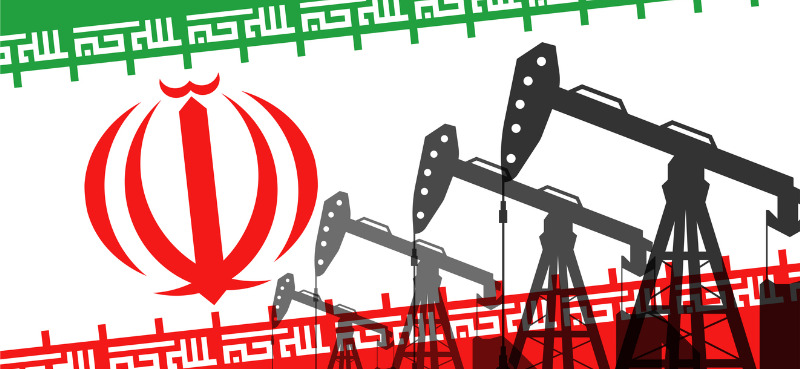
The U.S. Treasury just dropped another round of sanctions on Iran’s military oil network.
This time, the targets included vessels and companies tied to Iran’s crude and petroleum shipments—including networks connected to Sepehr Energy Jahan, the oil sales arm linked to Iran’s Armed Forces General Staff.
In plain English: Washington is trying to cut off one of Iran’s most important sources of cash.
But here’s the part investors need to understand…
Iran’s oil machine is harder to shut down than simply issuing sanctions.
Instead, it’s been pushed into the shadows… making the oil market more vulnerable to sudden price swings.
Let’s dive deeper…
Iran’s “shadow fleet” is still operating
Iran has spent years building a workaround system for selling oil under sanctions.
It relies on aging tankers, shell companies, ship-to-ship transfers, falsified documents, and buyers that are willing to operate outside the normal Western financial system.
That system is often called the “shadow fleet.”
And it’s become a major part of how sanctioned oil still reaches the market.
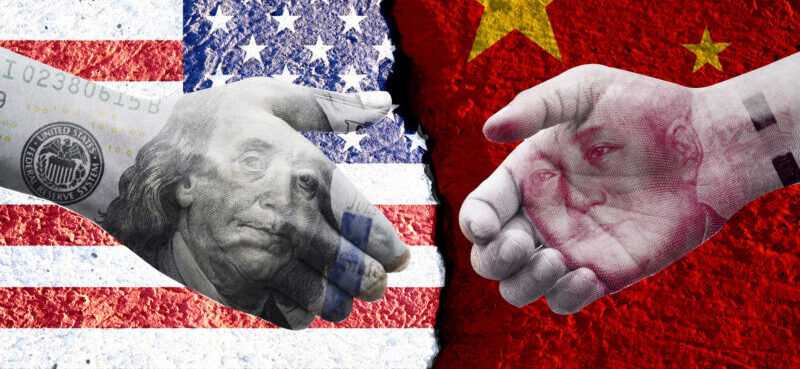
The most important buyer is China.
According to the U.S. Treasury, China currently purchases roughly 90% of Iran’s oil exports, with independent “teapot” refineries buying most of those barrels.
These smaller refiners have less direct exposure to the U.S. financial system than China’s major state-owned oil companies. So they’re more willing to buy discounted Iranian crude, even when sanction risk is high.
That’s the key reason Iranian oil hasn’t vanished from the global market.
Earlier this year, Iran was still exporting significant volumes. UANI’s tanker-tracking data showed Iran exported about 1.51 million barrels per day in January 2026, with roughly 1.35 million barrels per day going to China.
Those volumes fell sharply in March as the Iran conflict disrupted shipping and trade flows. UANI estimated Iran’s exports dropped to about 1.14 million barrels per day that month.
That drop is important because it shows what happens when the workaround system gets stressed: Iranian barrels don’t have to disappear completely for the market to start repricing the risk.
Why the shadow fleet matters for oil prices
The story here isn’t that one new round of sanctions will suddenly shut down Iranian oil.
That’s unlikely.
The bigger story is that more than 1 million barrels per day of Iranian oil now depends on a shadow system.
That’s made the oil market harder to price.
As long as the shadow fleet works, Iranian barrels keep reaching China and the world avoids an immediate supply shock.
But if Washington’s enforcement starts biting harder… if China pulls back… if insurers refuse to touch more vessels… or if Iran retaliates near the Strait of Hormuz… the market could suddenly be forced to reprice a major supply risk.
Simply put, oil can move sharply on Iran headlines even when Iranian exports haven’t collapsed.
The key question isn’t, “Will sanctions stop Iran?”
The better question is: “How much oil supply is now dependent on a workaround system that could break under pressure?”
What this means for energy stocks
For investors, the setup is more nuanced than “Iran sanctions are bullish for oil.” Sanctions alone haven’t stopped Iranian crude from reaching China.
But the broader backdrop still supports maintaining energy exposure.
The Middle East remains unstable. Iran’s shadow fleet is still active. China remains the key buyer of Iranian crude. And the Strait of Hormuz is still a pressure point for global energy markets.
That combination keeps a risk premium under oil.
U.S. oil producers, like EOG Resources (EOG) and Devon Energy (DVN), are among the clearest beneficiaries. Crude is priced globally. If geopolitical tensions keep benchmark prices elevated, these companies can receive higher prices for the barrels they sell here at home.
For broader exposure, the Energy Select Sector SPDR ETF (XLE) gives investors a basket of major U.S. energy stocks.
Bottom line
For investors, the takeaway is simple: Iran’s oil machine hasn’t been shut off. But the system keeping those barrels moving is murky, fragile, and politically explosive.
When that system looks less reliable, crude prices can move fast. And as long as that risk remains, U.S. producers are positioned to benefit.
For more more deep insight into what’s moving the markets—and how to position your portfolio—join Wall Street Unplugged Premium today.
Curzio Research publishes market commentary for informational and educational purposes. The opinions expressed and market conditions when the content is published may change. It is not personalized investment advice or an offer to buy or sell securities. Investing involves risk, including possible loss of principal. Do your own research and consult a qualified investment professional before making investment decisions.