
The Low-Risk Biotech Rulebook
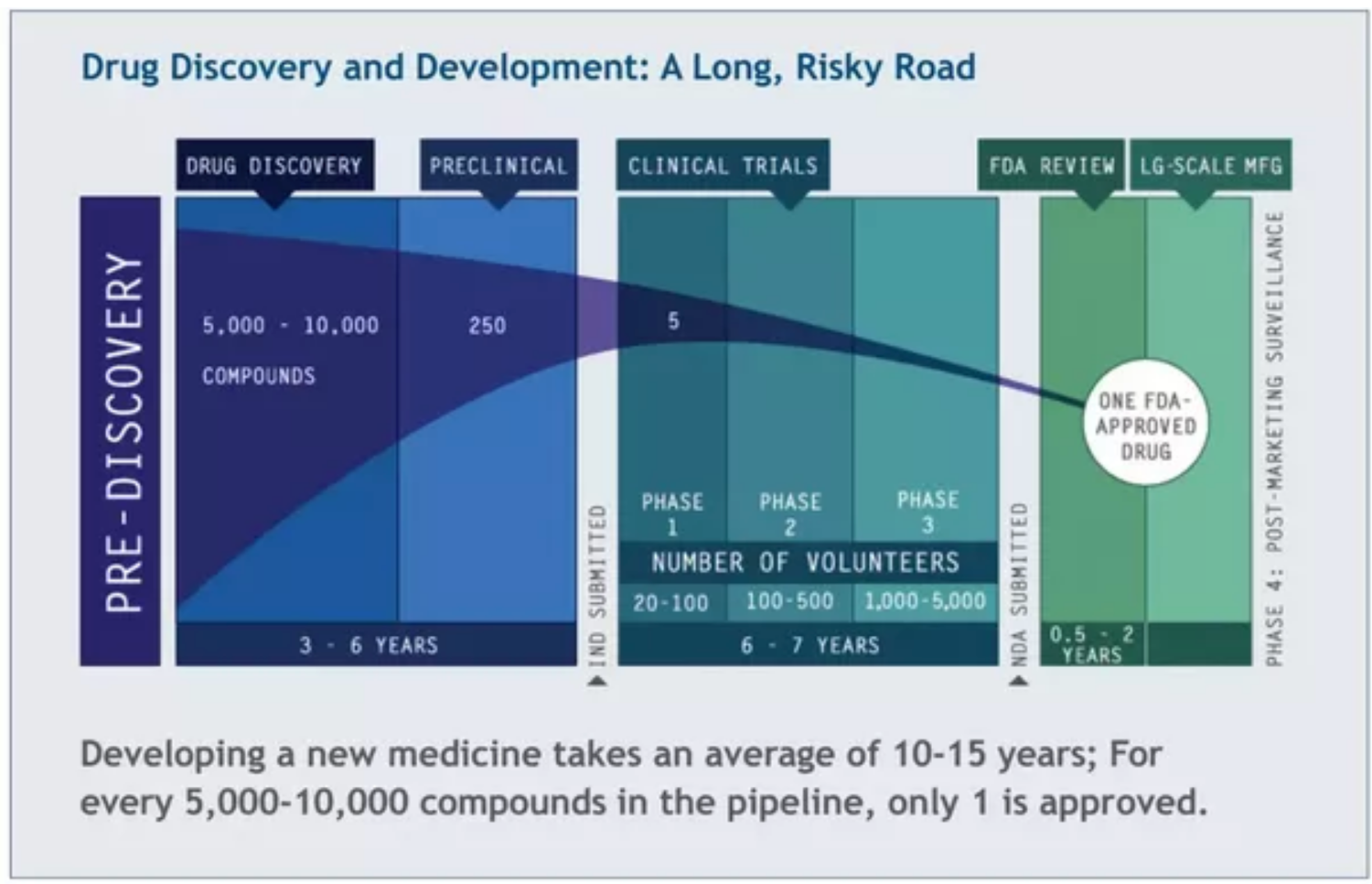
Trying to guess which drugs will succeed and whose stock will benefit the most is both troublesome and lucrative. But checking the core necessities of any biotech firm can be just as vital.Every biotech stock, even before it makes it into my shortlist of potential recommendations, must follow the following criteria:Rule #1: Money in the BankThe first rule is to look for biotech firms that have enough money to fund their research programs. The only ways to protect R&D is get either massive amounts of private funding, seal a big pharma acquisition deal, or have enough money in the bank already to survive the lengthy process ahead.Many investors think that biotech companies have massive R&D operations. But surprisingly, this isn’t the case. True small-cap biotech firms are based on technologies and findings developed at universities. And without the proper funding, the drugs will have an extremely difficult time gaining traction.Rule #2: Strong PipelinesAny experienced investor will advise not to put “all of your eggs in one basket.” Well, the same is true even when it comes to biotech…I look for companies that have a strong drug pipeline so their future isn’t tied to only a specific drug or condition. A private research firm I used to work for called this the “multiple shots on goal” model.The more shots on goal, the better chance you have of scoring. In biotech terms, the more drugs a company has in its pipeline, the better its chance of eventually getting an FDA approval. This creates a completely new layer of safety for your investment.I only invest in biotech companies with at least two drugs in their pipeline. It’s critical you do the same and ignore the other “one-trick ponies.”Rule #3: PartnershipsHere we’re looking for biotech stocks with drug programs that are funded through partnerships with the world’s largest pharmaceutical companies. It’s like having Warren Buffett invest in your start-up… You have a partner with deep pockets, a great list of contacts, and extensive knowledge of the industry.Rule #4: Management, Management, Management…Finding the right group of entrepreneurs and executives around the table in biotech is a completely different ball game than most…These are companies driven by science. To overcome FDA approval, management needs scientific officers that can deeply root and understand the fundamentals of a drug’s capabilities. From mishandling or rushing clinical trials… to choosing the wrong patients or distorting clinical results… to inexperienced management, at all levels, can easily botch a perfectly useful drug.We want to evaluate companies that not only have hands-on experience, but are led by management teams that have successfully brought a drug into the market.Ideally, management also has “skin in the game” – they own a portion of the company, so their incentives are in line with shareholders’. Rule #5: Never Fall in LoveBehind every stock is a company. And behind every company is a story. Biotech stories are often about misfortune and hope; about individuals whose lives will be vastly improved by new technologies. “Feel good” investments in drugs that could cure horrible diseases are extremely difficult to ignore. Especially when they offer such huge potential returns.On my Wall Street Unplugged podcast, we’ve covered some amazing technology stories over the past few years, including immunotherapy (using your immune system to fight off diseases)… DNA sequencing (the ability to test and analyze DNA using simple cost-effective blood tests)… and precision medicine (the death of “one-size fits all” treatment). These are all exciting micro-sectors with the industry’s highest growth potential. Keep these trends on your radar – but don’t fall in love with a story. Given the limited chances of any drug reaching the market, every biotech purchase must be considered as an investment – not an act of charity.Carefully consider today’s lessons before you make a purchase… Good investing, Frank Curzio