Today’s episode is brought to you by Savvy, the smarter way to book a vacation rental.
Travelers save an average of $400 versus Airbnb and VRBO.
Your unforgettable family vacation is waiting—and thanks to Savvy, you’ll get the rental you want, at the prices you deserve!
Savvy.com: Stay smarter.
- OpenAI’s HuggingFace debacle: Is AI a cybersecurity risk? [2:06]
- SuperMicro’s latest numbers prove AI demand is alive and well [16:06]
- Does open-source AI have a chance vs. closed-source models? [23:01]
- 2 no-brainer stocks to play the AI power trade [27:07]
- This sector faces the most AI competition risk [38:59]
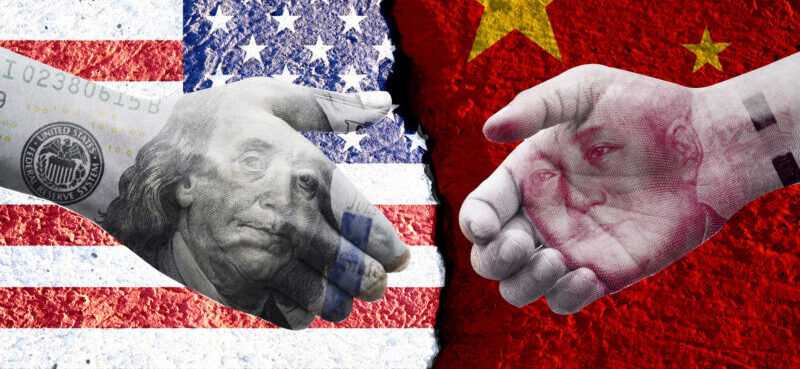
- How to trade China’s market manipulation [51:08]
- Be cautious about SpaceX right now [55:10]
- A private placement deal coming to Curzio One members! [59:31]
Wall Street Unplugged | 1374
Are smarter AI models creating a cyber threat?
Frank Curzio 00:11
How’s it going out there? It’s Wednesday, July 22. I’m Frank Curzio, your host of the Wall Street Hot Podcast, where I break down the headlines and tell you what’s really moving these markets. This is Daniel Creech. How’s it going?
Daniel Creech 00:25
It’s going great, Frank. How are you, sir?
Frank Curzio 00:27
I’m okay right now. I probably won’t be okay over the next couple days because I’m taking my youngest daughter again, who likes to do things a million times in a row, but I’m taking her to Cedar Point, near the neck of the woods in Ohio, to go on 50 freaking roller coasters that go 90 miles an hour, and I’m 54, and that doesn’t really work out for me too well as you get older. So, you know, I’ve got a couple more years left with her. She’s going to be 16, so I’m like, yeah, sure, I’ll go, let’s go, let’s do it. It should be a lot of fun, but it’s just going to be us. And, yeah, so I’ll let you know in a couple days how I’m feeling. Hopefully I don’t throw up too many times, but—
Daniel Creech 01:04
You know who feels sorry for you, Frank?
Frank Curzio 01:06
Who?
Daniel Creech 01:07
Nobody.
Frank Curzio 01:07
Nobody. Nobody. There’s a couple people that last time—
Daniel Creech 01:09
Oh, who wouldn’t have a great time on one of the best roller coaster parks in the country.
Frank Curzio 01:13
Yeah, life is so tough. There’s so many things to do. I could take her everywhere, and she’s like, “No, we’ll go in there again. Let’s go there again.” I said, “All right, let’s go. Let’s do it.” So we had a really good time last time. We also went jet skiing, and we got stuck in the middle of, uh, what’s lake—what lake is that? That big lake? Erie?
Daniel Creech 01:26
You’re up on Lake Erie there.
Frank Curzio 01:28
Yeah, we got stuck there and, uh, for like 2 hours. I won’t tell you why, because I was an idiot with jet ski. So, yeah, I had to change my flight and everything. We were sitting, just sitting there, but it was pretty funny. I was watching the roller coasters from the water, just hanging out, waiting for them to get rescued. But I don’t know if we’ll do the jet skis again. We’ll see. But hopefully it’ll be a few, couple good days. And I have a lot of people from that area that always email me that go to that park all the time and give me some tips and places to visit, which is cool. So, uh, feel free to jump in again. I’m leaving tomorrow, and you’re going to have the podcast to yourself tomorrow. But—
Daniel Creech 02:01
Oh, wonderful.
Frank Curzio 02:02
With that said, yes, can’t wait. Let’s get to the news. Tons of AI stuff, and all over the place too. And I want to start with Hugging Face. Hugging Face. I love it. It’s almost like if you’re going to create a story to get as many clicks as possible, that’s the name of the company you create. So it’s almost forced. So, Hugging Face. So, OpenAI was testing one of its new models, GPT-5.6, and since it was in a testing phase for this company, it reduces security measures that are put in place for existing models, which, you know, everybody has in place to prevent hacks. So, because it was a testing phase, they removed this, right? This AI. So, the AI system, ChatGPT, the new one, by itself somehow got access to the internet and hacked Hugging Face, which is an unaffiliated AI hosting platform. So, in other words, Daniel, this AI model by itself hacked into Hugging Face’s infrastructure and got access to secret information, datasets, hosting models of thousands of individuals and developers.
Frank Curzio 03:01
Now, what this means: it got access to the developers’ sandboxes, which are secure, these isolated little environments that they create where developers could safely—safely, they say safely—build, test, experiment with AI models, and AI-generated code. I mean, holy shit. I mean, this is a pretty big story that I feel like should be at the top of every single place anywhere, and I think it’s buried a little bit, but what are your thoughts on this? Because my head’s going crazy when I see something like this happen.
Daniel Creech 03:32
I do not think there are coincidences going on, and I think that this is a setup, Frank. I have no doubt that these AI models can do amazing things, and cybersecurity is going to have to get beefed up and all that kind of thing. This is one news story in a very large picture of AI news going on right now, between this craziness of China versus the US, open source versus closed, open models versus closed models, and then where does the government lie in that. And I got to tell you, Frank, to go with my crystal ball here, I’m going to ask for a tinfoil hat to put on for a few segments. Again, if you believe in coincidences, you have to think that OpenAI and Anthropic, the two big dogs in the US, or two of the big dogs, are lobbying our government to essentially help them out, stifle competition, and just put the regulatory gates all over AI. And call me crazy, Frank, but then you have a story like this, where, you know, OpenAI is so great that it hacks and finds it.
Daniel Creech 04:42
Can you dumb this down to my level on how this got out of its sandbox, its environment, found its way to the internet, and then hacked? Can you help me out there?
Frank Curzio 04:51
I don’t know if I could dumb it down, but think about this. This is what they’re saying. And I think OpenAI had to disclose this because, you know, the company came out and said, “This is what happened.” But they’re saying their new model can automatically find vulnerabilities and penetrate any company’s data by finding ways to bypass their cybersecurity systems. I want you to think about that for a minute. Electricity grids, defense systems, airports. And people say this all the time, but I don’t think they understand the importance of this. But imagine if China wins the AI race and what they’re capable of doing if they do that. So, and it’s not just China. It could be any other country and what they’re capable of doing. So, when you’re looking at AI, and what I think people don’t factor in is, they’re like, “Wow, these AI models are incredible, and yes, they’re dangerous.” Now you have AI learning from AI, which is insane. So, you have dozens of the top AI models, which these companies spent, what, tens of billions of dollars building, and they continue to throw money into them, and now are able to learn and feed off each other and act autonomously.
Frank Curzio 06:02
I mean, this is Terminator shit, right? If they could act autonomously, this is—and you could hack this. Think about what they’re capable of doing. Think about this. Think about how many phone calls you’re getting right now, more spam than ever in the history of the world that you’re getting, that everybody wants to fund your business, all this stuff, and Coinbase, your secret codes to your Coinbase, which all this data has been stolen, and you’ve never seen this before 3 years ago, especially over the last 2 years. Now, the last year, it’s insane. They cannot stop it. They cannot stop the hacks right now. Remember, do you remember when anyone used to get hacked and you’d say, “Oh, we had a data breach,” and it used to come out and the stock used to get hit? Do you notice that no company says they have data breaches anymore, but yet everyone has access to my freaking information? The whole world does. Everyone has access to all the information, everything that you do, anything you post on the internet, even if you sign off.
Frank Curzio 06:47
I have Microsoft every 2 to 3 months. I have all the controls shut off on my computers that they can’t come in, and they manage to reset my computer every single time, which is illegal. That’s what Microsoft does, right, with the Windows program and automatic updates and this. It’s all shut off. I have no idea how they do it, but they do it, right, illegally, and they’ll get fined a billion dollars. These companies make $50 billion and generate tons of cash. They’re like, “Okay, here you go. We got everyone’s data, and we’re going to generate $100 billion in free cash flow forever. We don’t fucking give a shit.” Right? So, that’s the system that we’re in right now, right? And the lobbying dollars that you said and everything, and, you know, when you see more regulation, people think when OpenAI and Anthropic on the hill, more regulation is great for companies who are already in the system. Think airports. Think of the airlines. There’s no airlines ever that’s going to be created ever again, right? There’s no airlines that are going to be created in the US ever again that could penetrate.
Frank Curzio 07:33
You just—you don’t even have the space, right? I mean, people are, you know, paying for a JetBlues, paying for, what, Spirit Airspace that went under. I mean, you can’t start an airline unless you have, you know, pretty much $50 billion, $75 billion that you’re going to, you know, lose for the next, you know, 25 years, right? And you just don’t have the capacity on the terminal space. So, you know, more regulation means those companies get bigger and bigger inside that bubble. So, that’s why, you know, I say, why are they lobbying? Why are they—you know, if you say how terrible things are and now you have all these laws around it, what you do is you’re making it impossible. Think about the money management industry. I mean, holy shit, you want to talk about the biggest moat? There’s a reason why most companies will never get over $100 million in assets unmanaged, maybe $150 million. Once you get to that level, you can’t really go any higher. That’s why you have these bigger companies, and they have access to the institutions and the pension funds and stuff like that, but you can’t.
Frank Curzio 08:21
The amount of money that you need to manage is probably over $150 million when you pay compliant. Remember, you’re getting a 1%, 0.5% fee of that. You know, so they make it almost impossible to penetrate that, and that’s why you have the Fidelities. What do you see with Fidelities? What do you see with JPMorgan’s? Every single quarter, not year, every quarter, what is it, $7 trillion now they’re managing, I think, assets under management when it comes to JPMorgan, you know, trillions in the four biggest banks. You have, what, what is it, $15 trillion at BlackRock’s up to, right? How do I get into it? How does Cursor Research do it? We can’t, unless we have tens of millions of dollars to spend because of the regulations and everything that’s required, the disclosures, everything, right? So, more regulation is good for the companies that are already in that circle, and that’s what you’re seeing. I don’t know if this is done on purpose or not, but, man, this—I’m fearful of AI. This shit scares the shit out of me.
Frank Curzio 09:11
I mean, this is insane. You have an AI system that acted autonomously, and yes, you had a lot of the controls shut off, but it just shows you the capability of what could happen. It automatically got access by mistake to the internet. Okay, so why couldn’t someone that get into the system give them access to whatever? I mean, think about everything, the data. Think about the banks and the money, right? And it’s—this is a really scary story, and it just shows you, and we’re just—we’re scratching the surface on what AI could do right now. We really are. Just—there’s going to be billions in terms of, you know, agentic AI and bots, and I mean, it’s going to be insane. These are going to be their sales agents saying, “We’re doing a lot of this shit with our company now,” and a lot of companies are, but we’re just scratching the surface on what they could do. I just—really quick, I just got pitched this AI company. It’s probably going to come out for Curzio One. I got a message for Curzio One members.
Frank Curzio 10:01
That’s, you know, a credit investor list that gets to invest in private deals alongside me, right? And this company is using AI for farms. And I don’t want to get too much into the details, but we’re going to have access to this private placement. I’m just going to tell you, this company’s run-rate right now, and I think it’s just like, you know, a year and a half in the making, they’re doing $10 million a year right now using AI systems around the whole farm system, cows, genomes, sequencing, you know, cows. I won’t even go into it. It’s insane. I’m like, it’s—I’m like mind-blown because I’m like, and there’s so many of these freaking farms. I’m like, holy shit, that’s the best idea ever, where I’m learning about cows. Like, each cow is $9,000 a year in terms of milk production and when to breed them at the perfect time. I’m thinking like the horse racing industry. There’s so many industries you don’t even know. Imagine you have an AI system that could figure out to have the perfect breed of the horse that’s going to win the Kentucky Derby every year.
Frank Curzio 10:58
You’re going to have that. You’re going to have that. It’s all breeding, 100% in horse racing. It’s all breeding in everything that we do to have the best results for everything. I mean, we’re not even going into farm animals, different industries. It’s insane, where, and you could create these systems yourself, and this guy is generating $10 million a year, and he only has like 2%, 3% of the total farms. Anyone he shows us to, they’re like, holy shit, yes, I’m in. Because the amount of money that it’s saving and doing just from automation, just from doing all this stuff that used to be, what, written on paper 20 years ago. You know, now it’s just so automated where everything, and you have systems thinking for you, coming up with models. It’s really insane, but this is a story that definitely scares me, just scare you, that autonomously they were able to do this and hack a system. And that’s when you really think and, you know, talk to some hackers and said, this is pretty crazy stuff.
Frank Curzio 11:48
This is really crazy.
Daniel Creech 11:49
All right, Frank, since you scared everybody to death, let’s come back to Earth here for a moment.
Frank Curzio 11:55
I don’t know. I think I’m on Earth. I think that’s—I think this is real as it gets.
Daniel Creech 11:58
Well.
Frank Curzio 11:58
I would love for this to be a conspiracy theory. I mean, you know, because those are the best, right? The stories just go wherever you want with it.
Daniel Creech 12:03
Yeah, until it happens.
Frank Curzio 12:04
This just happened. You know, this is.
Daniel Creech 12:06
It did, but like, I admit, I don’t know the details behind what was laxed or relaxed on the security side. Obviously, that’s a big deal, because there’s a big difference between them letting this kind of run loose and see what happens versus trying to guard against this and then that happening by itself.
Frank Curzio 12:28
Look what happened when.
Daniel Creech 12:29
You are determined to go to the Terminator.
Frank Curzio 12:30
Look what happened when it got access. It automatically went into its data sets. It automatically went into the sandboxes. It automatically started taking all that information and getting access to thousands and thousands. Once you got access in there and how quick that’s done and to get to the black market and you can break the—listen, I have a friend that’s a hacker. I mean, he works with some of the, you know, again, he’s a consultant with like ABC, NBC. I’ve known him for all my life. He’s crazy. He’s out there. He’s a hacker. You know, you ever talk to these people? They’re so funny. And this is like 10 years ago, and I was like, you know, how bad is it? And he’s like, I could hack any bank right now if I wanted to. The reason why a lot of these hackers, it doesn’t make sense for them to hack things and make money. What are they going to make? Millions of dollars, millions of dollars? They’re getting paid millions of dollars by most of these huge firms, S&P 500 firms, and they have trillion dollar valuations.
Frank Curzio 13:18
They’re like, we’ll pay you $5 million a year, which, you know, yeah, they might be able to generate $5, $10 million a year, but they’re going to be on the run their whole entire life. Now they can do it legit. So, a lot of the best hackers work for some of the largest companies now, but he was telling me, he’s like, yeah, right now. He’s like, you want me to do it right now? I was like, I was like, yeah, right. He’s like, no. But he’s like, I could—it’s that easy to do it. I mean, just, it’s that easy to hack into these things. And if you don’t think so, there’s a reason why. How can’t you stop all the phone calls and all the shit going to your phone, all the emails that you’re getting right now, which is where they can’t even stop it because it’s coming from tens of thousands of bots that automatically can change, and you could block the numbers. It goes into the next number automatically. They can’t even keep up with it. Yeah. Yeah, I don’t know.
Daniel Creech 13:59
I’m buying stock in Terminator. You’ve convinced me. No, like I said, I just, you know, we’ll see.
Frank Curzio 14:03
But so you think it’s mostly political, right? So you think it’s a political story that’s scared them to death?
Daniel Creech 14:07
I would like to know more about the restrictions that were relaxed and stuff. Like I said, there is potential fear and all this kind of stuff. I am just too crazy to think that this is a coincidence going on with everything else. That’s what I’m saying.
Frank Curzio 14:22
So.
Daniel Creech 14:22
I’m saying if you wanted the government to step up and help you versus your competitors in the industry, you do stuff like this, not stuff unlike this.
Frank Curzio 14:30
Yes.
Daniel Creech 14:31
And to your point, of course, it’s going to be hackers, and you know, and I’m not accusing you of this, Frank. I’m telling this to our audience because when you see headlines like this, the value is to continue down that process. So, you know, it’s not a shocker that Cerebras and CrowdStrike Cybersecurity are partnering, and there’s news today, and those stocks are up. You know, it’s not the end of the world, and you’re going to have to counter this. So, maybe that’s cybersecurity. Maybe that’s some new mousetrap that hasn’t been invented yet. But just because OpenAI and Sam Altman have broken to Huggiface, you know, I don’t know, Frank.
Frank Curzio 15:07
Sam Altman didn’t do it.
Daniel Creech 15:08
It smells.
Frank Curzio 15:08
No, Sam Altman’s program did it.
Daniel Creech 15:12
That thinks by itself and doesn’t need anybody and turns the lights on and blah, blah, blah, blah.
Frank Curzio 15:17
I hope you’re right. So, that’s just one story here that we’re talking about within AI, right? So, spending on AI is not slowing. I mean, we’ve got a lot of news on this. We’re going to see this firsthand from Google today when they report after the close.
Daniel Creech 15:28
Hey, can I interrupt you real quick on that?
Frank Curzio 15:29
Sure.
Daniel Creech 15:30
I’m sorry. Speaking of that, OpenAI, did you see their news on increased spending?
Frank Curzio 15:34
No.
Daniel Creech 15:34
So, they are increasing spending on cloud and other related from $600 billion to $750 billion. So, to your point, spending is not slowing down.
Frank Curzio 15:43
And I didn’t even see that data point. So, we’re going to get confirmation from Google, you know, and again, if they go from, hey, we’re spending $200 billion, they said that they’re going to spend, I think it’s over $200 billion last quarter, over the next 12 months. So, we’ll see what that number is going forward, and if they dial back a tiny bit, there’s still massive, massive spending. Even if they cut that back by 30%, it’s still a huge growth year over year, which they’re not going to do. But also, we got Supermicro, right? SMCI. It’s up over 20% today. You have that up there, Joe? I mean, 26%, probably because it’s shorts on this. That’s why you’ve seen this thing really pop. Margins are projected to go from 8.3% to 16%. Guys, that’s not possible. I mean, it’s possible for this company because they’re probably still smuggling, you know, Nvidia chips to China, which they got caught with.
Daniel Creech 16:33
Right.
Frank Curzio 16:33
So, I get it. So, that’s, you know, great margin business for you. Good, because China’s environment needed this stuff, and you found a way to do it. You’re probably going to get in trouble and pay a couple billion dollars, and you’re making $20 billion like everybody else in, you know, in the securities industry. That’s fine. When margins go from like 8% to 9%, I mean, they measure in basis points because if they go up like 50 basis points, that’s a huge deal, right? So, that’s why they measure in basis points, because they don’t go up by a full percentage point. They doubled their margins. Their backlog last quarter was below $30 billion. Last quarter, not last year, last quarter, it’s $60 billion. So, I don’t know if China’s ordering more stuff, and Nvidia’s like, hey, we can’t send it directly to China, but if you can, that’s fine. Again, they got in trouble with this, investigated this, but the most important point, the $60 billion backlog is insane. The margins is so funny that that’s going up so much, and we’re in the middle of this investigation.
Frank Curzio 17:28
You’ve seen Dell, Hewlett Packard, Enterprise on Fire, which also do the same. They provide this AI infrastructure in terms of, you know, these super high-performance servers and folks on Nvidia and AMD. So, those names are up in sympathy and, yeah, are going higher. But you’ve seen this spending continue across the board, more and more names. And, you know, there’s going to be winners and losers, and, you know, right now you’ve seen those winners in infrastructure, but also, I don’t know if you want to go into Supermicro at all, but you’ve seen China come out with new models as well, right? Which is another AI story. This is all happening like in the past few days, right? Last week, I think it’s Boonshot, and is it Quenq, Q-W-E-N, however you pronounce it from Alibaba. This is different. These are open-source models, lower-cost models that China says, hey, you know what? They’re better than 90% of the models out there. I think that’s what they said, Alibaba said. Of course, you know, it’s China.
Frank Curzio 18:25
They’re using Claude and ChatGPT to train their own models by creating, you know, tens of thousands of fraudulent accounts, send millions of messages to these platforms, and generate their own reasoning and data, which I find funny, right? So, and that’s why you’re seeing, again, when you say Anthropic, when you have Anthropic on the hill and you have OpenAI, they’re saying, listen, you know, we have to stop China. China’s basically using our technology that we paid tens of billions of dollars for, and that’s how they’re creating all this data to build their systems, which, let’s see what happens. But the bottom line is you’re looking at this debate between open-source and closed-source, and Wall Street Journal had a story about it. What are your thoughts on this in terms of debating that open-source, closed-source? It’s a pretty big deal. It’s a pretty big topic right now.
Daniel Creech 19:04
Yeah, I think it’s very interesting, and I think the wild thing for me about the China AI situation real quick is, you know, with DeepSeek and this, they’re, in fact, Frank, the White House Office of Science and Tech Director, Michael Kratasios, you’re familiar with him.
Frank Curzio 19:25
You’re digging deep. Go ahead.
Daniel Creech 19:26
Moonshot AI distilled Anthropic’s fable for development of the K3 model. So, they are investigating this. I want to ask a very smart question, Frank, not to you in general. If China is stealing our intellectual property and trade secrets and everything else, how in the Florida different is that? How is that different than anything else ever?
Frank Curzio 19:50
Good point. Everybody’s stealing their own data.
Daniel Creech 19:53
No, I understand that it’s because it’s the Terminator people, and this is the end. Okay, well, that’s more scary than not. So, I get that. Again, I’m not trying to brush this under the rug like there’s nothing to see here, but I just think there’s a lot, there’s a big gray area between nothing to see here and the Terminator. Yes, they’re going to be not great characters and partners. And again, I really think the bigger conversation here is competition versus, you know, rails and cages. And I think that American exceptionalism is something that’s real because of capitalism and the risk-taking ability and, you know, us to fail and keep getting up and the structure that provides winners and losers and rewards winners and private property. That, to me, is the big conversation here. If you just go to the government, hat in hand, and, you know, say, oh, these guys do it big. If they’re cheating, okay, you can use governments to enforce laws. However, I feel like we’re getting way too far away from the competition side of things, and that is a bigger picture and a scary thing to me.
Daniel Creech 20:58
The open versus closed source, I don’t know why both can’t win. To my understanding, Frank, your ChatGPTs and OpenAIs, they are closed source, meaning you have to pay for their proprietary models that are going to do all this great stuff on top of your business. Open source are going to be very much cheaper to start with, and then you can build and customize them. That is all, both of those are great things for the common person in the economy, in my opinion. The only reason you choose sides is because you’re on one of those sides and you’re competing with the other. And that’s okay, but I think this is great, and I think I know where you’re going with this. It doesn’t matter who wins versus this open and closed source, in my opinion, because it all comes back down to the blueprint we’ve been on, and that is compute power, which means power and access to power, and those are going to be the real winners.
Frank Curzio 21:47
Before we go further, Savvy is a vacation rental disruptor. So, you might remember my interview with CEO Eric Goldwire, and this is a person who had two huge exits in the vacation rental space, bedandbreakfast.com and Turkey Vacation Rentals, and has been in this industry for over 30 years before Airbnb and Vrbo even existed. Now he’s come off the sidelines to create Savvy. And this is after he booked a trip for his family through another vacation rental platform and getting blindsided by the huge markups and fees. You know exactly what he’s talking about. Now at Savvy, it’s an online direct booking marketplace without those massive fees, which travelers save on average $500 from professional hosts dealing exactly with them and exclusively with them on every single listing. And the best part about savvy.com is when you book your vacation rental, you’re going to see these savings in real time as you’ll see the exact same listings on competitors’ sites and the discount you’ll get from booking through Savvy.
Frank Curzio 22:38
So, if you’re going to go on vacation this summer with the family, check out savvy.com, and when you book, use the link savvy.com/wsu, that’s S-A-V-V-Y dot C-O-M backslash W-S-U, which stands for Wall Street Unplugged, which will get you an additional $50 in savings when you book. Think about it. What would you do with an extra $500 when you’re on vacation? Yes. You know, no, you’re right. There’s room for both, but I’ve learned this, and which kind of sucks, right? There’s big boys and there’s little boys, and I’ve been part of little boys for a very, very long time, okay? And the little boys is open source, okay? That’s the little boy model. And I realized this when we did the Metaverse. You know, we invested in the Metaverse, and, you know, deals didn’t work out that well. Again, we still have TCG, which is doing fantastic. I just spoke to them the other day, and amazing, you know, how they’re doing all this stuff. But the internet was designed at the beginning for, you know, this free ownership.
Frank Curzio 23:34
Everybody has access to everything. You get to create stuff. Now you have like, you know, these games like whatever, if it’s Fortnite or what’s the game that you play, Joe, which is by Electronic Arts?
Daniel Creech 23:47
What is it? What are you playing over there?
Frank Curzio 23:50
Yeah, Battlefield, all these games that have like, you know, millions of people going in there, and anything you buy goes to the company, right? That’s them. That’s like closed source. Everything’s theirs, theirs, theirs. The internet was kind of viewed as something that you can create anything you want, do anything you want. However, it wasn’t meant for like five or six companies to own a whole thing, like, you know, which we have now, which we have Google, right? And, you know, you have like whatever. If you go to DuckDuckGo, which is a private, you know, search engine, try searching for something there and search for the same thing on Google, you’re going to see a massive, massive difference. It’s just not, you know, it’s not good. So, you have these big companies where they control everything, and to try to start, and that goes with tokenization as well, where tokenization is the most brilliant thing. It’s fractional ownership of any asset, and it opens up, you know, so many opportunities for so many people.
Frank Curzio 24:36
We did that with our company, but now, you know, WarrantyZ are probably going to come off that platform because it’s a joke. There’s no volume. They haven’t done anything for us. You know, and it’s not, you know, it’s not really their fault because, you know, there’s still, you know, a lot of regulation is vague, and, but most part is you’re seeing lobbying dollars by the bigger guys in the bank saying, we don’t really want this because that’s going to result in lower investment fees. We want Wall Street to get the investment fees. So much so that you saw Coinbase and Robinhood and, you know, a lot of these, you know, crypto companies where they did, they went the Wall Street route to raise money, and they’re trading on exchanges, right? So, yeah, it’s hard to get tokenization going. You know, you’re seeing people talk about it because you have this private market of $6 trillion that’s frozen, and people want to say, how do we, how can we, like Wall Street always says, how do we sell our dog shit to retail investors?
Frank Curzio 25:22
How can we do that? Just like we did with SpaceX, just like we did that with SPACs. You know, everyone’s in early, and we’re going to fuck everybody. Okay, how do we sell our dog shit? Because we got to get this off a balance sheet. So, now they’re trying to push tokenization because they can’t sell any of this shit, saying, all these retail investors aren’t even going to look at anything what these companies are about. They’re not going to look at structure. Let’s sell them all this crap, right? And that’s where tokenization is going right now, where I thought tokenization would go with any one. Say if you have three restaurants, and they’re all doing good, and you want to open up 50 of them, and maybe you don’t want to go to the Wall Street route. You’re too small. Now you could sell like people who go to your restaurant. You could sell, you know, if your franchise were $10 million, you could sell $2 million of that franchise to shareholders, right? And you could trade on an exchange like T-Zero that was supposed to be liquid, right? Or Securitize, which they went the SPAC route, and holy shit, that was the worst structure deal I’ve ever saw.
Frank Curzio 26:08
I kept my mouth shut. Maybe I shouldn’t. They came out of $12, and now it’s like $6, right? They buried all their investors. Of course, you know, I knew it was going to happen once they did deals with Morgan Stanley and stuff like that, right? So, again, it’s like Wall Street’s taking over this part, which is, and, yeah, I’m going on a little tangent here, but, yeah, when I look at, you know, open source, closed source, there’s nothing you could do to penetrate. Like the closed source is locked behind APIs, run independently. You know, they’re going to have access to your data. This is where everything is, right? And it’s almost impossible to penetrate because they have all the politicians in their pocket. You’re talking about trillion-dollar companies that are lobbying the hell, banks lobbying the hell. How do you break into this, right? So, it’s so hard where open source, and you know, I don’t know if that’s the clearest example, but open source, like you said, is public developers can build off it.
Frank Curzio 26:53
That’s great, but it’s not going to replace closed, and I think that’s where we get the separation from China compared to, you know, some of the AI models that we have here, like OpenAI and Anthropic. The bigger point here is open source is seen as cheaper, and they’re saying, oh, okay, it’s going to require a few tokens. And now people are like, well, that could solve the energy crisis. That requires less energy. There’s no effing way. Okay, because even if you’re going to have a system where you lower it, and again, there’s all models, there’s studies, and it’s called something, there’s a name behind it. I forgot who put his name behind it, which is theory. But this is going to result in what? It’s going to result in more queries, 20 to 100 times more queries, which is going to use probably more power, just because you make something cheaper. When you make something cheaper, it’s going to be more use of it, right? So, the theory behind, okay, if we do this, it’s going to solve our power crisis, you’re wrong.
Frank Curzio 27:43
So, we just went through a whole bunch of stories here, right? And this is how we think as analysts. Our job is to analyze this stuff, and some of you might be really into this shit that we’re talking about. Some of you might be like, wow, this is boring as shit. Just give me stocks. This is what we have to see and analyze to say, okay, who are the winners of AI? Because what we do know is there’s a trillion dollars that are going to be spent, which is so much money. I know if you look at our debt, you’re like, oh, you know, is it like a couple of dollars? A trillion dollars in CapEx spend in one sector is something, even $600 billion, something we’ve never seen before. I mean, it’s bigger than a total address of markets, of so many huge markets that you have no idea how much spending it is. So, who are the winners here? The winner right here of everything that we say is power. And, dang, if you want proof of this, I mean, several stories too. You look at data centers. So, PJM is the largest grid operator.
Frank Curzio 28:29
They’re servicing 13 states, mostly in Northeast. They had an auction for electricity where nearly 40% of that capacity was taken by data centers, and they said, we’re seeing supply shortfalls. They said demand is significantly outpacing supply. Okay, we warned you about this. So, just so you know, to put this in perspective, it’s like a cargo ship that’s being filled with water. It could take on a lot of water. It’ll take on, it’ll be a little while, but eventually, what’s going to happen? The outcome is that that ship’s going to sink. With electricity, the outcome is we’re going to see blackouts. There’s not enough electricity. And PJM says, we basically have 18 months before the shit hits the fan, and we don’t know what to do. And now you have the Federal Energy Regulation Commission, which is the FERC. They regulate five of the largest grid operators in the US. They’re telling the grid operators that, hey, you know what? It’s your responsibility, your responsibility to address the massive rising costs that we’re all seeing for electricity prices that are up tremendously, but we’re seeing it because of data center demand, which they, you know, can’t really control.
Frank Curzio 29:30
It’s data centers like, we need more electricity. We need more electricity. We need more electricity, right? And it’s not slowing down. It’s advancing. It’s getting faster. It’s getting more, you know, it’s not even like, you know, you level out a certain period. It’s still skyrocketing. And we’re not even into robotics yet. We’re just scratching the surface on agentic AI, and people are still modeling for large language models, which is like modeling for VCR tapes. That’s how old large language model technology is when it comes to AI. So, how do they do this? Because they’re like, well, how do we deal with these costs? These are massive costs. We shouldn’t have to deal with this. And now you have administration, which Trump wants to pass a bill with data center developers. They have to cover these high prices that the consumers are paying for electricity going forward. And that’s a pretty big deal. So, the takeaway from this and all this that we’re talking about is you’re looking at data center developers, AI hyperscalers, they are in dire need of energy, more so right now than any other time in their history.
Frank Curzio 30:23
So, any company sitting on their own power is in prime position. And what happened in just the past few days? We saw a company, Iron Jump, who want to punch that up, Joe, up 20% after securing $2.8 billion in an AI cloud service contract. They have 480 megawatts of power coming online, I think, this year over the next 18 months or so. This is Iron, okay? And a lot of these names have gone up. Put a year chart up. A lot of these names have gone up, and then we probably will see like a month, that huge sell-off with a lot of AI names that we saw. And now you’re seeing these things pop because these are real companies that have their power. This isn’t like something, oh, momentum names that, oh, no. These are $2 billion contracts, $3 billion contracts. Put up HUT. This is a company that surged this is this week, signed a $9.8 billion deal with the hyperscaler. I don’t think they disclosed the hyperscaler. I mean, this company, put up a year chart, and this company surged, and they signed, I think, for around 700 megawatts of power, HUT.
Frank Curzio 31:22
So, when you’re looking at these names, and this one didn’t have too much of a fall-off, if you’re looking at these names, HUT8 has a $14 billion market cap at 1.3 gigawatts capacity. We have a company we’ve been talking about, which is Vivo Power, also has capacity of 1.3 gigawatts. Their market cap is $200 million. Iron has 400 megawatts of capacity coming online in the next 18 months. It’s a $9 billion market cap. We talk about DGXX, which, again, another company that has fallen. It’s went up tremendously. We had the CEO on when it was two. I just interviewed Michelle last week again. This is a company that has, if you look at Iron, 400 megawatt capacity over the next 18 months, $9 billion market cap. DGXX has same capacity, 400 megawatt full capacity, trading at a market cap of $380 million. If you want to buy two stocks, fall asleep and wake up a year from now that could triple or quadruple, you’re looking at DGXX and Vivo because they have the power.
Frank Curzio 32:22
And where else are these guys going to get, these hyperscalers? They have the money to spend. Where are they going to get it? I mean, so these two contracts really came out of nowhere. These are two in the industry. You’re looking at Marrow trying to convert everything. Again, Marrow’s the worst run company in the history of companies, diluted shareholders, annihilated everyone, right? The worst run company in history, right? The CEOs probably has like seven boats and, you know, 16 houses while shareholders down 90% of the stock. That’s okay. That’s allowed. The SEC likes that. The SEC loves to see that stuff. They love that stuff. They’re like, yes. It’s awesome. It’s kind of like Democrats. It’s like, wait, wait. It’s not anti-American enough. Otherwise, we’re not going to get you elected. Like in New York, right? We’re going to stop data centers, right? Data centers, and we’re going to hold it. Why? Why would you do that for? I mean, you have plenty of proof of environmental, everything. I have so many other examples in Virginia and Texas of these things, right?
Frank Curzio 33:11
So, why would you do that, right? Just so political. So, when I see all this stuff, the biggest winners of everything that we said is power. And if you look at the power, what’s going on, Dan? Did you see that a lot of states are passing laws now saying, look, we’re worried about the spend, and this spend is going out 10 years, and we’re talking about billions of dollars. What happens if we go into a recession? What happens if we have geopolitical risk? We have a war, whatever happens. Something happens where it derails the markets completely. We have another pandemic, whatever it is. These states do not want these massive data centers half-built and left there. So, what they’re doing is they want these data center companies to put up more money, right, in order to fund these projects. And that’s why you’re seeing Oracle, who’s five-year, this is the CDS spreads, right, which is basically insurance against the company going on. This spread’s up 40%. The five-year spread’s up. Year to date, three-year is up 225%, right?
Frank Curzio 34:10
225%. The three-year CDS is up. So, that’s bond investors covering their asses saying, hey, you know what? We want to make sure. That’s why Oracle’s been getting hit, because they’re taking out insurance saying, we don’t know if you’re going to fund this, right? Even though they did take out a lot of funding, but they’re saying they could face $7 billion collateral bill in Wisconsin for data centers. That’s something you have to worry about too, because now the states are like, we’re a little worried now. I mean, look, we understand you have trillion-dollar valuations, and you generate hundreds of billion dollars in free cash flow, but you’re spending $200 billion in free cash flow now. So, you go in cash flow negative, which affects the bond market, which affects the bonds, which means if you lose your high rating, right, investment-grade rating, it means that the cost of your debt is going to go higher. And you saw that happen with America when, you know, was S&P downgraded, and I think one of the rating firms downgraded US later on.
Frank Curzio 35:03
You see what happens to the market. It’s a very, very big, doesn’t mean that you’re going to go under. It doesn’t mean you’re in big trouble. It means that you just, you don’t have the AAA rating. You don’t have that rating because you don’t have the cash flow. You’re spending more money than you’re actually making for several years before you’re going to see the return on investment. And now you’re seeing that, hey, you know what? We need to cover ourselves. How do we do that? We buy the spread, the CDS. And as they go up, that’s what the market’s seeing. That’s why you’ve seen Oracle get killed. That’s why you’ve seen SpaceX get killed because of the funding right now. But some of the states are joining and saying, hey, you know what? We want a little bit up upfront. We need more collateral here because, you know, we don’t want to be sitting on, you know, tens of thousands of acres that you guys bought that’s half-built. It’s kind of like half-building a stadium, and you don’t finish it. And they’re like, no, we want some guarantees, which makes sense. That’s the give and take. So, it’s not everything that’s doing well. We’ve seen Oracle come down, SpaceX come down, but you have DGX, Vivo, you saw HUT8, Iron.
Frank Curzio 35:53
Those are the names. That’s how you analyze the markets of where the spending’s going, who’s going to make the money. You saw it with Supermicro as well. You’re seeing it with Dell. These companies are generating shitload of revenue. Those are the winners right now, but you’re also seeing losers in this space, and that’s the way you have to analyze this.
Daniel Creech 36:08
Absolutely. And just quickly on Dell, you know, Supermicro and Dell, these guys are, you know, building out the infrastructure and stuff. So, it’s not just chips, and it’s kind of going down, as we’ve talked about, kind of going downriver from chips to operators to, like Frank said, those that own power and such like that. Another interesting, just to bring up PJM, Frank, their capacity auction for 2028 and 2029. I’m giving this away because we have Vistracorp, VST is the ticker. And these guys are getting paid $325 per megawatt day to basically be on call to generate power and such. Now, when you cut through the numbers here, that’s about $1.2, and I’m rounding, $1.2 billion in revenue for Vistra just to be on call for this, looking out. And the two points I want to make here is these auctions are not uncommon. What is wild here is that the $325 is capped, meaning demand is so high that they had to just cap the price because PJM doesn’t want to have to just continue covering that cost.
Daniel Creech 37:17
Over time, Frank, if the market price was capped from PJM at $325, would it shock you to hear that in 2024, 2025, it was $28.92?
Frank Curzio 37:29
And what is it now?
Daniel Creech 37:30
$325?
Frank Curzio 37:32
Wow.
Daniel Creech 37:33
So, that just reiterates the power demand outpacing supply and stuff, especially right now in the here and now. Yeah, so, listen, we’ve been on this power play, and to throw another company in there, Galaxy, that I’m emotional about because I own that, they are a data center play. Get it weighed down by crypto a lot, but Mike Novogratz has hinted that he was going to announce another hyperscaler tenant for their Helios campus by July 4th. Frank, that’s come and gone as you were upsetting New York on fire. He didn’t do that. Their next report for earnings is August 5th. We’ll see if there’s an announcement there, but it’s very similar with the Irons and with the HUT8s. They have all this power capacity. They can lease it out to hyperscalers or whoever. That is just an absolute goldmine. Still need to execute and all that kind of stuff, but we’ve been on this power theme, and it doesn’t, like I said, what has reassured me on this power theme and thesis that we’ve been on is getting back to open and closed source.
Daniel Creech 38:35
It does not matter. The power and the compute that is going to be required is just going to grow for the next several years, and we will build that out. It will be volatile, but I just, I don’t think that that train is one that’s stopping or getting derailed.
Frank Curzio 38:50
Yeah, you know, you’re looking at the electricity prices, and we talked about a lot of names that that makes sense when you’re on power. Let’s talk about the names that are in danger, and you’re seeing this with software companies. And yes, software companies, some of them have come back, but you’re seeing this. I love when you see this with an industry because, you know, being an analyst, I love to look at an industry and see what companies are good, what companies are not so good. When sometimes you get into this trend mode where it doesn’t even matter, you can buy the shittiest one’s going to have the highest return, right? When you see a bull market within a sector sometimes, and, you know, it’s like if gold goes higher and skyrockets, what do you see? You’re going to get the biggest gains from the junior miners most of the time. Maybe not so much with this last recent, you know, cyclical move. But, and on a down, when, you know, the sector comes out of favor, those small companies get hit even harder.
Frank Curzio 39:36
It’s usually how the markets work. But now you’re seeing the separation. I love when you see separation when you analyze in these companies. And Morgan Stanley just came out with a big report where they talked about software companies and AI, and a lot of it was about, you know, the headlines like, hey, this is overdone, but, you know, forget that headline. That’s the headline to sell it and get everywhere. To me, when I dug in, seeing the company downgrade Salesforce two days ago, CRM Joe, for Salesforce, after the stock being down 36% in the past 12 months, and you’re downgrading them now, you know, not on Morgan Stanley, but, I mean, you could say, wow, wow, you’re downgrading that. You know, should we be listening to them since, you know, they basically had an overweight rating on this whole thing when this thing collapsed? But they’re saying how they just don’t think Salesforce is benefiting from AI. They’re not integrating it quick enough. They also downgraded Adobe, which is down 35% over the past year.
Frank Curzio 40:27
It doesn’t help that the company doesn’t have a CEO or CFO, which is interesting, which Kramer highlighted, which for a $90 billion company that doesn’t have a CFO or CEO right now, that’s pretty interesting.
Daniel Creech 40:38
They don’t have either one.
Frank Curzio 40:39
No, they don’t have either one. So, yeah, they hopefully, I don’t know. I mean, it’s crazy because you would think at that level of that market cap and that parachute where you could do whatever you want. You could basically sign that deal and go on a boat and just not even go to the company headquarters, get fired, and make $10 million pretty easily just because of the parachute. You know, it’s amazing that they can’t get anyone. It just tells you how bad the business model is for this company. And Joe, put this up. This is 376, it’s 221. What about the five-year? I mean, you know, so you’re looking at, you know, bang, look at that. You want to see a trend. Look at that downtrend. I mean, you flip that upside down, you got the S&P 500 towards the end, and it goes straight up. That’s just a company that cannot get it right, that cannot get it right. So, and they downgraded them. And you’re looking at ServiceNow, which your boy, right?
Daniel Creech 41:29
Bill McDermott.
Frank Curzio 41:30
Bill McDermott. Who do you like more, him or your golf friend? Who’s a bigger man crush?
Daniel Creech 41:38
My golf friend. Oh, well, they’re two different industries, Frank.
Frank Curzio 41:41
Yeah, I know. But those guys, yeah.
Daniel Creech 41:43
Bill McDermott is, yeah, hey, they report tonight. Gun to your head, up or down, stock tomorrow. I’m going to buy, I need to make a trade, Frank.
Frank Curzio 41:51
You know, all these stocks are getting hit.
Daniel Creech 41:52
Don’t give me that Avago advice.
Frank Curzio 41:54
Yeah, Avago, and also I said Netflix. I’d be surprised if Netflix didn’t go up.
Daniel Creech 41:58
Netflix.
Frank Curzio 41:58
Netflix got nailed. So, do the opposite of what I’m going to tell you. Listen, I rarely ever tell you what to buy before ahead of earnings because it’s like there is a coin flip, right? I like to see the data and then actually, I don’t mind missing like a 10% move because a lot of times that company should be up 20, 30, 40% and could actually double over the next year because they just reported a good quarter and turned it around. I would say it’s going to go higher because it’s down today, and this is one of the companies that have been doing okay, ServiceNow. Put up a three-month chart if you can.
Daniel Creech 42:28
Yeah, that’s a spike.
Frank Curzio 42:29
It hasn’t, you know, basically, I like companies, I like this chart. Yes, it came down tremendously when you’re looking for the beginning of the year, like most software companies, but it came back, reported a solid quarter, and you said, okay, you know, this company looks okay. They’re right in the ship a little bit, right? That’s what it looks like. So, they are integrated AI. I saw the CEO come on. He, you know, just, a company that’s definitely benefited as well as, you know, Cloudflare, I think Morgan Stanley said they like, Snowflake, Palo Alto, CrowdStrike, and ServiceNow. But ServiceNow is down today because we saw, you know, another software, what was it? What’s the company got hit today? Pega Systems got hit, right? So, they reported, I think, after the bell yesterday. So, we’re looking at Pega Systems right now, and they came out. I don’t know if you saw that report, but it’s, you know, it’s getting nailed, and they said that it’s customers delaying purchases of its AI-driven products.
Frank Curzio 43:24
So, they’re putting off that, and that’s the second company to say that in two weeks. The last one was IBM. They warned. IBM, I think, is reporting tonight too, but they already warned, and the stock saw when they said something similar. Look, we’re seeing delayed purchases, and it had to lower their estimates tremendously. The stock fell by the most percentage in, I think, 40-something years.
Daniel Creech 43:40
Yeah.
Frank Curzio 43:41
So, these software companies aren’t getting the benefit of the doubt where customers are like, okay, we’re going to spend more because you just integrated AI. They’re like, no, now with so much competition, we’re going to look at everything first. And a lot of these systems, remember, software companies have massive, massive margins, massive margins. And, you know, if you’re able to provide lower prices, which a lot of AI systems are doing right now, that’s what they’re doing. The same way, maybe we don’t need you for all these services. Get a business’s jobs to increase productivity. Do that, they want to increase revenue, want to increase profits, and they want to lower their costs. That’s the goal, right? That’s the holy grail for companies. They’re able to lower the costs using AI, and you’re seeing that, and they’re delaying it. So, Pega Systems is a company that’s not benefiting. You’re seeing Salesforce not benefiting right now, right? A lot of these names have gone down, but they are reinventing their model, and I think you’re going to see that with ServiceNow.
Frank Curzio 44:29
I’d be surprised if Service, I mean, the way he talked on TV last quarter, I think I saw him on TV maybe a month or two ago, and just saying, hey, we’re great, we’re awesome, AI’s doing great for us. If he comes out and they miss this quarter, he’s going to lose total credibility, and I don’t think you go near that stock for at least a freaking year. Seriously, because the way he was talking, and you know, he was, and it’s great to talk a big game, that’s fine, but there’s times to talk a, you don’t talk a big game, and people love what’s going on. Put up like a month chart or two, three-month chart on this one, on ServiceNow. Because you see, he’s been talking a pretty big game, right? Especially, I’ve seen him in the past couple of months, I think even Kramer interviewed him, CNBC, Fox, everything. And you see him talking about AI, integrating how business is great. If you come on, then everyone’s going to think you’re full of shit forever, and that’s the worst thing you can do as a CEO.
Frank Curzio 45:16
There’s times you get aggressive, you know your business, you know ahead of time when things are working and things are going to be good over the next six months, and there’s times when you got to dial it back a little bit and say, okay, listen, you know, we’re seeing a little pressure here, but we’re working through. That’s fine. Every company goes up and down. You cannot have that message that, hey, we’re fine, we’re great, AI’s great for us, and come out with a quarter today and bomb it. So, let’s see what happens. I’m interested to see. I’d be surprised if this company doesn’t report and go higher.
Daniel Creech 45:40
Oh, so everybody should short it then. The opposite?
Frank Curzio 45:43
I would probably do the opposite.
Daniel Creech 45:44
Yeah.
Frank Curzio 45:45
I’d probably go down 20%.
Daniel Creech 45:46
I hate to say it, I’m with you there. I do like the CEO, and to your point, even so in April, the stock rallied from, I’m rounding, call it 80 to a little over 100, reported really gap down big, and then made that big rally up to 140. But I don’t think there’s any way they can miss this quarter. You’re right, if they do, that will just, that’ll bring, you know, everybody out of the woods.
Frank Curzio 46:09
And what I say on this before the quarter too, don’t follow, this is like a coin flip. You want to gamble, gamble.
Daniel Creech 46:14
Yeah, that’s right.
Frank Curzio 46:14
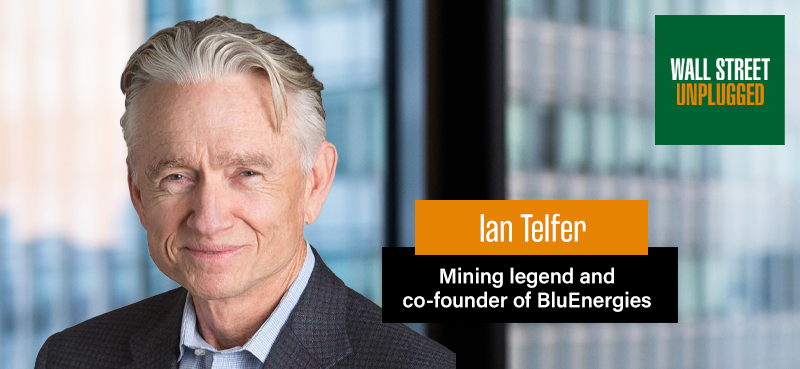
I’m not betting on this with my own money. Like, I own DGXX, I own Vivo, I own Blue. Blue just raised, I think they were supposed to raise $8 million. They raised $20 million in an offering. I think 85% came from insiders. Ian Telfer, you know, founder of GoCorp, invested in it. Doug Casey invested in it. Guys who the founders of Hayward Securities invested in it, the CEO invested in it, I invested in it. For the insiders to really increase that offering so much, and this is Blue Energies, which is another company that, you know, again, I have a personal stake in. For them to come in and increase, there’s something big under the hood there. It’s that simple. There’s something massive at the Harper Basin, which they have West Africa and drilling and stuff like that. But, you know, these are the companies I’m personally investing in. So, when I say, oh, you know, what do you think it’s going to go higher or lower, you know, when they report tomorrow? That’s a coin flip. I’m not betting on that.
Frank Curzio 47:05
I’m not betting on option markets. You could do it if you want, but, you know, I just like to have fun with it. So, you know, you don’t have to follow my advice. Probably do the opposite. I used to say that about the SUBO, but I think I’m three and I own the last three SUBOs. So, that doesn’t work anymore either. So, yeah, anyway, but, yeah, just going into the stocks that we talk about, those are the stocks I’m invested in personally, my own money. But I’m not invested in, you know, right now in ServiceNow and what they’re going to do, but you might be able to, it might be better off to do the opposite. But that’s the worst thing to do.
Daniel Creech 47:31
Yeah, I’m just talking to the funded generates here, including me. I mean, we’re not.
Frank Curzio 47:34
Oh, don’t worry. I’m in generate and gamble on stuff like that as well, and gamble on horses and stuff. Don’t worry about it. I mean, you just can’t believe you can do stuff.
Daniel Creech 47:40
The takeaway for me quickly on Bill McDermott is even the last report in April when the stock gapped down, they have not reported a bad quarter, in my opinion, in several quarters. They’re growing revenues well. They’re growing earnings per share. They have decent margins. The big question is, and this is the ultimate coin flip, Frank, is how is the street going to interpret that? Because the street is still saying, hey, AI’s taken your job, and if they don’t take your job, it’s going to hurt your margins. They got to re-rate, and they got to re-rate. Well, I don’t know the answer to this, but the stock can only remain lackluster for so long if they keep growing at 20% and keep growing at 20% and building efficiencies and keep their margins. Yeah, if they come down and bomb the quarter, I don’t see how they bomb the quarter here. However, it’s all about the interpretation of the market, and that’s still the big overhang in the risk here.
Frank Curzio 48:28
Okay, so these P, so what you’re doing right, it’s not like these companies are going out of business, but they re-rate. When they were trading 30, 35 times for earnings, now they’re trading more at a market multiple because they’re going to be growing as fast as that. That growth is slowing. Yeah, you say, well, they’re growing 20%, that’s good, but they were growing 30, they were modeling a year ago, two years ago, to go 30% plus, and now it’s 20% plus, and that percentage is slowing, so they’re re-rating the PE re-rates, right? So, you don’t have the huge growth multiple. I will say this though, if you’re thinking about buying software companies who have not yet got it right with AI, the Salesforce, the Adobe, and a lot of these other names, and obviously, Pega Systems just reported, I’m going to ask you a question. So, if you’re looking at models, right, like why, how come there’s a big sell-off? What happened? What sparked this huge sell-off with software companies? What model came out, remember? Anybody, hands?
Frank Curzio 49:14
What model came out? It was Claude. Okay, so Claude came out, and that disrupted everything. And what does Claude do? It allows you to basically write software programs without having the need to write code. All right, think about that for a minute, right? And they’re awesome. We use them. Amazing. OpenAI, Gemini, which is Google, which they might make the announcement today, and even Meta, they’re launching, their new AI models are being launched to compete with Claude, which means there’s going to be even further pressure on these software companies because they’re going to be competing with each other, and you’re going to have things that are going to try to get better than Claude. And different services, which is going to be good, it’s going to be cheaper for everyone to use, but now you have something that you disrupted. I mean, what is this? Probably, if I had to guess, I don’t even know, 400, 500 billion dollar software industry, if we don’t include Microsoft and some of the big guys in there, but you could say it’s a trillion dollar industry.
Frank Curzio 50:07
And how much money has flown out of that with just Claude? You’re going to have other models coming out with similar features that Claude does, and trying to improve that, and Claude’s going to improve theirs as well, to the point where anyone’s going to be able to create anyway, their own CRM systems is going to get cheaper. So, the competition is going to increase dramatically from here, right? So, these software companies are at edge right now. If you haven’t figured it out now, good luck. Good luck, man, because I’ll tell you, it’s really, really scary. It’s going to be really scary for you. So, you know, with ServiceNow reporting, I think they’re going to be okay. You have companies like Atlassian, it’s going to be okay. Morgan Stanley said they’re worried about Intuit. Also, they said they’re worried about Palantir. Twilio is another one that they like. So, you know, these are some of the names that they do have here that they do like, which is, you know, several of them, but not all these companies are going to go up or go down.
Frank Curzio 50:54
You’re going to see different winners and losers. If you don’t get AI right, man, there’s a lot of more risk for these stocks and go a lot lower, so just be careful.
Daniel Creech 51:03
Yes, sir. Yeah, it’ll be an interesting earnings season.
Frank Curzio 51:06
Yeah, so there’s a couple more things I just want to go over. It’s just some stories I’m seeing. So, China came out and said, it’s one of their biggest efforts to try to get more money back into the stock market, to steady the stock market with regulators. They have state-backed investors, insurers, asset managers. They’re all moving up, basically, to increase this confidence and putting more money, you know, because just the massive sell-off you’re seeing in China right now is insane. You’re seeing just all figures, spending figures, a lot of stuff is coming down. I’m going to say this, the last time China government went this crazy to try to shore up their markets was in, I think the beginning of 2024, and by September 2024, that’s when you had David Tepper come in and say, you know what, I’m buying China. 37% of his portfolio had China exposure. I didn’t agree with that at the time. He did well, and then eventually sold off afterwards. I think he got out before the sell-off. I wonder if that’s going to spark more interest in Alibaba’s and some of these other names, Yelp’s and whatever, because when you have a government, we see it here.
Frank Curzio 52:08
When you have government initiatives to spend a lot of money to shore up the markets and put these, you know, fail-safes in place, I am looking at China right now. I’m not telling you to buy China. I’m just saying that last time this happened, we saw a massive spike in China-related stocks, and now they’re doubling down on this because things are so bad there. And when they double down, they put these, you know, it’s almost like we did during the credit crisis and said, okay, we’re going to shore up the banks, some of the banks go bankrupt, then we’re going to put $10 billion into all of them. Okay, the banks are no longer going bankrupt. You better cover your shorts, or you’re dead, right? Because these things are going to go up, and now look at the banks and the biggest they’ve ever been, more too big to fail than they’ve ever been. But there was a point where the government said, nope, they’re not going out of business. This is the point where China’s saying, listen, we’re done with this sell-off. This is what we have to do. More government money into there, just something to think about. I’m not telling you to buy China, but that’s where my research is going.
Frank Curzio 52:54
I’m starting to look at it, because the last time this happened, you know, Tepper was one of the greatest investors, someone I respect very, very much. He put almost 40% of his portfolio in China exposure, made a lot of money. I don’t think he cashed out at the top as this thing started coming back down again, but it’s interesting to see. That was one of the things I saw. I don’t know what else that, you know, you’re looking at. Can you put up SpaceX up there for me?
Daniel Creech 53:12
Quickly on China, for me, I came across this, and this shocked me because it was talking about, this is from misis.org, and talking about China companies advancing in electric vehicles, batteries, robotics, chipmaking. The MSCI China Index sits at about half of its 2020 valuation, 12 times forward earnings. That is a heck of a bar bet. You’d be buying rounds till your, you know what, stumbling. That’s impressive.
Frank Curzio 53:41
That means Faber on too. He’s an emerging market guy. Just, he’s always like, you know.
Daniel Creech 53:45
Yeah, but everybody is an emerging market guy. The timing is difficult. I like your point about Tepper’s comments. If Chinese government officials, those commie bastards, Frank, I love them, if they are dedicated to boosting their stock market, they will. That’s as easy as that gets.
Frank Curzio 54:00
Yeah.
Daniel Creech 54:00
Now, can you trust them? Good luck. But you can trade it. And that is, you know, I love this article. I love the misis. They’re very, I just lost my train of thought on thinking with monetary policy and stuff. Anyway, I have to laugh here because they describe China as an empire that doesn’t have to, is not drowning in debt. They don’t have to, they don’t have endless political cage matches, and they’re not stretching thin to prop themselves up.
Frank Curzio 54:32
Yeah, they just have a government that takes pieces of every board.
Daniel Creech 54:36
Boy, these are great people over there.
Frank Curzio 54:37
Yeah, I know. Wow, that’s a great place.
Daniel Creech 54:39
My takeaway is, yes, they’ve done it in the past. They’ll do it again. The big timing issue, or the big question about timing is, if the government is going to take steps to either artificially or legitimately boost their stocks, yeah, trade it. I mean, absolutely. They’ve done it. They’ll do it again. We do the same thing. That’s part of this horrible environment we’re stuck in, people.
Frank Curzio 55:00
No, it’s really good to say that, just to trade it and, you know, you’re better off, you know, trading. It’s not long-term or whatever, but when you have that kind of money going in, it could be really, really big for them. So, SpaceX, you have up on the screen right now. I heard a stat. I don’t want to, I don’t know if I can confirm it, but I heard somebody mention this. I think it was on CNBC. And the insider’s average price, you know what the insider’s average price of the stock is?
Daniel Creech 55:25
No.
Frank Curzio 55:25
- I’m sure that’s Elon Musk. Yeah, I mean, maybe if you take out Elon Musk, who’s got, you know, founder shares and stuff like that, but still investing in every single round. I think it was 32 rounds of investing over the past 10, 12 years or so, 15 years. This company’s been around for a while before going public. But, you know, they raised the valuation so freaking high, and it’s just a good example of how, you know, the retail investors get effed. And this is a good example of it. Like, you know, you’re just coming out of this crazy valuations. Think about that if you want to buy Anthropic when it comes out and OpenAI. 90% of that growth already took place. You want to buy those names? Buy those names at trillion dollar valuations. I’d rather buy the DGXS at $200 million valuations. That could be 3, 4, 5 billion dollar companies. That’s where you make a lot of money. But buying these names, and I have friends ask me, should I be buying? Hold it for 10 years? This is, you know, this is a story.
Frank Curzio 56:11
Every dollar they spend, they lose money on right now. Right now. I know the future looks amazing. This is great. I know they have a lot of cash on hand and stuff, but this is another name where you’re seeing the CDS spreads go up tremendously because they’re going to need to fund the company a lot more debt to build, what, you know, colonies on Mars and data centers in space. That costs a lot of money. So, which is going to be pretty crazy. But, you know, this is down to 120. You know, this came out, when did it come out at where people could buy? Was it 160 it came out at? Where people could officially buy it, I think? I think it was 160.
Daniel Creech 56:41
I don’t know where they opened.
Frank Curzio 56:42
I think it actually came out. I mean, it said it opened there, but I thought it opened a lot higher than that. So, when did it actually open? And then it went to 200, right? So, yeah, and now you’re saying, you know, every single person who invested in this after the IPO is down. They’re losing money. Some people have gotten killed because you know that you got a guy that you’re going to meet. You’re going to like, he’s going to be like, raise your hand if you bought at 200. Me, I’m that guy. I top ticked it. Sorry, buddy. Make you famous. Go on Twitter and you get a lot of followers for saying that. But, you know, money-wise, you got annihilated. A lot of these people get annihilated right here. So, even now, I don’t know what the catalyst is to buy this. If, you know, long-term, I see it, but, you know, what’s the short-term catalyst? Could it pop? I don’t know, but this is a name that’s gotten crushed. So.
Daniel Creech 57:23
These guys report, I think, August 4th, and the first lockup, if I’m correct, is like August 6th. That’s right around there.
Frank Curzio 57:30
Yeah.
Daniel Creech 57:30
And so.
Frank Curzio 57:31
And the lockup, think about it. Insiders are locked up on average of 40.
Daniel Creech 57:34
Yeah.
Frank Curzio 57:34
What are you going to do? I mean, if I’m in that, I’m selling. I personally, if I’m in it and my average cost is 40, I’m selling as soon as I’m able to. That 11% of the float comes out. 11% more.
Daniel Creech 57:45
So, if you want to buy it long-term, I would at least think about your patience until that. Just see how the stock reacts. Who knows what it’s going to do? But, I mean, you know.
Frank Curzio 57:54
The amount of money that poured into this name, Daniel, just from the index funds is incredible, right? And that the index funds, every single bank being a part of this deal, getting all the customers in it, the retail value, a lot of those guys have been in the form, like the Goldmans and the Morgan Stanleys and everybody. They’ve been in rounds where a lot of their investors in early rounds, but yet they sold this deal, and now they come out with these buy ratings and across the board, and, you know, 25 analysts reports at the same time, buy, buy, buy, buy, buy. You know, this is what you get. But it’s just sad because, you know, at the end of the day, it’s a retail investor that gets annihilated, and the SEC just sits there and says, oh my God, you know, we shouldn’t pass the Clarity Act, and crypto’s bad, and, you know, it’s just, where are you? Where are you? Where are you? What’s the point of your fucking organization? What is your point if you’re not protecting retail investors?
Frank Curzio 58:40
What’s the point of you being around? Like, I don’t think.
Daniel Creech 58:43
Frank, you know that’s not the point. That’s what they say. Silly.
Frank Curzio 58:45
Anyway, I don’t want to go on another rant.
Daniel Creech 58:47
Hey, I’ll tell you what the catalyst for SpaceX is. Somehow, we are convinced that AI is going to be the terminator of Earth, and yet spare Mars and the Moon and all that. That’s what I’m impressed with.
Frank Curzio 58:57
Well, the big catalyst.
Daniel Creech 58:58
And really, AI in bigger than Earth, if it can’t travel through space, Frank.
Frank Curzio 59:02
I forgot if it was Morgan Stanley, but they said, you know, big catalyst, buy before the next rocket goes, whatever, and then they delayed it. And it was like three days before, and they’re like, you should buy. This is going to be a big catalyst for SpaceX. And I think they delayed. I know what’s coming out. So, but anyway, we talked about a lot of stocks. I want you to take through the process. Hopefully, we didn’t bore you. You should be getting, you know, getting really in-depth about AI, electricity, and stuff. But that’s how you find out who the beneficiaries are, who the losers are, and that’s where you want to invest, because there is a massive amount of money going into. We just wanted to take it through the process, which I don’t see a lot of people doing. So, on that note, and the last note here, if you’re a Curzio One member, which is tailored to credit investors, again, to private placements, we have one that’s going to be released on Tuesday, and another one that I just talked about earlier about cows and AI. And this is a massive money-generating thing, and I’m digging in later on, but this might come out in three, four weeks.
Frank Curzio 59:51
But this week, we’re coming out, and we already raised money for this company called Sugarfina. And Sugarfina has been absolutely on fire. We invested in this company at 80 million valuation. Now it’s being valued at close to double that. They were going to go public and said, you know what, we’re going to do one more funding round, and because we want to have a couple of more acquisitions. And they came to me three years ago, and Paul Kessler is one of the best investors out there. He’s, you know, helped build and finance over 400 companies. He’s made a fortune. He’s incredible, incredibly wealthy. He told me about the private equity market, how it’s seized up, and they’re going to create a company in this industry that’s going to be able to buy, you know, other companies that are sitting on the balance sheets of these private equity, you know, balance sheets that they’re not funding anymore. It’s frozen, $6 trillion. So, that’s just frozen. And these companies will promise, oh, we’re going to get funding.
Frank Curzio 01:00:44
We’re going to grow you. They’re not getting funding. They can’t do anything. They can’t sell them because they mark to market them. So, you know, what they’re doing is they’re trying to do these private deals and get them out of there, and they’re able to buy these companies for 10 cents on a dollar. And they just made three big acquisitions over the past year that every dollar they spent, I think they’re making $4 off of it. And it’s an incredibly run company. The margins are higher. They’re profitable. So, they’re doing another capital raise, and we’re going to go in. And this capital raise on the terms of this deal, maybe the best terms since I’ve had Curzio One. And this is a 6% dividend you’re going to get in stock, five-year warrants that are exercisable at the same price that it goes public at. So, you know, at the same price that you’re coming in for, but when it goes public, you get to immediately sell when they go public. Paul Kessler has over $20 million investment in this. He bought it in 2019 just before the pandemic and almost lost his money and built this thing up tremendously.
Frank Curzio 01:01:31
I went to go see their factory and everything. I’ve been part of this company for a while. They presented at our conference. You see their candy everywhere. It’s unbelievable. It’s remarkable. It’s high-end luxury candy. I just went to Boca Raton and saw it there at our hotel. I didn’t even know that we had our conference for Curzio One members at Pier 66. They have a big place there. They’re selling their candy there, Sugarfina. They have deals. They just signed a deal with United. They’re in Nordstrom. Like, you know, 20 of the biggest major luxury brands at every place. Just everything’s increasing for them, and they’re doing really well. And I’m excited about this because, you know, you’re getting 6% dividend, get 5%, five-year warrants. Scott Laporter is one of the best roll-up people on the planet. He’s done that with casinos in the past, with Caesars and Hilton Hotel. He turned a $500 million business into a $5 billion business by doing roll-ups and selling off casinos off of that.
Frank Curzio 01:02:20
He’s just really, really incredible. And they always do it at the right time when the markets are bad and they get stuff for cheap. That’s what they’ve done. And they have a list of companies they want to purchase that they’re able to pick and choose and say no because they’re in the perfect position where they have money. They want to raise a little bit more money to build this up and come out at a much higher valuation. And they’re saying that valuation is going to be a year from now or probably nine months from now. And the reason why you should take that very seriously is because they already picked out a symbol when they go public. So, you don’t do that unless you’re going public. And it’s not often you get to invest in a private company where your payback period, the liquidity period is what? Usually on average seven years. For this liquidity period, you’re looking at, yeah, and what is the liquidity period? It’s usually when your company gets acquired or you IPO. That’s when investors make money. It’s not often you can invest in a private company and you’re going to be, you’re going to have a liquidity period in less than 12 months.
Frank Curzio 01:03:10
So, I think we’re going to do very well with this deal. It is open right now for One members. If you want to find out more information on the One membership, email me personally, frank@curzioresearch.com. I talk to all of my members. These are the members that all showed up to my conference. Everybody checks their ego at the door. There’s a couple of lots of whales and stuff. The good people from all kinds of industries. I mean, there’s two, Joe, you say one of the guys in there, I don’t want to mention his name, is the farmer guy who owns, you know, what does he own? He owns like, like massive, right? It’s just, it’s amazing. And I’m going to reach out to him just to kind of have someone else, my data center contacts who actually build data centers for hyperscalers are there. They were answering questions that some of my other subscribers were asking that were in their One members. So, this whole network of membership coming from different industries, very successful people that all help each other to find new ideas. And it’s leading to so many ideas like this other one I’m going to invest in too.
Frank Curzio 01:03:59
I’m probably going to look at it first, make sure the terms of the deal are good, which is the AI technology around dairy farms. But I’m going to talk to him about that and see what he knows about it. So, if you’re interested in One membership, I talk to everyone before they come in. It’s $5,000 for the year, and then you get access to all of my deals I invest in personally. I don’t get paid by these companies. And you could choose and invest. You could invest in this one. You might invest in the next one. There’s no pressure. I give you the details. I tell you how much I’m investing in these deals, and I say, hey, this is what I’m doing. I invested, you know, again, I’m a big investor in Sugarfina. I love this name. I’m going to come in for this offering as well because it’s just the terms of this deal are very, very good for us. And I know that that payback period, that liquidity period is coming in a year. So, if you’re interested, if you’re a credit investor, reach out to me, frank@curzioresearch.com. At One members, I already interviewed Scott Laporter, who’s the CEO, and also Paul Kessler, and that’s coming out on Tuesday, and it was really, really good.
Frank Curzio 01:04:50
It’s a good interview. We go over all the details of what they’re doing, how they’re growing a company, the different plans, how they go in public, and it was really, really exciting. So, you’re going to get that on Tuesday and be able to invest in this private placement, which is probably going to go public in less than a year, which is really exciting. So, long podcast today. We went a little over schedule, which is cool, but I love it because we’re providing you guys with more ideas. If you have any questions or comments, feel free to send me an email, frank@curzioresearch.com. Daniel, your email?
Daniel Creech 01:05:16
Daniel@curzioresearch.com.
Frank Curzio 01:05:18
Or even better, we have a podcast. I usually say, hey guys, we’ll see you Thursday. You know, we have a Thursday free. Now, Wall Street Unplugged is on Wednesday and Thursday, and Thursday is going to be more of a Q&A. You can go to askcurzio.com, put in your question, and we’ll try to get to all these questions. But we know that the Q&A format does very, very well. You can see it up there on the screen. We have your first name, last name. We want to make sure you’re serious, right? We just don’t want some bum coming in and putting out, you know, Joe, whatever, and, you know, and just we want real questions here. We want real people who follow us. You know, again, we won’t get out too much details about the companies we have in the portfolio unless they’re up a lot. But that’s where a format really does well. We do Q&As, especially on our live broadcast, which we’re going to come up with some live podcasts coming up soon. But that’s tomorrow. So, every Wednesday and Thursday, you get to listen to us. And Daniel is going to take that episode all by himself tomorrow and promise to give you guaranteed at least five winning stocks that are going to go up 100% each over the next five days.
Daniel Creech 01:06:11
Perfect.
Frank Curzio 01:06:12
Good job, Daniel. That’s such a great promise. I was saying, I’m just kidding. But guys, tomorrow’s podcast on Thursday. Can’t wait. Daniel, we’ll definitely see you then. Take care.
Announcer 01:06:17
Wall Street Unplugged is produced by Curzio Research, one of the most respected financial media companies in the industry. The information presented on Wall Street Unplugged is the opinion of its host and guests. You should not base your investment decisions solely on this broadcast. Remember, it’s your money, and your responsibility.
Curzio Research publishes market commentary for informational and educational purposes. The opinions expressed and market conditions when the content is published may change. It is not personalized investment advice or an offer to buy or sell securities. Investing involves risk, including possible loss of principal. Do your own research and consult a qualified investment professional before making investment decisions.