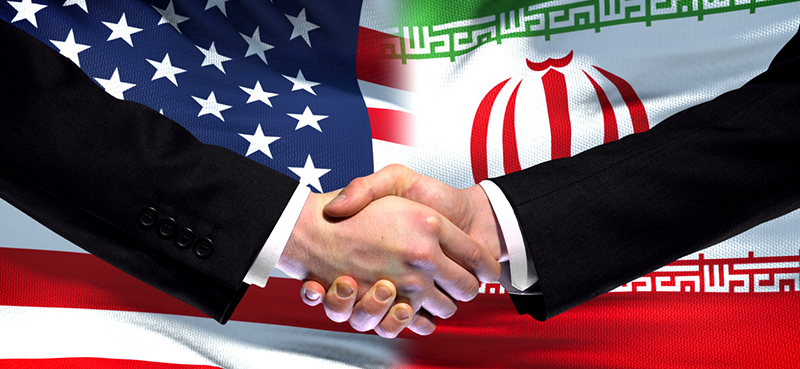
Did the Iran deal just put rate cuts back on the table?
A U.S.-Iran peace deal announced June 15 sent Treasury yields sliding and crude oil tumbling. Suddenly, the Fed's rate path looks very different. Here's why the deal matters beyond oil prices.
Ranked #1 podcast on iTunes financial/business.
Frank cuts through the mainstream noise to reveal what’s really moving these markets.
A U.S.-Iran peace deal announced June 15 sent Treasury yields sliding and crude oil tumbling. Suddenly, the Fed's rate path looks very different. Here's why the deal matters beyond oil prices.

Trump just threatened to seize Kharg Island and other Iranian oil infrastructure. Kharg handles roughly 90% of Iran's crude oil exports. Here's what this escalation actually means for your portfolio.

Iran launched attacks on U.S. military bases in Bahrain, Kuwait, and Jordan—retaliation for American strikes near the Strait of Hormuz. As the escalation keeps climbing, here's what the numbers actually tell you about the risk ahead.
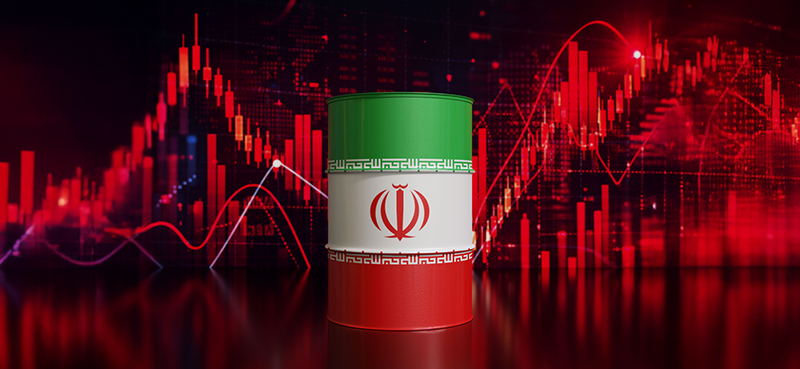
Iran reportedly suspended indirect talks with the U.S. and is threatening to completely block the Strait of Hormuz. That matters because roughly 20% of the world's oil flows through this narrow chokepoint. Here's what it means for oil prices, energy…
The U.S. is tightening sanctions on Iran's oil network. But Iranian barrels are still moving through China and a shadow fleet of tankers, shell companies, and middlemen. Here's why that fragile workaround system matters for crude prices—and energy stocks.
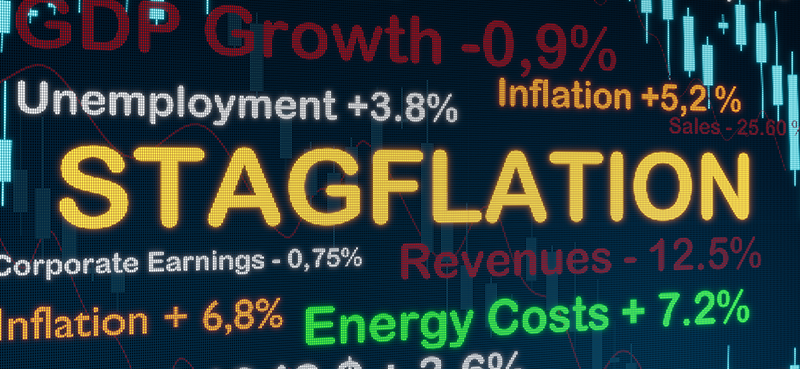
The latest economic data has revived fears of stagflation—a painful mix of weak growth and stubborn inflation. But today's economy isn't the 1970s. Here's what the numbers actually say… and what investors should watch next.
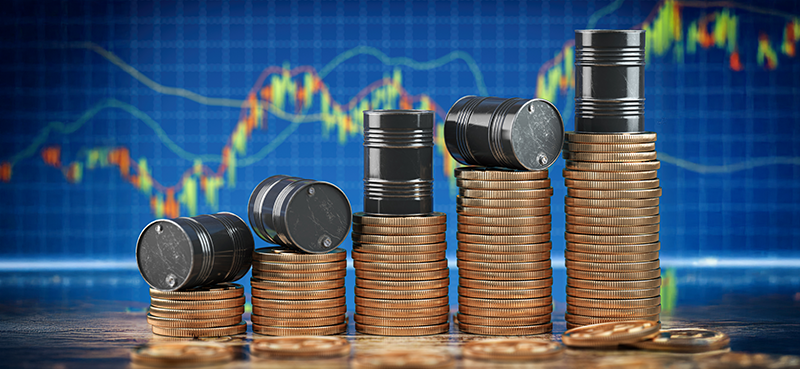
Oil’s sustained price is a major indicator that few are watching. If crude stays elevated, it could keep inflation sticky, limit the Fed’s flexibility, squeeze corporate margins, and shift market leadership. Here’s how to position your portfolio.

War-risk insurance premiums on Strait of Hormuz transits have surged from pre-war levels, and shipping traffic has collapsed by roughly 95%. Here's how insurers are controlling oil transit… and what it means for your portfolio.

The Trump administration plans to drop $2 billion on nine quantum computing companies in exchange for equity stakes. IBM (IBM) gets the biggest slice, but the pure-play names are seeing the real upside. Here's what this signal means for investors.

The market has spent months celebrating the death of inflation. It was premature. The CPI is accelerating fast… And if the current trend holds, inflation could exceed 5% by November. Here's what that means for your portfolio right now.
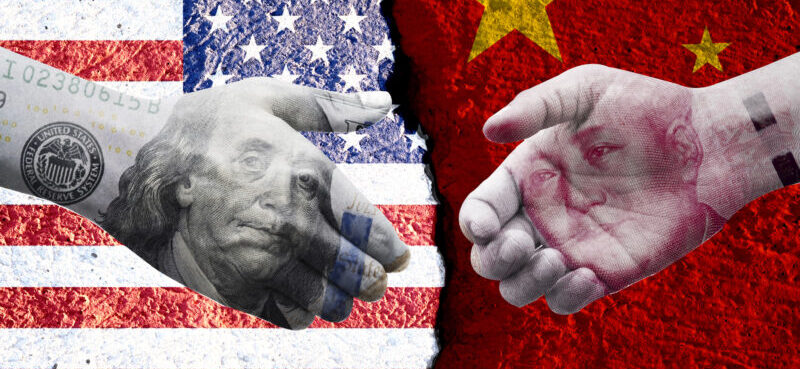
President Trump's Beijing summit with President Xi produced few clear-cut answers on important geopolitical topics. But beneath Trump's ambiguous comments are five important signals investors should watch.

The market thought AI spending had peaked. Big Tech earnings just proved otherwise. With CapEx accelerating and demand surging, the opportunity is expanding. Here's what the numbers reveal—and where investors should be looking next.

Total addressable market (TAM) is the key to finding the market's next big winners. Here's why TAM matters more than traditional metrics—and how investors can spot companies with massive growth potential before the crowd catches on.
Yet one of the biggest investing problems hasn’t changed: By the time a great investment looks obvious, the largest gains may already be over.
In this free guide, we reveal the biggest edge you can have as an investor. Plus, give you six principles for finding great stocks early.
No, thanks

