
Oil markets were already pricing a war-risk premium.
Then President Trump put a name on the next escalation point: Kharg Island.
Trump posted on Truth Social Thursday that U.S. forces will seize Kharg Island and other Iranian oil infrastructure “at some point in the not too distant future”—and that the U.S. will “assume total control of their Oil and Gas Markets,” the same way it moved on Venezuela.
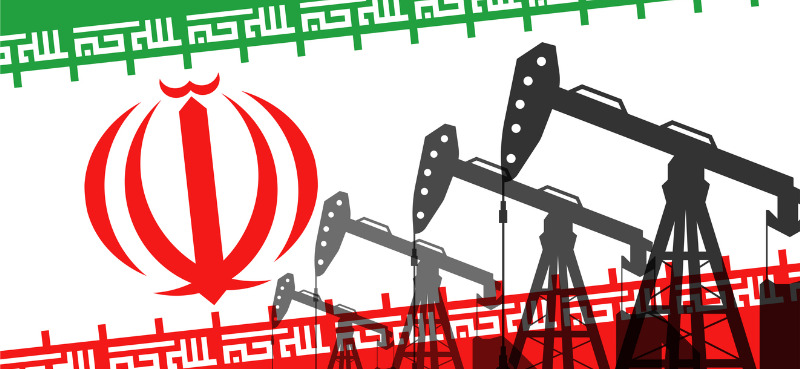
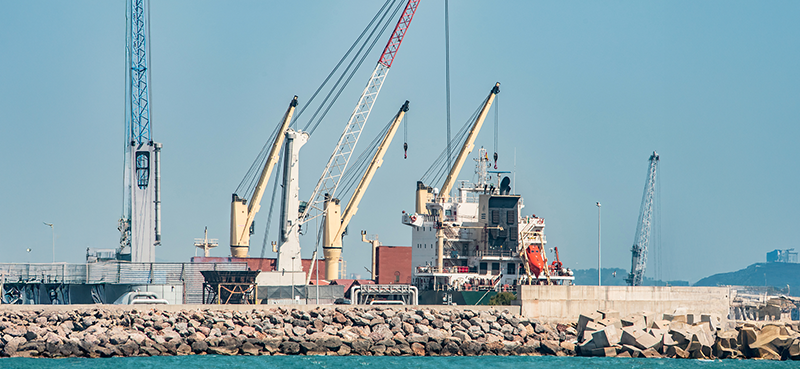
That matters because Kharg is Iran’s economic aorta. Kharg Island handles roughly 90% of Iran’s crude oil exports. Nearly every barrel that keeps Tehran’s regime funded flows through that single terminal. Without it, Iran’s oil sector effectively comes to a halt.
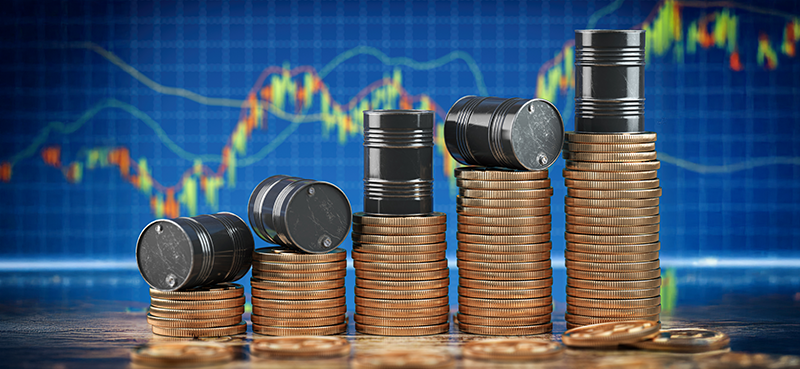
Crude prices jumped back above $90 a barrel within hours.
Until now, the blockage at the Strait of Hormuz has been the central threat to global energy markets.
Trump’s Kharg announcement escalates the confrontation to a new level. Hormuz is the chokepoint… But Kharg is the source.
And the oil industry knows exactly what that math adds up to. Exxon Mobil’s (XOM) senior vice president Neil Chapman told an investor conference that dated Brent crude—the benchmark price for physical oil delivery—could hit $150–$160 per barrel in a severe disruption scenario.
We’re at $90 right now. That’s not a guarantee, but it tells you where the people who run the world’s largest oil company think the ceiling is if this continues to escalate.
What does “assuming control” actually mean?
Trump compared this move to what the U.S. did in Venezuela—a reference to the sanctions and asset controls Washington imposed on Venezuela’s state oil company.
It’s worth noting that Kharg differs from Venezuela in almost every practical respect: geography, military risk, regime structure, and the possibility of a direct supply shock.
Whether U.S. forces can actually seize and hold an offshore oil terminal in the Persian Gulf is a military and logistical question above the pay grade of this newsletter.
But the market doesn’t wait for logistics. It prices scenarios.
And right now, the scenario being priced in is one where a significant portion of global oil supply is either offline, in dispute, or controlled by a party that may choose to restrict its flow.
That’s the inflationary signal. Higher oil feeds into the cost of almost everything else, from manufacturing to shipping to groceries. So a sustained move toward $150 would push prices broadly higher across the economy.
The plays worth watching
When oil prices spike amid supply fears, the companies that produce oil domestically—already pumping and profitable—are the direct beneficiaries. Their margins expand when crude moves higher, and they’re not exposed to Middle East logistics.
But the bigger, less-discussed angle here is energy infrastructure. Buyers are looking harder for non-Middle East supply, and the market is placing a higher premium on secure, politically stable energy infrastructure.
That puts a higher premium on U.S. Gulf Coast export capacity, LNG terminals, and the pipelines that move North American energy to market.
Bottom line
The conventional read on the Iran conflict has been that it’s a regional flare-up with limited spillover. Targeting Kharg Island—the single terminal that moves nine out of every 10 barrels Iran exports—is a different order of magnitude.
The IEA is already calling for supply to fall short of demand this year, Exxon’s senior leadership is warning of $150-plus oil, and crude just crossed $90 on a single Truth Social post.
The market is pricing in the threat. It’s not pricing in the full consequence of Kharg actually going offline. That gap is where the opportunity—and the risk—lives right now.
For more deep-dive analysis into what’s moving the markets—and how to position your portfolio—join Wall Street Unplugged Premium today.
Curzio Research publishes market commentary for informational and educational purposes. The opinions expressed and market conditions when the content is published may change. It is not personalized investment advice or an offer to buy or sell securities. Investing involves risk, including possible loss of principal. Do your own research and consult a qualified investment professional before making investment decisions.