
For the past year, the market has been convinced that the Fed will cut rates at least once in 2026. And stock valuations have skyrocketed as a result.
But now, that narrative is starting to break down…
And if investors are wrong about rate cuts, the downside could be significant.
Let’s look at why rate cuts are looking less and less likely… what it means for the market… and how investors should adjust accordingly.
The data says inflation isn’t under control
Let’s start with the latest inflation data.
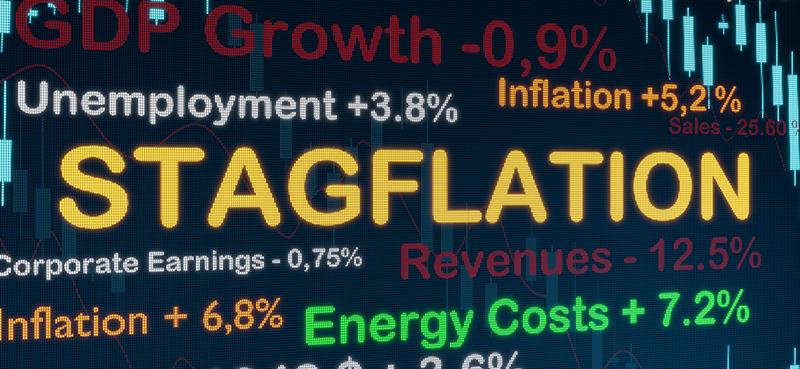
The Producer Price Index (PPI) came in at 0.7%—more than double the expected 0.3%. On a year-over-year basis, PPI is now running around 3.4%, well above the Fed’s 2% target.
And it’s not just energy or one-off items driving this increase. A large portion came from services, including categories such as travel and financial services.
That matters because service inflation is sticky… which means the Fed can’t ignore it.
And geopolitics are complicating the situation further.
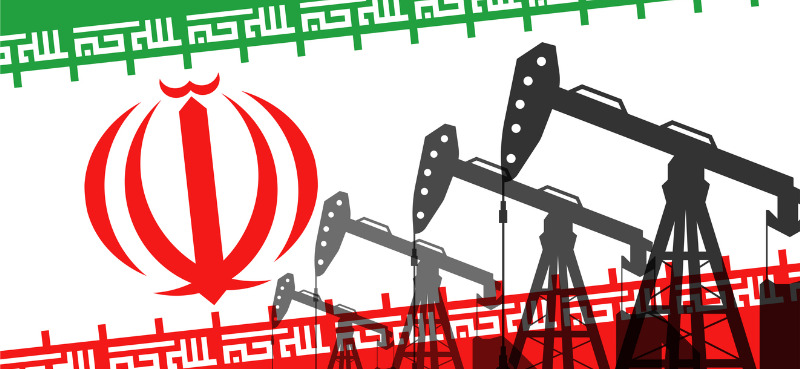
The Iran war is making the Fed’s job harder
Over the past week, the conflict in the Middle East escalated dramatically—with direct attacks on energy infrastructure across the region.
One of the biggest developments: Iran struck Qatar’s Ras Laffan industrial complex, a critical global energy hub.
The attack caused massive damage to key infrastructure and took about 17% of Qatar’s LNG export capacity offline. Reports say repairs could take 3–5 years.
This is a structural hit to global energy supply, and the impact is already showing up: Natural gas prices are surging… LNG shipments are being disrupted… And countries across Europe and Asia are scrambling for supply.
At the same time, oil is pushing toward $100+, shipping through the Strait of Hormuz remains uncertain, and other facilities across the Gulf have been targeted or shut down.
This is exactly the kind of environment that keeps inflation elevated. Energy is a key price driver across the economy, and we’re talking about a multi-year supply shock.
That puts the Fed in a tough spot. Historically, the Fed has “looked through” oil shocks. But with inflation already elevated, that becomes much harder to do. Even if it wants to cut rates, it may not be able to.
Now, let’s talk about what the Fed is actually saying.
The Fed isn’t signaling cuts—it’s signaling patience
At the latest meeting, the Fed held rates steady, repeated its commitment to a 2% inflation target, and emphasized uncertainty around inflation and external shocks.
And during his post-meeting Q&A, Fed Chair Jerome Powell made it clear that the Fed is not reacting to short-term market expectations… And policy decisions will depend on sustained progress on inflation.
In simple terms, the Fed is in no rush to cut.
The market is starting to adjust, but hasn’t fully caught up
You can see this shift showing up in rate expectations.
Just a few months ago, markets were pricing in multiple rate cuts starting mid-year.
Now, the probability of a June cut has dropped sharply… some forecasts have pushed out odds of cuts into late 2026… and there’s a growing discussion that we may not see any cuts this year.
There’s now less than a 50% chance of a rate cut by September based on futures pricing.
That’s a massive shift. And equity markets haven’t fully repriced for that reality.
What investors should do now
Instead of trying to predict exactly what the Fed will do next, focus on what you can control.
1) Be more selective with position sizing
This is not the environment to go “all in.” Even great stocks can drop 10–20% on macro headlines.
Keep position sizes manageable so you can stay in the trade and take advantage of pullbacks.
2) Respect your stop losses
This is where discipline matters most.
When macro risk is elevated, sentiment shifts quickly and trends break faster.
Having a plan before you enter a position—and sticking to it—becomes critical to protect yourself against downside risk.
3) Focus on companies with real earnings power
If rates stay higher for longer, the market will start to punish companies that depend on lower rates… and reward those that can grow without them.
That means prioritizing businesses with:
- strong cash flow
- pricing power
- exposure to long-term growth trends (like AI infrastructure, energy, etc.)
Because in a tougher environment, you can’t rely on narratives; earnings are what drive performance.
4) Keep some powder dry
This is the part most investors struggle with. But it matters.
When uncertainty is high, you don’t have to be fully invested or chase every move.
Sometimes the best decision is to wait for better entry points, and you want to be able to move quickly when that happens.
The bottom line
Right now, the market still expects at least one rate cut this year. But the risks—and the data—are moving in a different direction.
That doesn’t mean you should panic, but it does mean you should adjust.
Stay disciplined and selective. Because the biggest risk isn’t inflation itself… It’s being positioned for rate cuts that may not come.
For more deep insight into what’s moving these markets—and how to position your portfolio—join Wall Street Unplugged Premium.
Curzio Research publishes market commentary for informational and educational purposes. The opinions expressed and market conditions when the content is published may change. It is not personalized investment advice or an offer to buy or sell securities. Investing involves risk, including possible loss of principal. Do your own research and consult a qualified investment professional before making investment decisions.