- Early injuries are shaking up the NFL [0:26]
- Breaking down the crazy market: Surging indices, crashing stocks [6:47]
- What the strong PMI data means for inflation [14:27]
- Why does Trump want to ban diesel exports? [22:29]
- BofA’s year-end targets: How much should you invest in the market? [26:48]
- AI fear mongers are full of s*** [30:28]
- Forget the politics: Power’s supply/demand story is stronger than ever [41:51]
- McDonald’s CEO shows what not to do on Investor Day [46:44]
- Happy 16th to my youngest daughter and cheers to my late dad [50:00]
Wall Street Unplugged | 1394
Political headwinds can't derail the AI trade
Frank Curzio 00:00
How’s it going out there. It’s Wednesday, September 23.This is the Wall Street Unplugged podcast where I break down the headlines and tell you what’s really moving these markets. Mr. Daniel Creech. How’s it going, man?
Daniel Creech 00:16
Going well, sir. Happy Wednesday.
Frank Curzio 00:18
Happy Wednesday. Not a ton going on, other than Trump being everywhere.
Daniel Creech 00:23
Presidents Cup, George Bush.
Frank Curzio 00:25
Yeah, there you go. And Giants. Joe, sorry, man. Giants is going to be pretty good this year. Jackson Dart, I believe, is out for the year. Did they make that official yet? I don’t know if he’s out for the year or not, but they said that. It was going to be 4 or 5 weeks, but they’re reporting it might be worse than expected, and he could miss the season, which just destroys the Giants’ hopes. We’re off the bat. Caleb Williams got hurt out for a while. Saquon Barkley got hurt. And—
Daniel Creech 00:51
What’s the— let me interrupt. What’s the deal? Why is everybody making fun of Caleb Williams? Is he not hurt that bad? Or the memes? They’re funny. I hate to say that, but they’re ruthless. And I don’t cheer anybody getting hurt, that sucks. But—
Frank Curzio 01:01
Yeah.
Daniel Creech 01:03
They seem to be attacking him more than anybody else that got injured. I was just curious if there was an NFL story I didn’t know about that.
Frank Curzio 01:10
No, I don’t know. It’s just— yeah, I saw a little bit on social media, but it was just— it was a big deal for the Giants. They just showed how everyone, like, was surrounded. You know, it was like, holy cow. Because the Washington quarterback got hurt too. He was probably out for the year, which is—
Daniel Creech 01:24
I saw that poor guy’s elbow.
Frank Curzio 01:26
Yeah. I mean, man, I didn’t even think about that. Washington too. I mean, it’s pretty good for the Eagles in that division, which kind of sucks for everybody.
Daniel Creech 01:33
Both of them.
Frank Curzio 01:34
Sorry about that positive right there. But the Eagles are 2-0. The Rams back to normal. Cleveland beat the Buccaneers. I predicted they might not win a game, and they won already, so good for them. I didn’t know Buccaneers were that bad. Wow. Mahomes looks fantastic. I’ve always said, you know, if you— if I have one guy that— one quarterback that I need in the last drive, and you’re down by 4, I need a touchdown within 2 minutes. He’s the guy. Over Brady, over everything. I mean, he’s just incredible.
Daniel Creech 02:04
100.
Frank Curzio 02:04
You go under Brady, he’s got, you know, a much better resume, more— more super. I mean, what he could do is just— it’s just incredible.
Daniel Creech 02:10
Let me ask you a question, Frank. There’s a certain play that’s getting a lot of play: replays. Coltz guy catches the ball, jumps forward, clearly a first down. Evidently, they called it not a first down. You have to know what play I’m talking about. You don’t?
Frank Curzio 02:23
No, I didn’t see it.
Daniel Creech 02:24
Okay. I was just curious on when it happened during the game, because—
Frank Curzio 02:27
Oh, so they went overtime that and everyone’s like—
Daniel Creech 02:29
It is horrible how good players get ridiculous calls.
Frank Curzio 02:32
Yes. I heard in this PL conspiracy.
Daniel Creech 02:34
So if you pick Mahomes as your quarterback, you get 3 striped zebras coming along with you. That’s damn near unbeatable.
Frank Curzio 02:38
Listen, I saw that first hand when they played in Sioux Ball.
Daniel Creech 02:40
That was a horrible call.
Frank Curzio 02:41
When they played in Sioux Ball against the Eagles, that was the worst call I’ve ever seen.
Daniel Creech 02:44
Was that it? Is that where he jumps?
Frank Curzio 02:47
Oh, not that. He fumbled the ball, though. He moved forward and he fumbled it.
Daniel Creech 02:50
Yeah, it wasn’t that one.
Frank Curzio 02:51
Listen, that was an overtime. But it’s— yeah, it’s— I mean, I saw the first hand with the Eagles in Sioux Ball that they lost. I mean, you should have let that— they were up by, what was it? I think 3 or whatever it was in Sioux Ball, and they called a horrible, horrible penalty on Eagles. They didn’t call on either team. And I’m not even saying I’m an Eagle fan. Listen, I think they would have been up by 4. They might have kicked the field goal or whatever.
Daniel Creech 03:12
Hey, you can admit it. He gets all the— just like Brady.
Frank Curzio 03:14
Oh, if— it was such bullshit because it was one of the greatest Sioux Ball’s ever. Back and forth. He would have gave the ball back to Jalen Hurts to see if he could win that game. They were just down by 8. They got the touchdown, scored by 2, and then, you know, they basically handed the Chiefs the game. They handed the game to them. So basically, they could run out the clock and stuff on a bullshit call that even the wide receiver was walking off the field and didn’t even know that that happened. And yeah, it was a little bit of a grab, but they didn’t call that on both sides the whole entire game. You don’t call it the last play of the game. It’s just horrible. And the guy had absolutely no shot to catch it. You could see it still bothers me today. Even though the Eagles—
Daniel Creech 03:46
Really?
Frank Curzio 03:46
Won Sioux Ball a couple times, which is really cool. But sad for Jackson Dart that’s out. And yeah, just— I love the NFL. NFL is really freaking awesome, which is really cool. And then I went to the University of Florida game. Joe and I went a couple weeks ago, which is really cool. And now they’re playing Ole Miss, which is going to be insane. I’m actually going there Friday to the UF to talk to some of the leading doctors there about a company that is going public, that they want me to work with them. And I’m looking forward to that. So Friday, I’m taking a trip down. It’s 2 hours away to Gainesville to talk to some of the higher-ups on the health side and AI side, which is going to be exciting. And come back with some ideas as well. So yeah, that should be a lot of fun. But overall, that’s going on, along with Trump and the UN meeting, which, you know, is always interesting and lots of highlights. People love it. It’s just— what’s going to happen when Trump’s not president anymore? No one’s really going to pay attention, right?
Frank Curzio 04:37
I mean, it’s just— it’s not as fun because you have that Yankee effect where people either love you or hate you, but everyone’s watching all the time. He’s talking about Iran and the war. I mean, a lot of this is all positive, right? You know, not positive about stocks or anything, but I’m not sure telling Iran that they have decided the deal will be annihilated is going to motivate them. I don’t know if you’ve been paying attention, but also, the US now owns Greenland, I think.
Daniel Creech 05:03
Now they just made an ongoing deal.
Frank Curzio 05:05
And then the oil markets. He’s like, hey, yeah, Venezuela, look what we did. And we now control 22% of the world, proves oil reserves. He’s rebranding artificial intelligence to superintelligence. And he’s also meeting with Xi as well to talk about AI. And he brought, like, the whole entourage with him, right? I mean, we saw that. We’ll get to talk about that later with, you know, Intel’s or Trump’s stocks on fire, up 30% the past month. You know, just surging. I don’t know if it’s all-time highs, but, you know, just unbelievable as soon as Trump got involved with that. And you don’t have to fight it. You don’t have to like him. But a lot of the names that he’s going to get involved with and administration pushes, you know, you have to own. I mean, it cuts a lot of red tape. You get funding. You get everything. I mean, look where Intel is. It’s incredible. $120. Holy shit. That’s insane. It was $25 not long ago, right? April? May? And March and April?
Daniel Creech 05:50
We’ll see if the media attacks President Xi as much as Trump, because he doesn’t want any AI slowdown either. We’ll see about that.
Frank Curzio 05:57
Yeah. I mean, there’s no need for it, right? This is all coordinated. This isn’t— I mean, you know, we’ll talk about that in a minute with AI later on. I mean, you know, it’s just such a joke. We said this about so many different topics. The end-of-the-world argument is just hilarious when you think about it. And yeah, the fact that when you see it coordinated, you know there’s a big agenda. And again, I agree. Who was on CNBC saying, listen, this is how these guys create a moat by getting in with the government, making sure they’re not getting sued if stuff happens and everything. And just, you know, it’s crazy. But lots of stuff within that meeting. And, you know, it drove oil prices lower at first. But now we have the 10-year later in the day spiking to new highs, even after all the Trump hoopla and the deal with Iran coming. Oil prices are higher today. And as you can see with the markets, those are the factors that drive stocks. Those two things. And now the market’s in the red, right?
Frank Curzio 06:50
We just talked about, oh, 10-year’s easing and oil prices are easing. No, they’re both higher today. And then stocks quickly reversed and are lower now. And we’re going to talk about why that happened. But it’s a crazy market right now, Danny. I don’t know if you’ve been paying attention to what Trump or what everything is saying, but it’s just— it’s a crazy, crazy market that’s very hard to invest in. It may seem easy because you say, wow, the Nasdaq hits new highs and that’s great. Yeah, but there’s more stocks hitting 52-week lows than 52-week highs. I mean, there’s a lot going on under the hood here that I think, you know, maybe you know if you have stocks and you own different stocks, but it’s not this healthy, great market. And we’re going to go over the positives and negatives, but there’s a lot of shit going on where it’s very confusing. You got to be in the right sectors. If you own Meta, Skylark’s good for you. They’re up 20% as well, 30% in the past month, you know, along with Intel. But a lot of names are at 52-week lows, and we’ll cover those as well.
Frank Curzio 07:37
But, you know, what are your thoughts?
Daniel Creech 07:40
Yeah. I mean, I agree. I think it’s kind of a confusing market. I think we just have to kind of take on some water before the midterms and all that kind of stuff. Yeah, I’m ready to start wherever you are. If you want to make fun of the Terminator, I can do that. We can talk oil prices. Yeah, whatever.
Frank Curzio 07:55
I mean, look, so when we’re looking at the markets in general, right, and people are like, oh, well, the Nasdaq is at its highs, but yeah, my portfolio is not doing that well. There’s a reason for that, right? Just 52— the breadth of the market, right? It’s a breadth of the market. More 52-week lows than 52-week highs. You don’t really see that when, you know, an index is in your tall time highs just off of it now. So it’s being driven by, again, you know, the Meta’s, the Apple’s, Amazon’s, Microsoft’s, Google’s. I mean, those stocks have been doing tremendous. And Meta, again, big, big part, right? We’re not talking about Skylark’s or Intel. Meta’s a big part of the Nasdaq, right? This is a massive stock. And, you know, they came out with Muse, its AI assistant, which is the number-one download app on iTunes. It’s impacting lots of stocks and names, even though, you know, Amazon blocked it. But, you know, look at some of the names like Trivago. Did you see that? You can put up that chart with Trivago.
Frank Curzio 08:47
A couple of other names as well when we’re looking at the financial sector got hurt from this. So, you know, when you have something that could do a lot of this stuff. And by the way, I think, you know, look at this stock getting nailed like Trivago. Why is it getting nailed? Because at least Expedia realized and said, holy shit. You know, they could basically do our job for us and make it easier and go through all the platforms and everything. So Expedia actually signed a partnership with them, with Muse and Meta. And that’s why Trivago is getting nailed. But, you know, remember, good things in the market also impact a lot of other companies, right? So, you know, it’s not all roses when you see a product like this release, which is doing, you know, again, we said it 2 weeks ago, like, you know, are these just change on Meta, right? We didn’t get a chance to recommend it, but that’s a big difference when you have 2 to 3 billion users, over 2 billion. They have over 3.5 billion. They stayed. I’m sure people have like 7, 8, 10 accounts.
Frank Curzio 09:34
But you’re looking at billions of users and providing a product for them that they love that they could use right now. I mean, that’s a game changer, right? That provides another revenue stream. It’s kind of like, you know, what the major companies when cloud became a big deal. And then all of a sudden, it’s AI, right? Now cloud’s, you know, rejuvenated from AI, right? So, I mean, the cloud numbers that we just saw from last quarter and the quarter before were insane, right? So as AI grows, cloud’s going to go in all these companies. Now they’ve got to find ways to generate revenue-driven streams. And Meta has figured that out, which is cool. So, you know, however, with that said, Danny.
Daniel Creech 10:06
Well, quickly on Muse. Shopify also partnered with them, with Muse. And the reason I think that this is a big deal is because, A, it’s got like a half a million downloads or subscribers right away. And to your point, more than one person can use a device. However, this is important. Obviously, you know, you want to make money off this from a return on investment standpoint. However, I think this is a big deal because you have to keep going downriver on this AI value chain. And if consumers start to use these AI agents or assistants or however you want to call them, what’s the guy’s name in Iron Man? Jarvis. His sidekick. It’s got to start showing value. And I was talking to Joe yesterday. I was just looking around some YouTube videos, take everything with a grain of salt. But these consumers are bragging and hat tip to Meta talking about how this Muse agent, Frank, is saving them money on everything from tickets to consumer goods and all that kind of thing. And I think that that’s great.
Daniel Creech 10:59
Separate Meta out of it because, as we’ve seen with this race, you know, everybody’s going to come out with their competitor. Everybody meaning the other OpenAI, Googles, or whoever. And but this is a net win for the consumers. And this can get lost in a lot of silliness on financial media and media outlets talking about, you know, interactive brokers. I love at CNBC. I hate to punch them while they’re down because they’re clowns mostly, but I will because they were literally talking about how financial services, interactive brokers, Schwab was getting hit hard. I think it’s down 6% since Muse was released and all this. And they were saying, yeah, this is a big threat, even though it doesn’t give financial advice, it doesn’t trade stocks, and it doesn’t do any other financial planning for you.
Frank Curzio 11:39
Which is interesting, right?
Daniel Creech 11:41
Well, that’s a hell of a report there, people. Well done. Don’t get over your skis on this, but understand this is stuff like this has to come out to help the consumer or AI is going to be a bust well before it gets a chance to kill us all.
Frank Curzio 11:54
So looking at AI and looking at, again, still a driver of the market and select few stocks. But when you look, this is a list of big-name companies at or near 52-week lows. Okay, you have Nike, Rocket Companies, Pepsi, Lowe’s, Tencent, Fiserv, T-Mobile, Widehouser, Exelon, Las Vegas Sands, Win, Clorox, Moson Coevas, Flair Entertainment, which is FanDuel, Dick’s Sporting Goods. I mean, if you look at FanDuel, you look at, I mean, you know, Las Vegas Win. I don’t know if you saw the numbers from there. It’s insane how much gaming revenue is going down. How much traffic is down in Vegas is insane. However, they’re trying to get revenue up because, you know, this used to be a place that used to go where everything was really cheap and you had fun and you gambled. Now they’re like, no, we’re not going to give anything away for free anymore. We’re going to triple the prices and add fees to every single thing. There’s only a lot of people not going there anymore, right? So it was great.
Daniel Creech 12:44
Blame Canada, Frank. It’s all the Canadians.
Frank Curzio 12:45
It was great when it was the only place you can go for hookahs, blow, cocaine, everything like that. But now I think every state offers that. So it’s kind of like, why go to Vegas? Why don’t you call the guy across the street? Go to the guy across the street and get all this stuff, right? But it’s impacting Las Vegas Sands, Win. You have Dick’s Sporting Goods in there. You have Constellation Brands, Red Rock Resorts, Pentaire, and then McDonald’s, which McDonald’s, this CEO, I have no idea. I mean, this is the guy that took like the little spite out of, right? This is the same guy, right?
Daniel Creech 13:13
That was horrible.
Frank Curzio 13:14
He’s like, I love this. He took this little bite. You could tell he doesn’t eat McDonald’s.
Daniel Creech 13:17
He about threw up.
Frank Curzio 13:18
He’s in perfect shape. He’s like, you know, he doesn’t eat McDonald’s at all, right? He runs a company. So this guy thought it would be a brilliant idea to go on CNBC because today’s investor day and it’s going on all day today. So he’s like, you know, let me do an interview on CNBC first. And as you could see, McDonald’s getting annihilated because, you know, the CEO basically said that, look, times are tough right now. And he said this, we don’t see it changing anytime soon. I see massive inflation, beef prices, energy. You know, the change, you know, just from GLP-1s is definitely impacting this. I mean, you can’t deny that. People say, oh, I don’t know. Believe me, it is. It’s impacting everything across the board, all sugar companies and stuff. You know, lots of chocolate companies. They have limited pricing powers, you could see, because a lot of companies are passing on higher costs. We’ll get to retail sales in a second, which is a great number. And in fact, the CEO used the ultimate no word that you should never, ever, ever use as CEO.
Frank Curzio 14:09
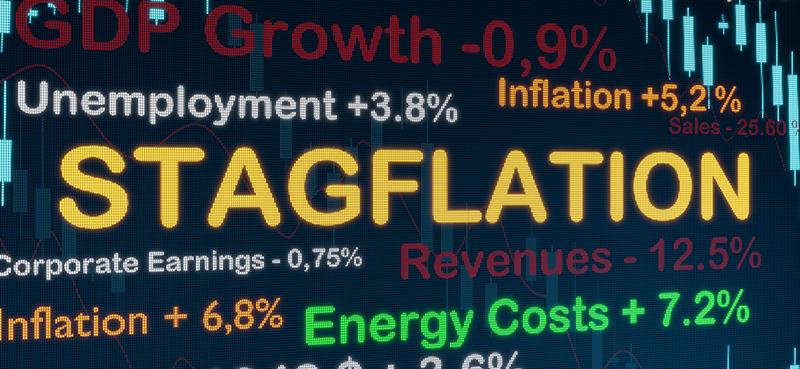
You got to remove it from your dictionary is the word hope. And he said, we hope inflation comes down. We hope. And I don’t know if that’s going to happen because, again, oil prices did pull back for today, but they’re rising. And they’re rising because, you know, we saw economic data that was really, really positive from today. So and that economic data was the, you know, and when I say economic data, first of all, you know, don’t shut us off because this is what’s driving the markets. If you wonder why, how come the market switches, it’s because of the positive economic data that came out today from the PMI. But nobody really pays attention to that. I think a lot of people will say, okay, the CPI, PPI, that’s inflation or unemployment. But when you’re looking at the PMI, the Purchasers Managers Index for August was released this morning. And holy shit, this is a number they should pay attention to because it increases fast rate in five years. This is both manufacturing and services. So the company’s backlogs of uncompleted orders, and this is a big indicator of capacity and future business growth, rose to the sharpest rate since 2022 in May.
Frank Curzio 15:08
Employment within this also surged with jobs added at a pace not seen for over four years. That’s a red-hot report. And that comes on the heels of retail sales, which came out last week, late last week, where August was very strong. You know, expecting an increase of 0.7%, it came at 1.2%. That might not sound like a big deal. That’s 70% higher than was expected. It’s a big deal. So home furnishings, positive for the first time since, what was it, 11 straight months. Consumer electronics up almost 8% year over year. Home improvement up 5.1% year over year. Grocery up, non-store is up 10%, right? So, and this is mostly prime day and stuff like that. But 12 of 13 major retail categories posted month-over-month increases. Now, you could debate and say, well, Frank, you know what? That’s from higher prices. It’s not from demand. It doesn’t matter. It means that these companies have pricing power, right? And consumers are not, they’re not cutting back, right? So this suggests when you’re looking at this that inflation is not slowing.
Frank Curzio 16:10
It suggests that, and right after this was reported, we’re looking at, you know, retail sales last week, but now you have Purchaser Managers Index. Once this was reported, the market turned right away because this suggests that, hey, inflation is not moderating. We haven’t seen it in the latest numbers in the PPI, CPI, and we’re not seeing it. I mean, even though we’re at full employment and everything, we’re not seeing this slowdown, which means we’re going to see the Fed come out and probably raise rates again. And that might happen next month and December. People think it’s off the table because we have the elections coming up in November and don’t want to rock the boat there. But, you know, this data suggests that inflation is not slowing. And there’s no coincidence where you saw the 10-year rise back up to new highs immediately, right? That’s what drove the market to a four-day rally in Nasdaq and everything. The stocks did great. But, and now you’re seeing, you know, oil prices back in the rise as well, which, again, those are the two indicators that you need to pay attention to because that’s driver of stocks.
Frank Curzio 17:05
And that’s why we have a negative view on the economy because I don’t see crude coming down a lot. Yes, it’s down from 100, still 90. It’s going to be like 70, all right, to really be a big deal. And then the 10-year is 10-year come down. I don’t see that coming down anytime soon, at least through the election and this year. And that’s going to impact stocks. So you got to be careful. Risk-reward is not favorable right now still.
Daniel Creech 17:26
Agreed. But not to just go against you here, and I’m not putting words in your mouth. Some of this is positive. Everything’s negative today because it is a hot print. However, the reason I’m saying this is because not just Daniel Kretz, but Fed Chair Warsh and a lot of the Trump administration officials are going to tell you, now time will tell. We don’t know if this is true or not yet. Yes, inflation is too high. Inflation has been too high for five years. Inflation is not going back down because we are still printing money and expanding the Fed balance sheet. That’s what causes inflation. Ignore all the talking heads. That’s as simple as it is. Go back to economic history. Number two, a lot of the growth in the strong economy is inflationary. And then you have to decide, is that bad or good? And Chair Warsh is on the side that, hey, I don’t mind productivity causing prices to go up in the short term. That’s a heck of a bet because that means you have to put up with short-term pain, see the productivity, efficiencies, and all that kind of stuff, and then that’ll ease.
Daniel Creech 18:28
That’s going to be a very, very tight rope to walk because you’re still managing and pulling levers on the other side with Fed balance sheet expansion and money printing and such. So just be prepared for volatility all across. But, and again, I’m not saying Frank is saying this, but stronger economic data or higher inflation on this reading is not negative overall, but it is negative right now. And it pushes the 10-year back up of the big five level.
Frank Curzio 18:52
Yeah. And look, the negatives that we’re seeing is higher diesel prices, right? I mean, they’re up 30%, 35% in a month, right? So that’s a much, much higher cost. We’re seeing it at airlines. Joe, I mean, you just, you know, you tried to fly from Jacksonville to New York on short notice. How much was that flight? Was it seven? It was around $1,000. You see costs. I remember it was 250, 300, 350. Yeah, it’s a joke right now, right? But, you know, those negatives where, you know, it’s driving rates higher. It’s a major headwind for the equity markets, but it’s also crushing the housing market, a big driver of the economy, which a little bit less so over the past two years because AI has just been on fire. We’ve never seen a trend like this with trillions of dollars just pouring into it, 7 trillion by 2030, which is driving a lot of this stuff. But you could see the stocks specifically in that area have come back and do a little bit better. But, you know, KB Homes just came out with their latest report.
Frank Curzio 19:45
We’re talking about housing and it says average selling price for homes, the company says 480,000. That’s $20,000 lower than what management reported last quarter. So just to put that in perspective, 480,000, the average selling price per home in 2022 for this company was 495,000. And four years ago, it’s 480 now, right? So you’re seeing these prices come down because rates are absolutely surging, especially on the mortgage rates where the 7% and most people can’t afford it. They just can’t afford it. They’re taking out risky mortgages where they said nearly 10% of borrowers opted for riskier mortgage last week and variables and stuff like that, which is crazy. However, let’s look at the positives, right? We want to be fair here because, you know, that economic data was absolutely, you know, very, very strong. If you’re looking at the retail numbers especially, we’re looking at discretionary stocks that got their ass headed to them, right? I mean, this is a sector that has gotten, you know, annihilated.
Frank Curzio 20:37
A lot of them. You can pick out a couple of names that have done well. But for the most part, you know, you look at specialty retailers, restaurants, hotels getting crushed, but the retail sales data says otherwise, right? That consumers are definitely spending. The economy is not slowing based on the data, not individually. And some people are like, how could that be? This is crazy. This is the data. You got to look at the data, right? I mean, the CPI, the PPI, those are big deals. We told you the CPI is, you know, basically the shittiest index ever. It’s been revised 30 different times over the past 25, 30 years. However, that’s what the markets are looking at to see if inflation is going higher, right? So regardless if you believe it or not, the economy is not doing it. The economy right now, based on the PMI, based on the retail sales, we’re seeing this growth that’s kind of surprising where, wow, interest rates are going higher. How come we’re not seeing a slowdown at all? Again, I’m not talking about the Fed raising rates.
Frank Curzio 21:29
I’m talking about the 10-year surging. It’s not resulting in a lot of cutbacks yet. So start looking at some of these companies. We’re looking at them as well where, you know, a lot of these names have gotten annihilated, but you only need a small positive. Look at Meta. Meta a month ago, right? Announced, you know, Mews, and next thing you know, that stock pops 30% off initiatives that’s going to generate a lot more revenue. So if these guys come up with anything and these retailers, any new initiative, closing stores or buying back stock, and they’re coming into the quarter, they’ve been annihilated. You just have to go from, you know, bad to less bad, and you’re going to see 20, 30% returns on these names because they’ve gotten annihilated, a lot of these consumer discretionary names. So we also have full employment, right? The employment is under 4.5%. That’s what economists call full employment. So, you know, and also Middle East. Did you see some of the news out of the Middle East?
Frank Curzio 22:20
And, you know, we’re saying how terrible it is. And, you know, again, we want to be fair where a lot of, there’s always agendas. If you listen to the news and news stories, especially the major networks, but if you’re really looking at, you know, some of the data, and this is real data, you know, we’re arguing there’s no short-term solution, especially ahead of November midterms, but there’s been progress. I mean, Sencom said crude at LNG flows through Strait of Hormuz are at six-month high. Kepler, another data company, shows a crude export through Hormuz at 6.5 million barrels per day so far in September. It’s much, much higher than it was last month. Saudi flows through the Strait average 2.9 million barrels per day over the past six days for 700,000 in August. Again, that’s JP Morgan reporting that. Ship-to-ship transfer also helping sustain volumes, 2.5 million barrels per day expected in September versus 1.4 million in August. So it is getting better. It’s still well below the lows, but you would think like, it’s horrible, it’s terrible, but we need that to get much, much better.
Frank Curzio 23:16
But there are all positives out there. But when you throw in, like, you know, if we keep getting positive economic data like we’re getting, you know, it shows that inflation is not moderating. It means that the Fed’s going to continue to raise rates. And that’s why you’re seeing, you know, again, this market turn right now and, you know, the 10-year surging to 19-year highs, which nobody had that two days ago. Like, okay, we’re past it and we’re past all this stuff. You’re not past it, man. That rate’s not going lower. I can’t see it going lower. The Fed can’t do anything to get it lower right away. We saw the government best in try to buy, again, it’s a small amount in the scheme of things when it comes to long-term bonds and, you know, triple the amount that the Treasury is going to purchase. But they can’t get that rate down either. And that rate is the rate that is significant in terms of consumers, lending, corporate. You look at auto loans, credit cards, mortgages, that’s the rate.
Frank Curzio 24:07
And right now it’s at a 19-year high, which is not good for the markets. It’s not good for stocks.
Daniel Creech 24:11
One of the reasons that we’ve seen the last few days, I know, I don’t know if oil is up today, I think it is, but it fell several days in a row because, hey, there was these rumors that maybe President Trump and the Iran president, who is also, I think he was speaking earlier today at the UN, were going to maybe meet on the sideline. Supposedly, some of our team members and their team members in Iran met for over three hours, and they’re going back and forth on trying to get this deal. That can help push it down. The other thing that’s being rumored out there, and Trump even commented on it yesterday, is about this diesel export ban. And that would be a Florida horrible idea if he goes through with this. And he just might because Trump is an egomaniac and he’s focused on the midterms. And if I give an olive leaf here or an olive branch, yes, if you stopped exporting diesel, you could probably see a short-term pullback in price here for a very small time. And when you’re looking at a short lens or at a short timeline or race like the midterms, you may be persuaded to do that.
Daniel Creech 25:08
Thank goodness, his energy secretary, right, and I believe the Doug gentleman on the land and stuff is against it. I hope that that’s true. Essentially, I’m going to use round numbers here. Let’s say that we export about one and a half million barrels of diesel distillates a day. And that’s the difference between what we produce at refineries and what we use. And then that surplus there is exported around. If we just hold that there, you got to think down the line value chain. So you got to understand storage, you got to understand transportation, and then you have to understand incentives. So if Frank and I are refineries and we understand that now diesel is going to have a small glut of supply and demand is going to stay at least constant for the short term being, what are we going to do? You’re not just going to keep producing diesel at the same rate. You’re going to switch over to whatever you can. That’s going to just be a cluster Florida, Frank. I’m telling you, this is a horrible, horrible idea.
Daniel Creech 25:58
You’ve already screwed up diesel prices because you’re justifying it with Iran. Like it or not, that’s the way it is. That’s what you got to stick to. If he starts changing games right now, just as the temperature does, that’s going to be a horrible idea. If you do get a pullback, oil refineries would be an absolute hand over fist buy. Let’s see, and hopefully somebody in his administration talk some sense into him.
Frank Curzio 26:20
Yeah. And just the heating oil prices too. We talked about diesel, but just, I mean, those prices are expected to go up from 1,700 last year to 2,300. That’s 600. That’s for this winter, $600 a month, an extra payment. Where, what’s the percentage? I think 60%, a little over 60% of people with paycheck to paycheck. Imagine now you have to pay an extra.
Daniel Creech 26:37
I think it’s about 50, but 50 is, I mean, which is insane. 50 is pathetic. And that’s the Fed saying it at all times. In fact, Warsh just recently said that.
Frank Curzio 26:45
Which is insane. But if this doesn’t make sense for you, I mean, you’re looking, I like to look at, and Daniel likes to look at as well, where we look at, you know, just reports from all the major institutions, whether it’s Bank of America, JP Morgan, Goldman Sachs, Morgan Stanley. And Bank of America put out a very interesting note I felt like went under the radar. We said this to Alpha members on Friday. So they expect the S&P 500 earnings for this year, which ends in six months, right? The end of March and April is when you report Q4 earnings. But they raise the S&P 500 earnings estimates to $365. That’s all the earnings in the S&P 500 together, right? Most of that’s going to be driven, I think, more than 50% of that earnings growth, 33% is attributed to, you know, hyperscales and AI names. So that implies 33% year-over-year earnings growth. However, by the way, we’re used to growing 8.5%, 9%, 33% is insane. However, the bank also has a 12-month target of 7,800. Where’s the S&P 500 today, Joe?
Frank Curzio 27:39
Can you put that up there? They have a 12-month target of 7,800 for the S&P 500, right? We’re there. It’s 7,719. And so we’re there, like 1%, whatever, 1.5%, which implies just very little upside. Think about that for a minute. We have a major institution, Influentio, saying that they expect 33% earnings growth, but with that 33% earnings growth, you’re only going to get a 1.5% return on that investment. So if you’re looking at the markets in that perspective, why even bother owning stocks? You can look at it this way, because that’s what Bank of America says. Why would you own stocks since earnings are likely going to get cut due to higher diesel prices, which affects a lot of these businesses? They don’t get cut. I’d be surprised if a lot of these companies are going to be optimistic on their guidance after they report, which is so McDonald’s come out and say, hey, you know, we hope, we don’t think it’s going to change. I mean, if they don’t think inflation is going to come down, then numbers, they’re not going to be aggressive with their guidance, which is going to hurt a lot of these stocks, especially ones that are 52-week highs.
Frank Curzio 28:38
So they’re saying you’re only going to get 1.5% returns on 33% earnings growth. Why take on that risk-reward when you could throw your money in a money market account, which is a real thing now, and earn 3.5, 4% risk-free? So now you have other options in stocks where the Fed kept rates low for such a long time where they’re like, you’re going to get punished for not owning stocks. If you’re going to keep money in the bank and just, you know, at low interest rate, you’re going to get punished. So throw it out, spend it, go crazy. You know, now it’s different. You have real alternatives and saying, hey, you know what? Maybe I’ll pull some of this off because this is a crazy environment, because it is. It’s very confusing. I mean, the Nasdaq being at highs when you’re seeing, you know, more stocks hitting 52-week lows and highs, it’s, yeah, and a lot of it is based on just a few of these names really taking off. It’s a very dangerous market that’s confusing to a lot of people. But right now, it’s just, for us, when we look at the risk-reward, it’s dangerous.
Frank Curzio 29:31
We’re looking for new ideas. We’re still investing in some stocks. We took some profits in others. You know, we dialed down our portfolio a little bit and sold some stocks over the past couple of months into this. But it is a dangerous market out there. And just be careful. You’re not alone. If you’re looking at your portfolio and going, holy shit, why am I down? I’m reading at the Nasdaq’s high. That’s why. It’s just a few stocks. Hopefully, you have a little bit of exposure to some of them. If not, then, you know, you’re probably getting hurt right now, but there are going to be lots of buying opportunities that are going to present themselves, I think, in the next week, month, especially going into next earnings season, which is very exciting. You’ll see a lot more names make their way into the portfolio in Alpha because some of these names are pricing in that risk. Others I’d be worried about, but, and momentum names, but there’s a lot of good names out there that are just getting annihilated that it gets to the point where, okay, enough’s enough, insider buys, they’re announcing buybacks, their quarter wasn’t that bad, and they’re down just as much as, you know, the shitty stocks like Lululemon and Dick’s Sporting Goods.
Frank Curzio 30:20
You know, that provides opportunity if a whole sector sells off, we could buy individual names for cheaper, which we’re going to look to do in Alpha.
Daniel Creech 30:28
Yes.
Frank Curzio 30:29
Cool. So with that said, let’s get into AI. We discussed this earlier a little bit, and we see AI stocks rebounding. This is Nvidia’s Jensen Huang said that there’s zero chance of the world ending because of AI.
Daniel Creech 30:43
Thank you, Jensen.
Frank Curzio 30:44
I found it funny how the largest AI companies agreed to slow the pace of frontier AI development, or at least they all told the world that and told the right people that. And now it’s kind of like this massive, like his guy’s writing books and how the world’s going to end and this one researcher left. And, you know, again, I heard this since the ’80s, the ’90s, everything, you know, Y2K, the world’s going to end like all the time, right? It’s the greatest story ever to sell whatever you want. But you know how you know they’re full of shit, like completely full of shit? It’s very easy. First of all, none of them are delaying releases of new models. OpenAI just released a new GPT-6, which cuts price by 50%. This is this week. Anthropic released Claude Opus 5.5, which is 40% cheaper to run. So pedal to the metal for all major AI companies where if they’re really concerned and really saying, oh my God, the world’s going to end, we need to slow down, it doesn’t sound like you’re slowing down.
Frank Curzio 31:35
Another reason, I got a couple of these, how you know they’re full of shit. None of them cut capex spending. None of them said, hey, we’re cutting back on this. Nope, none of them. None of them have put limits on compute, right? Not at all. And the best part is nobody’s enforcing it. There’s no governments, nobody’s enforcing this. They just all came out and said, oh, we’re going to slow down. How do you know they’re slowing down? Nobody’s enforcing it. Anthropic said, well, you know, we’re going to do different things to show that they’re not going to slow growth. Okay, it goes against everything, especially in an industry that changes so rapidly where you could lose a trillion dollars in market cap if you, like Google did, and then 3.5 Gemini came out and good for them, and then they caught up. Meta got annihilated. Now Meta’s catching up. You know, you can’t fall behind in this industry. You’re risking a trillion dollars in market cap if you do. So, you know, to say someone’s going to slow or they’re not going to slow, it’s one thing to say it, but to do it and blame, oh, the world’s going to end and this is happening too fast, it’s not happening too fast.
Frank Curzio 32:31
I mean, you know, you have these reports of, oh my God, these, you know, the operating off of each other and breaking into companies. Yeah, that’s much different than the end of the world and everybody’s going to die tomorrow. You know, it’s just, it’s pretty crazy. And I think Jensen Huang just calmed everyone down and that helped with the AI trade this week.
Daniel Creech 32:46
Yeah, hopefully. I mean, it’s glad to see. I don’t mind everybody having differences of opinions, but let me give you some important opinions that you’re probably going to think are better than Daniel Kreach. A guy named Alex Karp runs Palantir. You probably heard of him, Frank. And also Scott Bezet, the Florida Treasury, the secretary, Frank, Treasury secretary. Listen to this. Karp was on CNBC and we touched on this briefly. And he even talked about how, listen, OpenAI and Anthropic are asking the government to basically nationalize them or give them a stake, like Senator Bernie Sanders wants, because that’s going to take away the liability. And essentially, he’s hanging up on that. It’s all about liability. And I agree with that a lot. Fast forward to Scott Bezet. Treasury Bezet was on CNBC, also talking about ahead of the UN. And he was saying, listen, we already have rules in place. And essentially, he was saying the same thing. These companies want to act like there are no rules for liability.
Daniel Creech 33:36
And Bezet said it right out. And now there’s rumors that he might be the AI czar. But Bezet came right out and said, listen, Frank, if you make the AI model, you are responsible for the AI model. Well, Anthropic and OpenAI do not want, it’s kind of similar to crypto in the very early days. Hey, we got this new mousetrap, but we don’t want to play by any of the rules on the current existing mousetrap game. And, you know, we were always thinking, hey, listen, Bitcoin’s awesome, crypto’s awesome. But if you think that there’s not going to be any rules or regulations to it, you’re just silly. Same thing with OpenAI and Anthropic. Hey, they got these great tools. They’re amazing. I have no doubt this is going to be the new internet revolution, railroads, all that good stuff. But you can’t ignore the liability issue. And that’s what they want to do because they’ve gotten ahead of their skis. They’re on the hook for all this money and future liabilities and such like that. They need help or they’re going to collapse.
Daniel Creech 34:26
And, you know, again, I’m not saying that this bubble is going to pop because of them, but it’s okay to point out the facts that those two companies are basically the hinge points of this OpenAI trade right now. How that disperses, how that plays out over time, we’ll just wait and see and adapt. But, you know, do not get scared beyond common sense, people. This is about liability. And I really appreciate Karp and Bezet. Not that I agree with both of them on everything, but at least they’re being the adults in the room saying the absolute Florida obvious. It’s like, hey, you created a product and you act like, oh, well, this is just so amazing that we can’t be liable for this. That is such BS that it’s not even funny. And then, again, I joked about this, but if they are, I like Frank’s full of crap list, because if you’re really that scared about your product, then why are you still pushing to go public? How can you, I mean, like, it just, when it’s so over the top that you need the media and sound bites to keep justifying it, you know you’re on to something BS there.
Daniel Creech 35:26
So just use the brain God gave you, people.
Frank Curzio 35:28
Listen, have an opinion on it, whatever you believe. You could disagree, not agree, whatever. Yeah, agree with us. But the facts remain that AI demand is significantly outpacing supply by many, many years. Even Jensen Huang said instead of growing by 70%, we’ve been growing by 100%. And if, you know, there’s just so much demand, but we can’t keep up. Supply chains, they can’t keep up. And we saw UBS today came out with a report, which you’re not going to hear at any place probably, but they initiated on several AI colocation companies. Colocation is another word for crypto miners transitioning to AI models, which we’ve been all over. So it plays buy ratings on some of the big ones. Hut 8, Terriwolf, Applied Digital, Core Scientific, and Cipher Digital. The thesis is pretty simple, right? Names are going to see very strong revenue growth, revenue backlogs, which highlight the momentum building for third-party center developers, which are these companies. And they say these third-party center developers provide hyperscales with organic builds and ecosystem development.
Frank Curzio 36:27
And most importantly, though, they have access to grid connections, which is massive right now in a world where states are putting restrictions in place to stop or slow data center growth, at least future data center growth. So these guys want to lock in stuff that is guaranteed, that they know is going to give them power going forward, because that is their major threat into growing these systems over the next three, four, five years. And we’re well positioned here with DGXX and Vivo. By the way, Michelle Lamar is the CEO of DGXX. He just confirmed that he’s going to be speaking at our Curzio One conference. And Vivo, I think, is going to be speaking. I’m talking to him later today as well to confirm that. So, you know, those who are Curzio One members, it’s going to be really cool because, you know, you’re going to see these CEOs live, get to hang out with them. You’re going to be able to ask some questions. I’m going to be interviewing on stage. And that takes place from October 25th to the 27th.
Frank Curzio 37:24
It’s at Pier 66 Hotel in Fort Lauderdale. We had there last year. It was unbelievable. Amazing, amazing venue. Again, it’s October. You’re going to be in Fort Lauderdale, Florida. It’s, you know, one of the best places you could be during that time of the year. Just the weather is absolutely perfect and the hotel’s amazing. But those are just two of, I think it’s 17 confirmed CEOs that I’m going to be interviewing on stage. And a lot of these are private companies that’s going to be actionable, several actionable ideas of prior placement to get into, some big announcements, and really exciting stuff. So just the lineup is unbelievable. I’m just honored that so many CEOs want to speak at this. They heard how great it was last year and, you know, the access that they’re going to have. And we’re going to have a lot of great people in the room. And that’s for, you know, our Curzio One members, which get into private deals and invest alongside, you know, the same deals I’m getting in at the same terms, which is cool.
Frank Curzio 38:12
And, you know, we provide all the paperwork for you. We do everything for you. We help you out with everything. You get to speak to me directly. But that’s a special membership for credit investors. And, you know, we’ve been growing that. It’s a lot of fun. And I can’t wait. The conference is coming up next month. So it’s a lot of fun. Just booking the entertainment, which is going to be awesome as well. But Michelle Lamar, thank you. He confirmed. And he’s going to be speaking or I’m going to be interviewing on stage at the Curzio One conference, which is exciting. Now, getting back to this, you know, these crypto miners, you know, these have always been the same. Like we don’t have enough electricity to support data center growth over the next two, three, five years, not even close. So buy the names that own that electricity, that have access to the grid, because, you know, you’re looking at those hyperscalers. They’re literally going to sign billion-dollar contracts to lock up that supply for five, ten, even 15 years.
Frank Curzio 38:57
And we’re talking about very small companies here. Some of them, like Hut 8, is a little bit bigger. You have Irons, a little bit bigger. But you’re talking about companies that don’t have a lot of revenue and suddenly getting billion-dollar contracts with, you know, two, three hundred million dollar market caps, which moves the needle tremendously. And some of them got contracts and those stocks have gone up. Like Digital Power X has gone up tremendously, if you see that. And we recommend this under two, I believe. And, you know, we’re up nicely on it, but it did pop even more on the contract it came down. But now you see all the videos coming out of Digital Power X and how the Alabama plant’s next. And if they sign another billion-dollar contract, this thing is going to go to the double digits. So, you know, it’s a road that’s up and down, up and down. You’re in at a good price. You get to hold the same with Vivo. So it matters where you buy these things. But, you know, these small companies with little revenue suddenly get billion-dollar contracts from Google, Meta, Amazon, CoreWeave, Oracle, OpenAI, Anthropic.
Frank Curzio 39:44
I mean, it moves the needle for them tremendously. And Vivo Power is a kicking ass today. But, you know, this adds to the thesis that this isn’t going away. In fact, a lot of the data center development that’s being, you know, again, pushed a little bit longer, this is resulting in a lot of these guys going, look, you know, let’s just look for 20, 40, 80 megawatt projects. You know, we don’t have to go for the big gigawatt project just to guarantee that we’re going to have this electricity because they can’t run the AI systems without. So that’s very exciting. And it was a very, very good note by UBS. Good job. A little bit late to the party. A lot of these things are up over the past year, but down over the past like three, four months, just a little bit. So, but still, I love this initiation here.
Daniel Creech 40:22
They’re definitely, they being the data center plays and everything downriver from that are under attack, seeing some pushback with the midterms coming up and not in my backyard type deal. Completely understand that. If the only value I can try to provide here is if you want exposure to this, either through the power plays or even the chips, I know Cerebras hasn’t bounced off of its recent lows, but I really like that company or continuing to dig into it because my only point here is if you want exposure to this, do not wait until after the midterms. The midterms are still an eternity away, in my opinion, politically speaking. A lot can happen between now and then and coming down to six weeks or whatever it is. But if you want exposure to this, do not wait until after November, whatever the date is, second or fourth or whatever falls on. You want to scale into these on negative days or down days if you want exposure to that because the market is so forward-looking. And last thing about midterms here for me, if the market really starts pricing in, Trump losing the House and Senate in such a majority away, we’ll probably see a pullback.
Daniel Creech 41:23
And then you just have to ask yourself, hey, is the lame duck or kind of gridlock good for stocks? Yeah, typically it is. And then you also have to pay attention to where, hey, do you think he’s going to go wild on executive orders? Absolutely, he will. You can go all in on that trade. But the market will be forward-looking. So don’t, you know, listen to your favorite media source, but don’t get over your skis with it. Just do not wait until midterms to pick up exposure to whatever you want because the midterms are giving you that opportunity.
Frank Curzio 41:51
Yeah, no, absolutely. And listen, this isn’t a hunch. This is many years of research and looking at electricity and telling everyone, listen, you know, what everyone’s modeling for is way off. I mean, they’re modeling for large language models, which was just the tip of the iceberg, right? They’re not modeling for frontier AI models. They’re not modeling for robotics, which are coming out very, very soon. Everything’s going to be run on AI and this is going to require much more compute. We knew they were off by like 40, 50%. And now you’re seeing these things get updated. But when you’re looking at the electricity prices, you know, if you date back 25 years for electricity prices, energy prices have increased annually by 2.8%. Since 2020, electricity prices have increased 9% annually. That is a structural shift. Okay, that’s something that breaks things where our grid is very, very old. It takes four, five years minimum to get a lot of this stuff. If it’s, you know, transmission lines or whatever built to increase this.
Frank Curzio 42:45
And they’re going much higher because we don’t have the capacity to fill these AI needs. Now, you know, again, a lot of these people were wrong on electricity. This is why we were able to log a lot of gains in many stocks in Alpha portfolio. But this kind of reminds me of housing in the credit crisis where leading up to that, historically, home prices rise around 2% annually, but they surged 12%, 13% annually, 20% plus in some areas annually from 2004 to 2007, early 2007, before everything started hitting and then the cracks started showing. When you see this, something breaks, right? When you see it just, listen, when you’re used to an industry growing a certain amount and in over three, four-year period, it’s, you know, tripled amount, quadrupled amount, there’s things that break. It’s not, you know, you have certain infrastructure that’s ready, but you’re not ready for the demand. And, you know, so for me, I think we’re going to see blackouts coming in 2027 in many states, starting with Texas.
Frank Curzio 43:36
You know, prices are going absolutely through the roof. They’re going to continue to go through the roof, but we just, we don’t have the electricity. We just don’t have it to fill these AI needs. And these guys are not stopping. They’re not slowing CapEx. It’s 7 trillion through 2030 that they’re going to spend, which is insane. And in order to make these systems much better, much faster, 10 times better, it’s going to lead to even more electricity demand. And we just don’t have it. So something’s got to break. The price is going to absolutely skyrocket. But how do these guys get that electricity? And that’s why you’re seeing companies like Oklo and other nuclear companies with technology that’s not going to be available for four, five years or Microsoft investing in, you know, the reopening of Three Mile Island, which, again, three, four years minimum. And that’s if you get state, local, federal approval, which you probably won’t, who knows, next administration or whatever. And they’re booking that out for like 20 years, right?
Frank Curzio 44:25
Because they need it so bad. They’re hoping that the future of these new technologies are going to be around with battery storage systems. Nuclear is really big and nuclear has pulled back tremendously, but a lot of this stuff is big. I mean, you know, for a lot of these companies. So that electricity demand is not slowing anytime soon. And I like UBS’s report today. I think a lot of those names are different from others and we’ll cover that in Alpha. It’s not just Vivo. It’s not just DGXX on a small scale that we like. There’s a lot of difference between those stocks of who’s going to get like DGXX is generating revenue off this. Vivo is going to be generating revenue off this right away. A lot of these companies have to build this stuff and take out loans. And then, you know, they sign the contract. A lot of that contract’s dependent on if they, you know, produce and have that power ready and the connections to the grid. So they’re not all the same. There’s different, you know, different levels.
Frank Curzio 45:15
And, you know, we cover that and there’s great reports on it and we’re going to share some of that in Alpha going forward. But there’s a lot of ones that we might be recommending in Alpha in that crypto mining space because right now is a good time. They pull back and you need demand. They’re third parties that have access to electricity. And you’re looking at hyperscalers, the richest companies in the world, massive cash flow, billions, tens of billions of free cash flow. You know, these companies are going to pay for that. And these guys are in the right industry right now. And they’re very, very smart to do this. So pretty exciting times. Pretty exciting times, at least in that sector of the market. I think you can make a lot of money.
Daniel Creech 45:44
Yeah, and they should be paying for it. And just quickly for me, I like your stats on the historical electricity growth and such. But remember, if you want to know who you should be angry at, it’s both Democrats and Republicans because why is the grid not up to par? Why has electricity kind of stagnated until recently in the AI? Well, that’s because both parties sold us down the Florida River and they gutted manufacturing here. Manufacturing is one of the largest power requirements. Think of making anything. That takes massive amounts of natural gas, steel, whatever, coal, whatever you’re using. And they absolutely gutted it, sent your jobs overseas. They gutted the Midwest like where I’m from and I love. And you do that for decades and decades across all kinds of administrations. And then you have a growth component and now you’re going to have a lot of mess. So you’re going to hear the blame game going back and forth. Just cut right through that. Try to make money for you and your family, but understand the people that have been sitting in office for the last two to three decades are directly responsible.
Daniel Creech 46:40
And that’s why they’re so Florida rich office selling you out.
Frank Curzio 46:44
Before we end it, throw up McDonald’s again, Joe. McDonald’s, I think it was down 4.5 and 5%. I think it’s going to 6%. I don’t get the CEO strategy. I really don’t hear. And I’m going to say this again because your investor day is, I mean, you ever see Meta’s investor day? Apple just had their investor day. It’s one, it gives you a time with, if things aren’t going good, you could say, hey, this is not going good. This is what we’re going to do for the investors, right? And this is what we’re going to, this is where we’re going for the investors, right? This is the investor day, all the investors who own your stock, who love you. And even though that stock’s down, it gives you a chance to say, hey, we know we messed up, but here’s what we’re doing going forward. The CEO to go on CNBC today and say, hey, I don’t really see anything changing. Before this, now you’re going to go to the investor meeting and speak to all these people when your stock getting annihilated. And what are you going to say to them?
Frank Curzio 47:32
Oh, well, we told CNBC we don’t expect things to change, but they are going to change. And this is what we’re doing. It’s such bad pay. This guy is going to get ripped. If he’s not getting ripped, you’re a McDonald’s shareholder. You should be really, really pissed that this guy went on CNBC and basically said, hey, you know, we don’t see anything changing and, you know, it doesn’t look good. And, you know, we hope things change, but inflation’s still there. You know, you don’t do that before the investment day. The investor day is, hey, it doesn’t, if things are great, it gives you an opportunity to say, hey, to pat yourself on the back and, you know, take that victory lap. And if they’re not, it’s, hey, this is investor day. We know here, here are the problems that we have. This is what we’re going to do going forward. But for you to go on CNBC and not really talk about that and now, and you haven’t went with, you know.
Daniel Creech 48:11
This is the best one if you’re watching.
Frank Curzio 48:12
This is the best one if you’re watching. I hope you guys watch this on YouTube and everything. And even on our site, we have the videos like that.
Daniel Creech 48:19
To think about all the PR and money that this company has to put into great commercials and all this kind of stuff. Remember the, remember Jordan and Bird playing horse? All that good stuff. Watch this guy. This guy needs to go to Hollywood.
Frank Curzio 48:32
Wait, let’s see the bite. Is it coming?
Daniel Creech 48:34
This is amazing.
Frank Curzio 48:34
What’s the bite?
Daniel Creech 48:35
The bite doesn’t even get my attention. It’s the face afterwards.
Frank Curzio 48:38
Yeah, it’s almost like he doesn’t want to eat it. I mean, the burger is like bigger than his hands and he takes a bite like a bird. He’s like, look at that. And I feel like he just spit it out after.
Daniel Creech 48:50
I haven’t tried that, so I don’t want to knock that. I haven’t had a, I haven’t had much outside of a breakfast sandwich in a long time. That’s my, that’s my McDonald’s world.
Frank Curzio 48:57
I don’t know. It’s crazy. So yeah, just, man, just stuff like this. This is actually where we help people where, you know, it’s not just marketing on marketing division. We really talk to the CEOs and we consult with them. And I love that part of the job, just telling them like, hey, what works, what doesn’t work and message going out to everybody and stuff. And I love that part of our business now. We work on really good companies and it’s been a big revenue driver for us. I know there’s a lot of shitty companies that do that and just, you know, try to drive socks up so they could sell them. We own these, we recommend a lot of these stocks and, you know, deal with really good companies. But that’s the part I like. Like if I was like a vice at McDonald’s, I’d be like, don’t go and fuck at CNBC and tell everyone that nothing’s changing because, you know, now you’re going to invest it. Now all your investors, your investors, the people who own your stock have to be totally pissed off before this guy even speaks. What is he going to say to drive this? That he wouldn’t have mentioned on CNBC because everybody wants to talk on CNBC and all the CEOs want to talk about positive.
Frank Curzio 49:46
You don’t go on CNBC on your investor day and talk negative or maybe talk afterwards about it, but not before. Oh, just terrible. Terrible, terrible, terrible. Anyway, so really looking forward. I’m glad Michelle Amara is going to the one conference. I want to give a shout out. My youngest daughter, her birthday, 16th birthday is tomorrow.
Daniel Creech 50:05
Ooh, 16.
Frank Curzio 50:07
We are having a nice party at my house and it should be really, really cool where we’re going to have massive water slides. And Joe, I think I have a video of this. You guys can see this. It’s pretty cool. So it’s 30. You’ll see the slide in a little bit towards the end of the video, but all these inflatables we get around the whole backyard and she has like 16, 20 of her friends and everyone’s just jumping in the pool, going crazy. A lot of them sleep. Whenever we have parties for my daughters, they’re not like two, three hours. We say it’s the whole entire day. So you guys can stay. I’m going to be going there, cooking burgers and hot dogs and having fun. But we got all these inflatables and we do this, we do this last year and a year before, I think. And this slide is like insane. Like, you know, I’ll go up and down and, you know, it’s steep. You go flying into it like backwards and into this pool. And I have to tell you, I’m always like really, really sore because I’m 54 now and, you know, I’m getting old to do this stuff, but I’m going to still do it as long as I can go up that slide and make it up there.
Frank Curzio 50:57
It’s hard to get up there too with the steps and everything. It’s really, really cool. So I just want to give a shout out to, yeah, my youngest daughter on her birthday.
Daniel Creech 51:04
Happy birthday.
Frank Curzio 51:04
16 now. 16 and 18-year-old man. That is crazy. Holy cow. Anyone who has teenage daughters knows you should feel for me. It’s never easy, but it’s really good stuff and I’m so proud of it. It’s really awesome. And last shout out too before we go, I just want to give a shout out to my dad who passed away today. It’s 20 plus years ago. I lose track, but this is the day he passed and everything. And it’s the reason why, you know, I’m in this industry. I started this and followed his footsteps and stuff like that. So I just want to say I love you, Pop. Do a shot like I do every single year for you. I don’t know what the shot’s going to be, but I was going to stop by some kind of bar and do a shot. And yeah, other than that, I’m looking forward to the Saturday birthday party and stocks and we’ll put back to you guys. Remember, Thursday is your day. That’s a Q&A, right? So go to askkurzo.com, ask your questions. We’re starting to get a lot of questions in. Last week we had great questions. There’s a lot of shit going off the market, man.
Frank Curzio 51:52
You guys want to stuff that’s analyzed stuff we haven’t covered. You know, just there’s different earnings and a lot of earnings coming out now. The economic data, how to position, you know, again, it’s, this is things that we could do to an audience and talk. I can’t talk individually. It’s considered investment advice, but you know, ask those questions and we could talk to everybody about it because your questions are probably the same ones that others have. Use it. That’s what our Thursday podcast. That used to be behind the paint wall and now it’s no longer paint wall. It’s for free. And I definitely use that to your advantage because the questions that we got last week were fantastic. I’m sure I’m going to get some more questions, but askkurzo.com and, you know, Dan and I will see you tomorrow on that Thursday podcast and which starts normal time. We’ll be producing that probably about three, four o’clock like we normally do, but lots of questions. Keep coming in. We’re going to answer a lot tomorrow. We already got some good ones, but keep asking.
Frank Curzio 52:38
If we don’t get some this week, get some next week. And I always, I’m always going to, if you have a question, I’m going to email you and let you know if we’re going to answer that question on the podcast. This way we can give you a heads up and you can listen. So we always do that too. So looking forward to seeing you tomorrow. Stay safe, be good, and invest accordingly. We’ll see you guys tomorrow. Take care.
Announcer 52:59
Wall Street Unplugged is produced by Curzio Research, one of the most respected financial media companies in the industry. The information presented on Wall Street Unplugged is the opinion of its host and guests. You should not base your investment decisions solely on this broadcast. Remember, it’s your money, and your responsibility.
Curzio Research publishes market commentary for informational and educational purposes. The opinions expressed and market conditions when the content is published may change. It is not personalized investment advice or an offer to buy or sell securities. Investing involves risk, including possible loss of principal. Do your own research and consult a qualified investment professional before making investment decisions.