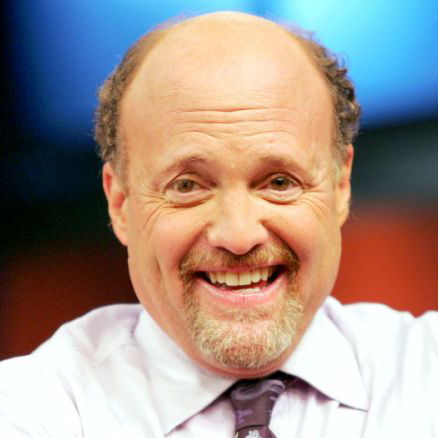
- Welcome Leo Mann, author of Don’t Sign That [2:34]
- The contract clause that could cost you your soul [8:47]
- The five contract clauses everyone should read [12:15]
- Search for these six words before signing any contract [24:36]
- Why smart people still sign bad contracts [33:07]
- Why Leo started the contract literacy movement [43:45]
- The hidden danger of “shadow equity” [50:16]
Editor’s note:
Leo will be joining us at the Curzio One Wealth Forum! Want to meet him in person?
Curzio One members can register for the forum here.
Not a Curzio One member?
Wall Street Unplugged | 1391
Don't sign another contract before you listen to this
Frank Curzio 00:00
Hey, what’s going on, everyone. Frank Cruzo here with the Wall Street Unplugged Podcast, where I break down headlines and tell you what’s really moving these markets. So, guys, I have an awesome, awesome interview set up for you today, and I want to set this up properly because we live in a world where everything seems to have a contract assigned to it. Whether it’s a lease, an auto loan, job offers, mortgages, non-competes, the fine print on every device you own, every single website you look at actually accepts the terms and agreements. And many of us—over 90%, according to Deloitte—just sign or click that “agree” button without ever reading the terms of these contracts. Now, this isn’t really a big deal until it is. And it was, for me personally—I know a lot of you, if not every single person listening to the podcast right now—have shared this experience. Personally, I got screwed working with a consultant. It was a 3-month contract I signed, and after the first month, well, I get everything going, and I didn’t realize that they required 60 days’ notice before terminating their agreement.
Frank Curzio 01:07
I’m only with them for 3 months, so the second month I knew I wasn’t going to use them. They’re like, “Oh, well, you signed this agreement; you didn’t give us 60 days’ notice.” Uh, I had a really piece-of-shit competitor that I work for, and I never talk bad about any competitor except for these guys because they screwed me. They told me when I came over to their firm, uh, I would get 30% of revenue for every person I brought on through my podcast, and I said, “That’s a great deal.” Then, buried deep in the contract, what it said is if those names were on their list—and of course they were on their list—they had dormant because they didn’t have good products and whatever. But I was bringing on new people. They’re like, “Oh, this name’s on our list, so I don’t have to give you 30%,” which is kind of, you know, shady, shady stuff. And I wound up leaving that place. So things like this happen to all of us. Uh, companies getting over on us all the time because we really don’t have the actual time to read what’s in these contracts.
Frank Curzio 01:58
Now, I work for Leo Mann. Uh, we worked together probably for about, I would say, 10 years. And now, every contract that I get throughout my business, I run through him. And the stuff he comes back with is actually laughable and really funny, to the point where I’m like, “Holy cow, no way,” because a lot of times I don’t have time to read it, but now I have someone that does. Uh, I feel like if you sign some of these things, you’re going to get ownership of your whole entire life and maybe even your kids. So Leo is with us today. Uh, he’s written a book called “Don’t Sign That: A Consumer’s Guide to the Contracts Running Your Life.” Leo, thanks so much for joining us. And man, we’re going to have fun with this conversation.
Leo Mann 02:38
Thank you, Frank. Thank you, Frank. Very excited to be here.
Frank Curzio 02:41
So this book had—did you have any idea that it was going to be a bestseller on Amazon?
Leo Mann 02:47
No, no, no idea, Frank. That’s, that’s, uh, you know, that’s the funny part of it, right? So I’m coming on this podcast today with you, and I consider this less of an interview and more of myself turning myself into everyone here and all the listeners. You know, here’s the dirty secret of my profession, Frank. We’re a fire department that quietly sells matches. You know, we build billions of dollars a year cleaning up contracts like the one you just mentioned, right?
Frank Curzio 03:13
Mm-hmm.
Leo Mann 03:14
That the 60 days, you come to me, you know, maybe I hadn’t read it in advance, and you know, and all of a sudden that contract just explodes in your face, right? And not one person in this country has ever been taught how to read the contract before they sign it. 30 years of that, and it finally got to me, Frank. So I wrote this book. It’s called “Don’t Sign That.” This is not a beach read. I want everybody to understand that. You don’t bring this to the beach and read it. This is a survival guide, right? It’s a handbook you keep on the kitchen counter. There’s a checklist in the appendix for each thing you actually sign. You know, like you said, it went to number 1 on Amazon, top 10 in personal finance, number 4 behind Rahmat Sethi, Morgan Housel, and Dave Ramsey. You know, I don’t take that as a compliment, Frank. I think I’m the greatest writer. I take that as a nationwide cry for help. And Frank, I have to, like, say this part because it’s the reason, um, I wanted to do your show. You know, um, in 2019, you did the first security token offering in financial publishing, right?
Frank Curzio 04:11
Mm-hmm.
Leo Mann 04:11
You tokenized your own equity. Now, I’ve read a lot of offering documents in 30 years, and I’ll bet my ball license that you read every single page of that one, right?
Frank Curzio 04:19
Yeah.
Leo Mann 04:19
Right? And that’s the entire point of my movement. I’m trying to get people to be more like you, right? To read that lease, right? With one-tenth of the care that you’ve read your documents. And I can attest to that because, like you said, we’ve worked together for over a decade, and you’re one of the few people that actually reads the things. And, you know, this movement really—yeah, it really took off, Frank. You know, I kind of wrote this, you know, it’s been probably 10 years in the making, just keeping a journal diary, writing down stories, and seeing what happens. And, you know, after this book came out, I expected, you know, to get, you know, to get some messaging from lawyers and other lawyers saying, “Great job.” But that’s the funny thing about this, Frank. It wasn’t lawyers. It was football coaches at Division I schools. It was union reps. It was high school teachers. Lots of parents, all saying the same thing to me, Frank. And it was basically along the lines of, “Why did nobody ever teach us this?” So we built it out.
Leo Mann 05:14
Six video modules with workbooks. We licensed the curriculum to career centers, Division I NCAA schools with the new NIL policies and regime under the NCAA, um, two athletic departments, high schools, credit unions, military bases transitioning our military into civilian life. You know, that’s the for-profit side of our business.
Frank Curzio 05:36
Why do you think it’s so relevant now? Because now we have sites that come up that basically steal all your information. Then you have, you know, a company like Facebook. Now Meta gets fined at $1.6 billion. They reach into their pocket. They’re like, “Here you go. Thank you very much. We just generated about $100 billion off of this past 10 years by able to get all this data from kids and promote whatever they want through their social media platforms.” It’s the new age. I mean, is it because of it? Because even when you accept these terms, I tell everyone all the time, whenever you go to your favorite sites, it’s like, you know, something pops up. And if you click off of it, it’s clicking as you accept it. And I always tell everyone, “Don’t read the terms of that agreement. You better not go into your favorite site because it’s basically, we’ll say, we’re going to steal all your information. We’re going to, in a nice way, we’re going to sell it to third parties. They can contact you.” All this stuff, right?
Frank Curzio 06:21
So nothing’s ever free. And if you’re reading this stuff on free, nothing’s ever free. Just like when you’re on these social media platforms, if you don’t understand what you’re buying, you’re the product, right? You’re the product. So they’re getting all your information, selling it to advertisers, and they own that information. I mean, even if you die, you—maybe your relatives don’t really have access to that information. They get to keep all that information. Everything that you’ve ever posted, YouTube, we’ve seen this. Is this a growing phenomenon because of how big the internet’s going? Or, uh, because I see it more ever where I feel like even the contracts, not just through the internet, but all the contracts I get, especially that I send them to you, there’s always these clauses in there that I’m like, “You got to be freaking kidding me. You got to be kidding me.”
Leo Mann 07:00
Yeah. And that’s the point, Frank, is that, yeah, I mean, does anybody actually read the entire terms of service of anything? No. Do I actually read them all? No. But what I—you know, what this contract literacy movement is all about is identifying, you know, the clauses in there. So if there’s 50 clauses in the Meta agreement, um, then, you know, there’s probably five or six that I would look for and read. And listen, are you going to change them? Are you going to call Meta’s legal department and be like, “Hey, give me, uh, I want to change clause 72”? They’d be like, “Click,” right? “Don’t use our service.” But what I think is important is education, right? That’s what this is all about. I think it’s important when you sign something to at least be educated. And we’ll get into this when we talk about the brokerage agreement, right? But it’s being educated, knowing what you’re signing up for so it’s not a surprise. Like, that’s what struck me in the last 30 years. And one of the reasons I wrote this book is when clients call me and say, “Hey, I just signed this lease for my daughter, and the landlord’s claiming this.” And I’m like, “Well, did you read the contract?” “No, I never read it.
Leo Mann 08:01
I just signed it,” right? It has a guy who runs a hedge fund, right? He didn’t read it. And, you know, “Hey, had you read it, would the landlord have changed it?” “Probably not. But would have you known what you were getting into?” “Absolutely.” And I think that’s the important part of these terms, like you’re mentioning. Like, these agreements are getting longer and longer. I mean, I was the guy that wrote them. You know, dirty confession here. I was the guy that wrote those agreements for 30 years. I was on the other side of the table. You know, I feel like I’m coming clean here with your viewers and, you know, trying to be on their side a little bit and just educate them what’s in there. Now, we can talk about a lot of different agreements. Some things are negotiable. Some things just aren’t. And the ones that aren’t, you need to know about. And maybe you sign it, maybe you don’t, but at least you know what you’re getting into. But, you know, that’s the dirty little secret of those.
Leo Mann 08:47
And then, you know, to your thing, Frank, I got to tell you this hilarious story about these terms of service, right? I mean, there’s been stories of people at Apple, unhinged lawyers at Apple, putting clauses in before they, you know, before they quit, that they take your kidneys, like you said, your firstborn. There’s, you know, verifiable instances of this. But here’s the best one, Frank. This is my favorite contract story in human history, okay?
Frank Curzio 09:09
Mm-hmm.
Leo Mann 09:09
It’s April Fool’s Day, 2010, okay? A video game retailer called GameStation slips one new paragraph into the terms and conditions on the website. Some unhinged genius in their legal department, on the day before a Call of Duty, whatever version, is coming out in April Fool’s Day, 2010, okay? And there’s this wall of text, right? Terms and conditions. Probably not as bad as today, but pretty damn bad, right? And the paragraph says, and I’m barely paraphrasing this, Frank, that by placing your order today for the new Call of Duty GameStation, you grant the company a non-transferable option to claim—no, wait for this, Frank—your immortal soul, okay? Your immortal soul, right? Not store credit, not your email address. They went thorough about it. The clause said that if you ever chose to collect, they notify you in 6-foot-high letters of fire delivered by one of their duly authorized minions, which means there’s an HR department in hell, right? And now, here’s the part that matters, right?
Leo Mann 10:11
This is crazy stuff, but here’s what matters, right? Right next to that clause, they put a link that said, “If you’d like to keep your soul, click here.” And if you actually click there, you got a $5 gift card. Free money. Sitting one line below if you just bothered to read the contract, right? 7,500 people bought a game that day. Less than 10% actually clicked and got the coupon. That means that over 7,000 people, Frank, 7,000 people signed away their eternal souls because they did the exact same thing every person does. They scroll, don’t read, click, done. You know, and there it is. And that’s the funniest contract in human history, in my opinion.
Frank Curzio 10:50
You know, let’s get to some examples here, okay? Because this way.
Leo Mann 10:54
Sure.
Frank Curzio 10:54
I think people are going to understand a little better. Your brokerage firm. Like, you have one where you send it to me, and this is a, you know, customer account agreement. What are some of the things that you would look for? Because a lot of people, they just sign these right over. “Hey, I want to open a brokerage account.” When you open a brokerage account, you want it done right away. “I want to move my stocks over,” or, you know, whatever it is. “I need to get this done right away.” And you just, you have this, you know, 30-page document, blah, blah, blah, blah, options, whatever. Uh, you know, what are some of the things that you look at? And I’d like to cover some of these subjects one by one because we all deal with them and we all just sign right away. And like you said, it’s not to the point that you can call them and change it, but it’s nice to know what you’re really getting into.
Leo Mann 11:30
Yeah. And, yeah, absolutely. We’re getting right to the meat of it, Frank. This is, um, what we do in our free workshops, uh, not necessarily brokerage agreements, but we go through a contract live, right? And this is what we do. And again, these brokerage agreements these days, right, they tend to be 60 pages. You know, customer agreement, margin agreement, fee schedule, usually 60 to 80 pages, right? Is anyone going to read that? No. No one will. No one’s going to read the whole thing. That’s just part of it. But what the contract literacy movement has done that we’ve started is it identifies, as I mentioned before, the key clauses to read. You know, almost every dispute always revolves around five clauses. And this is 30 years me doing this, 10 years doing, the last 10 years doing massive research for my book. I didn’t just sit down one day and write this book. Spent 10 years researching it and probably five years writing it to make it as beneficial to the consumer as I possibly could.
Leo Mann 12:24
And what I found, whether it’s this brokerage agreement, whether it’s a lease agreement, whether it’s, I don’t know, you name the agreement, your auto loan agreement, there’s always five clauses, right? Those are the ones that get you. And if you read these five clauses, you’ll do more than 99% of the people who own a brokerage account in this country have done, right? And that’s what we’re trying to educate people on. If we can increase that by 5%, get 5% more people to actually read these clauses, we feel like we’ve been a success in our movement. And you know what? Like you said, Frank, I’m not going to blow smoke at your hair, right? You’re not going to call a major brokerage company like Schwab or Raymond James or whomever you use, and you’re not going to negotiate these clauses, right? But our whole movement’s premise, as I mentioned, is you don’t read the brokerage agreement to change the terms. You read it to change your behavior. And that’s a lot about what the book, when I wrote it, I had no idea about.
Leo Mann 13:18
I had touched upon a little and seen a lot about the psychology of contracts, which we can talk about later. But what the movement really wants to do here, what I want to educate all your listeners in the United States about, is changing people’s behavior, right? Again, we’re not going to change terms with Charles Schwab, but we can certainly change the person who signs that agreement’s behavior, right? And that’s, you know, you can identify the risk and you can size up the risk and you know what you’re getting into. So you want to jump right into it, Frank, the five clauses?
Frank Curzio 13:49
Let’s jump right into it. Yes, go ahead.
Leo Mann 13:51
Okay. Excellent. Okay. So clause number one, um, you gave up the courtroom, right? In every brokerage agreement, and you know this, Frank, right? Near the front, I think you’ll see on that agreement in the big bold print, it basically says in capital letters, there’s what’s called a pre-dispute arbitration clause, right? In plain English, it means if you and your broker ever have a real fight, right, and you’re not going to court, like, no court’s available to you, right? You’re going to arbitration. And in FINRA’s forum, in front of a panel, no jury, no discovery. Well, there’s very limited discovery in an arbitration, um, fraction of what you get in a courtroom. And, you know, and the problem is that the award that’s given at this arbitration is basically unappealable, right? There’s very, very narrow and few grounds where an arbitration can be overturned and you can actually go to a court for the dispute. And that’s usually things like fraud or embezzlement, things like that, right?
Leo Mann 14:46
Um, now, I want to be precise with your audience because I bet they’ll fact-check me, right? And they should. You know, this is not some rogue clause. It’s industry-wide. It’s FINRA’s own rules, right? Since most customers dispute the arbitration anyway, whether you sign this agreement or not. And to be honest with you, as a lawyer, arbitration is faster, cheaper than litigation, right? Which generally helps the small claimants. Um, what I’m raising here in this clause is not that the arbitration exists. It’s the 100% of people who read this agreement, get into the dispute, and come to me say, “Let’s sue them. Let’s go to court.” Well, you can’t go to court. If you had bothered to read the first part of the big print, it says you don’t go to court. So that’s one I want to point out that people need to know what they’re getting into here, right? This is the behavior change, right? You’re not going to invest in a brokerage account, invest your money, and all of a sudden get in a $100,000 dispute over something, trade not executed on time, trade not done, things of that nature.
Leo Mann 15:45
You know, margin called, when you weren’t given the full three days they promised, which we’ll get to in a second, it’s another clause. But it’s like there is no court available to you. Understand that as you sign the agreement, okay? That’s clause one. Clause two, all right? They told you in writing that they are not your fiduciary. And that’s critical, right? Somewhere in the middle, there’s a paragraph that says the account is non-discretionary, that you alone are responsible for your investment decisions, right? And the firm is not acting as your investment advisor or fiduciary unless, of course, you separately sign that advisory agreement, right? Which is not part of this document, so there is no advisory. That one sentence I found, Frank, from clients that have called me, again, like titans of industry that have brokerage accounts they play around with, they call me, and that one sentence there about they’re not your fiduciary is the entire difference between a broker and an advisor, right?
Leo Mann 16:42
It’s the difference people find out about the worst possible moment, right? The guy on the phone, you know, he’s warm, he knows your kids’ names, he uses the word “we,” “we.” The kids play soccer this week, and the papers already establish that he is a salesperson, right? Right? Both of these things can be true at once. Just know what document you’re in. If you don’t read it and you think you’re in an advisory document, you are not under this agreement that we have as a sort of a prop, as a mock agreement. Um, you know, the fix is one question, right? You know, when you call into these brokerage places, it’s always recorded, right? It’s on a recorded line. Here’s the question you ask them. Are you acting as a fiduciary on this recommendation, yes or no, right? See what happens next, right? Then pursue, right? That’s the thing you got to do. That’s clause two. Make sure you understand whether you’re in a, you know, discretionary agreement or no, right? And clause three, okay? Your shares may not be sitting where you think they’re sitting, okay?
Leo Mann 17:42
That’s the clause three that we always look for, right? This is the clause, Frank, that makes people set down their coffee, step away from the keyboard, and stare blankly at the wall, right? If you have a margin account, right, very deep in that digital graveyard of fine print is what’s called, and you’ve probably heard of this, Frank, a hypothecation clause, right? That’s legal speak for, “Congratulations, you’ve paid full price for your shares, but we’re using them as collateral to party behind your back.” You’ve essentially consented to let your broker lend out your stock portfolio like a lawnmower to the entire neighborhood. And guess what? You didn’t get invited to the neighborhood barbecue, even though you gave me a lawnmower.
Frank Curzio 18:23
I like that.
Leo Mann 18:23
Right? Hypothecation, right? You need to know this stuff, right? I mean, you don’t read it, you don’t know, right? And, you know, and you probably know now there’s this thing that a lot of these firms use now, which are these fully paid securities lending programs. You know, you opt in. Sometimes there’s one checkbox, tiny checkbox that says you opt in, right? And sometimes you get a small piece of the revenue. You know, your shares go out the door, you know better than me, Frank, to short sellers. You know, two things happen nobody mentions in the marketing when they tell you about this little box that they ask you to check, right? And that is one, while the shares are on loan, you generally don’t get to vote the shares. Maybe that’s important to you, maybe it’s not. Um, your proxy just quietly doesn’t matter. Two, your dividend doesn’t come back as a dividend, right? It comes back as a payment in lieu, cash in lieu, which means you’re typically taxed at ordinary income rates instead of the qualified dividend rate.
Leo Mann 19:17
So your listeners who may rely upon a portfolio of just dividend-producing stocks, if you opt into this lending program, then your dividend income that comes in is what’s considered cash in lieu, not a dividend, because you’ve loaned out your securities.
Frank Curzio 19:31
Massive difference. You’re talking about massive difference in taxes.
Leo Mann 19:34
Big difference.
Frank Curzio 19:34
Holy cow. Yep.
Leo Mann 19:35
But just not reading the fine print, right? Read it, right? So, okay. So now clause four. Let’s get to clause four. And then we’re going to do, like, the easy way to do this, right? The margin call is not a deadline, right? It’s a courtesy they put in the agreement. This is where I’ve had a number of clients call me through the years. You know, “Oh, you know, I got a margin call. You know, I read the agreement, you know, and they said they gave me three days.” I said, “Really? Did you read the rest of it?” Because, right, everybody thinks a margin call is a phone call in three business days, right? It may or may not say that in the agreement. Probably does say it. Most of them do say that. I think my agreement says that. You know, but read the actual margin agreement, right? It says the firm may liquidate positions typically without prior notice, may choose which positions to sell, is not required to honor any stated grace period, and is not obligated to call you at all. They put it in one sentence.
Leo Mann 20:29
You’ll see it in our mock agreement. It’s buried in there. You think you’re getting that three-day grace period, then they turn around and take it right away from you, all right? And this is not theoretical, right? This is what happened to a lot of people. I just remember, you know, when I was researching the book, I went back and looked at some of my notes from March of 2020. A lot of clients got margin calls at that time. Um, there was a fast drawdown, right? They discovered that clause on the way down, which is the worst possible time to read anything, right? Again, are you going to call Schwab and change this? No, you’re not, right? But if you knew it existed when this sort of drawdown occurred, or the next one that’s probably going to occur, when it happens, know it’s in your agreement. They don’t have to give you three days’ notice, right? You need to understand that. Don’t understand that on the way down.
Frank Curzio 21:16
Listen, we didn’t prep for this. So I just looked at the agreement that, you know, you were saying as an example, right, that I put up right away. And I went to the margin part. I mean, this is shallow. This isn’t, like, scripted at all, but, um, you know, it’s talking about margin calls. It’s talking about all this stuff right here. So you can increase your margin requirements without contacting you, right here, without contacting you.
Leo Mann 21:40
This is a real agreement. The names have been changed to save the innocent, but this is real language from an agreement.
Frank Curzio 21:45
The firm could force the sales carriers in your account, can sell the carriers without contacting you, uh, and can increase its margin requirement anytime without advance written notice. You’re still entitled to choose which securities are sold. You’re not entitled to an extension of time on a margin call. Unmet margin calls may cause the firm to liquidate or sell securities in your account. Yep, there it is right there. Wow, that’s amazing.
Leo Mann 22:06
Right. And listen, Frank, right? The lesson here isn’t never use margin now because Leo Mann has pointed out that there’s this provision in my brokerage agreement, right? Because we’re talking to investors on your show, not children, right? They’re going to use margin. The lesson is that the maintenance requirement in that document is a flaw. The firm can raise at its discretion, and the notice you’re imagining does not exist. If they want to do it today, they do it today. They don’t have to give you three days’ notice. Again, are you going to change it? No, but can you change your behavior, your listeners’ behavior? 100%. That’s the whole point of the book and the whole point of the contract literacy movement. Know what you’re getting into. Read it, right? Okay. Now let’s get onto my final clause, Frank. I don’t want to take up too much of your time on this. Um, they can change the deal you can’t. And here’s a contract clause, Frank, that runs the gamut of agreements, right? And you’ve probably seen it, right?
Leo Mann 22:57
This is the last clause that I pick out for you of the five, the five most important ones, because it gods against all other provisions in that agreement, right? So even ones that may favor you, it gods against them, right? Near the back of that agreement, you’ll see a very specific language, and you can point to it or whatever. We may amend these terms at any time. Your continued use of the account constitutes acceptance. That’s the exact language, I believe, from that agreement I provided to you. And the fee schedule is incorporated by reference as amended from time to time. That means they can change anything they want on you anytime. So what’s the translation, Frank? You signed the contract. They kept a box of crayons. They can rewrite the rules and you can’t. You’re not in a deal. You’re in a subscription. A brokerage agreement is no different than a subscription agreement at this point, right? That they can change the deal anytime they want on you, right? This is why the last question is always the same one.
Leo Mann 23:54
It’s the most important question in every contract I’ve ever read, not just your brokerage agreement. How do I get out? What’s the transfer out fee and how long does in-kind transfer actually take? Know your exit before you need it because everybody wants to leave on the same day, and that is the same day the phones don’t work at the broker’s house, right? That’s the truth.
Frank Curzio 24:17
It is. It’s definitely truth.
Leo Mann 24:20
So let me give you this whole thing, Frank. So we just went through a lot right there, right? It’s probably a lot for the audience. I know people are taking notes. I don’t know. We’re giving this as a free gift to your listeners. There’s going to be this entire five clause checklist for them. It’ll be all there. They don’t have to take notes. But here’s what I would do, right? Listen, if you’re a listener, you don’t have to read. You don’t have the time to read our prop and follow along. Do this instead. Promise me you’ll do this instead. Open your brokerage agreement. Bring it up on your screen. I believe even now in Adobe, you can search agreements, right, for terms, right? And on Word, I believe it’s Control F, right? Control F, search six words for me. I’m going to give them to you, Frank. Arbitration, hypothecate, lend, in lieu, amend, transfer a fee. As homework that I feel, listeners, pull up your brokerage agreement and run and search those six terms for me, right? 20 minutes, once on the document that covers every dollar you have in the market.
Leo Mann 25:20
If your audience does nothing else from this episode, that is the thing, right? And again, we provide this in the free checklist that your audience, they could, you know, they could do this with the checklist. It’s all in there about search terms. Run those six search terms. Reading a contract, you know, you started off with these things are getting longer and longer and more ridiculous. They are. But the problem is search functions haven’t changed. We can run these six terms. We can run the six terms that will identify those five clauses that you should be absolutely reading before you sign the agreement. Again, maybe not to change them, but to change your behavior as a consumer, as an investor.
Frank Curzio 25:58
So let’s go to subscription services, whether it’s streaming services. Same thing, where a lot of these, the prices are raised, like, I feel like every three months. If it’s Disney, it’s every month. It’s almost impossible to find the link. It’s easy to probably break into like Fort Knox and Steel Gold, Steel anything you want. Then finding a link to just cancel a subscription. There’s supposed to pass a law about that to make it easy, but canceling a Disney subscription is almost impossible. And a lot of these streaming services. I want to say some of the things because, I mean, we sign these contracts all the time. Yes, maybe, you know, there’s investment show. We wanted to talk about that part, right? Because people have brokerage accounts. But just subscription services, you’re looking at leases, right? When you’re leasing a car, holy cow, those guys. I don’t know anyone that’s ever come out of a dealership that said, “Wow, I got over on that guy.” I think it’s over a billion, right?
Frank Curzio 26:48
Those guys always, “Oh, we’re going to trade in a valued car. Oh, we’re just going to, okay, you’re good. Just give me this.” It’s always like you walk out of it, like, and then when you look at it, you’re like, “Wow, holy cow.” Let’s go into maybe subscription services, things that we could look at or, you know, what people need to worry about. Because it’s different for every contract, obviously, or every industry.
Leo Mann 27:09
It is and it isn’t. So, you know, it is definitely different. Like the brokerage agreement is going to be different than your Netflix terms of service. And I agree with you. I think that the, you know, these companies, and this is not an accident, right? It’s not an accident that you don’t know how to, you don’t know how to cancel your subscription. I mean, I can tell you, I sat in the boardrooms with some of these companies, and I’m not going to name them, but you’ll know the names. I sat in the boardrooms where the whole day, the meeting was about making it as hard as possible, right? So let’s take a gym subscription, right? That’s the classic example, right? That’s how these guys make money, right? 24-hour fitness. I forget the other big ones, EOS, right? They make their money and they charge, you know, why do they charge $10 a month? How could they possibly make money? Because they get thousands and thousands of people that sign up for these gym memberships and forget they have them.
Leo Mann 28:05
And when they try to cancel them, good luck, right? Good luck trying to get that thing canceled, right? It’s absolutely impossible. And, you know, I’ll tell you, I’ll tell you a little story. So I had a client, right? Big-time Wall Street investment banker. She, you know, a very good client, worked at one of my big clients on Wall Street. And she comes to me because we worked a lot together. She comes to me and says, “I joined the gym.” I said, “Well, tell me the story.” Well, here’s quick, I’ll give it to you quickly. Here’s the story, okay? It’s January 2nd. You know, she lives in the Low East Side. She looks out a window. She sees the gym. I’m going to go, right? First stops at Lululemon. You know, keeps them in business for the quarter. Buys every outfit she can find. She buys that water bottle the size of a fire hydrant, right? You know, here we go. We’re going in. She goes in and there’s Mr. Buff guy standing at the desk, right? He smells like cucumber juice, right? And flashing behind him is the schedule for the Zumba classes.
Leo Mann 29:01
She’s totally excited. She just, you know, signs up on the little iPad with a signature that looks like a seismograph when an earthquake is coming, right? Signs up for that thing. Okay, fast forward, you know, that’s a New Year’s resolution. Work on every day. Do the Zumba. Fast forward 10 months later. What’s going on? She’s gone to the gym twice, right? So she goes, she goes, “Ah,” looks out a window. “Oh, I should cancel that.” Again, 250 bucks a month is ridiculous. Goes over the cancel. “Oh, that’s not how you cancel it. You have to read the agreement.” Well, what? Run around, run around. You know, finally, it calls me and says, “How do I cancel this damn thing?” So I said, “Send me the agreement.” So I read it. I said, “Did you read the clause?” And she’s like, “No, I never read it. I just signed.” I said, “Okay, well, here’s what the clause says. It says you have to,” right? Get this, Frank. “60 days’ notice. You have to send it by certified mail.” You remember that, Frank? That’s the one where your grandmother sent you.
Frank Curzio 29:54
That’s great. Oh, man.
Leo Mann 29:56
The one where your grandmother sent you that Chris $5 bill for your birthday. You remember that, right? Comes in certified mail, right? So certified mail to three states away in Delaware. That’s the go-to. 60 days’ notice. Or if you miss that window, automatically renews. That’s the biggest problem with these subscription agreements, right? The auto-renewal clauses. They kill you. So what did we do? You know, we did what we had to do. We sent it in. She had to pay for another year. Nothing you can really do about it. You can go in, yell and scream. They’re just going to tell you to go to corporate, right? They have no ability to do that. Now, how could have she prevented that, Frank? That’s the biggest thing. And this, I think, transcends your question right across the board. Every contract that’s a subscription. How do you prevent that? You know how you prevent that, Frank? You take this little thing you carry in your pocket called your phone, right? Take that little thing. The day she signed up and put that seismograph signature, she should have asked, “Where’s the termination clause?” Now, may or may not know, but before she signed, get the termination clause.
Leo Mann 30:57
What does it say? It says 60 days, right? Certified mail. So you go on your little iPhone and you calendar ahead, you know, whatever it is, 10 months ahead. You put in your calendar. And what I do, what I’ve taught my daughter to do, because she’s gotten screwed by this, what I’ve told my daughter to do is put in the notes section for that calendar day, save $3,000, $2,000, whatever it is, in big bold letters. Save $2,000, right? So when that pops up in 10 minutes and when you forgot about that Planet Fitness subscription you never went to, hers wasn’t Planet Fitness, but whatever the subscription was, you have it in your calendar. And in the notes of the calendar, you put certified mail, sent to blah, blah, blah, and Dover, Delaware, right? And you do it. And when the alarm goes off, you go to the post office and you do it. Now, here’s the interesting thing, Frank. I don’t know if you’ve seen sort of the news lately, especially out in New York City with Mondami. He has this thing called Click to Cancel for New York City residents.
Leo Mann 31:55
It becomes effective in October. It’s a new law. I actually wrote an op-ed about it. I wrote into the mayor’s office supporting it, right? Because I believe it’s a good thing. And basically what that is, it’s going to be for any New York City resident who signs any subscription nationwide, if they want to cancel it, they don’t have to follow your BS terms and conditions. Cancel or get screwed for another year. They just put it in. They put their name. They put it in. You can check it out. Good thing. I think that’s a really good law. I think that’s going to help a lot. Now, will other states and cities do that? Who knows? I don’t know. I mean, those lobbies for those big companies are huge, right? So who knows if they’ll be able to get away with it? I mean, you’re going to, I don’t know. You tell me, Frank, but I think you’re going to destroy revenue. I got to believe a lot of revenue for Netflix, a lot of revenue for Peloton is people who just forget to cancel it. They go to cancel it.
Leo Mann 32:47
They have to do another year. So another year of revenue. I mean, what are we talking here? 10% of their revenue they could lose with these types of laws? 20%? You know, it’s huge. It’s huge. And, you know, but that’s absolutely true on those subscription agreements. They’re completely unfair. They make it as hard as possible. And again, this wasn’t a mistake. This wasn’t, oh, somebody must have accidentally put it. No. There’s a whole science behind this and a psychology. They believe you’re going to not remember. You’re not going to write this down. This is why I call a lot of what we do behavioral finance, right? This is behavioral finance at its best, right? This is psychology. And I mean, if you got a minute, I’ll go through, you know, in researching this book, what I found is that there’s four pillars, right? Like a Jenga. Did you ever play Jenga? It’s like a Jenga. It’s four things stacked on top of each other, like a booby trap, right? This is what I call the four pillars of psychology of contracts.
Leo Mann 33:44
And they mention it in the books, right? And again, I find this totally fascinating, Frank, because this is really a behavioral finance question, right? Here’s something I posed to you. If not reading a contract can cost you a house, why does absolutely nobody read them, right? I have friends. They’ll read 20 consecutive Yelp reviews of what taco joint they’re going to go to tonight. But when they see a 40-page lease, they don’t even look at it. They just sign it.
Frank Curzio 34:13
It is weird. It is weird.
Leo Mann 34:14
Why? Why? Why is that? Are these people lazy? No. That’s what I thought for 30 years when clients would call me when I was a young attorney. It’s like, what are you, lazy? You know, you’re not stupid. I know that. You went to Harvard Business School, right? You’re not dumb, right? But are you lazy? No, it’s not that at all. It’s what I call the psychology. You know, there’s four traps, like I said, they’re stacked on top of each other and they all go after the same time. Let’s go through them really quick, okay, Frank? First, reading it feels rude, okay? Picture the closing table. Everyone’s smiling. You know, your spouse, your girlfriend, she’s radiating. She’s got that let’s go energy. You’re buying her a new car, the new Bronco she wanted, right? She’s just, let’s go, let’s go, right? And to stop and read that loan, you know, lease or loan, however you get in the vehicle, to stop and read that, right? In the silence of the four minutes, feels like you’re standing up in that finance room at the auto dealership and putting a big sign up says, I’m here to rob.
Leo Mann 35:10
You know, you guys are here to rob me, right? So you don’t want that silence of four minutes, right? You don’t want to be unhinged and actually say, can I read this? So you sign it, right? You trade years of consequences to escape four seconds of awkwardness, right? We will literally set our own house on fire to avoid a tense moment. That’s what I’m finding in psychology of people having interviewed, talked to, you know, probably thousands of clients who have come to me with these kinds of problems, right? Second pillar, right? That’s come toppling down on you. The second part of the trap. The decision feels over, right, Frank? You went to the dealership. You picked that thing, right? You’re getting the Land Rover Defender. You picked the adventure package. You, you know, you negotiate with the salesman. You beat him up. Good. You got a thousand dollars off the price. You got employee discount pricing, whatever it is, right? You won, right? This is done, right? It’s done. I bought this thing.
Leo Mann 36:05
The paperwork is just a troll standing in the way between getting those keys and giving them to my girlfriend and my spouse, right? That’s backwards. The paperwork is the decision, right? Everything before it was the shopping, the sales, the marketing, right? That’s what it is. People, this is the psychology. People don’t realize the paperwork isn’t the formality, isn’t the, this deal’s done. I just got to put my signature. But you know what? That’s what these salespeople want you to believe. Again, this is not an accident. This doesn’t happen by just simply human behavior. It happens by triggers in the industry of people who have been taught, these salespeople have been taught to do this, right? And that’s the third prong of this trap, which is the authority gap, right? The person across the desk from you, right, has done this, what, 10,000 times? It’s a 20-year vet sales guy at the auto dealership. He’s done this 10,000 times. You might be doing it once. The first time you’re 19, 20 years old, getting your first vehicle.
Leo Mann 37:01
This is the first time you’re always doing it. That’s why when he says it’s standard, like maybe you’re unhinged and crazy and read a clause and say, what is this? His response always is, right? Oh, that’s standard. Don’t worry about it, right? Your brain doesn’t hear a salesperson. And here’s the airline pilot saying, we just started our descent, right? And here’s the doctor saying, oh, your blood work looks great, right? It’s the same instinct, right? That stops you from questioning your doctor, except the doctor doesn’t work on a commission, right? And this guy’s saying this for a reason. And the final one, Frank, is my favorite. This is what I call, what I think I call in the book, manufactured confusion, or I think I call in the book, organized chaos, right? It’s organized chaos, right? That contract is eight-point font. It contains words that no human has actually spoken out of their mouth since the Civil War. On purpose. Since the Civil War. You haven’t heard a word like this before, right?
Leo Mann 37:56
When something looks impossible to understand, people don’t fight. They surrender, right? That’s not a bug. Somebody got a Christmas bonus for making that paragraph unreadable. I’ve sat in the boardrooms with the lawyers, with the business people when we’ve drafted these contracts, right? We purposefully make them unreadable, right? I’ve been there, right? The certified mail example I gave you, someone got a nice Thanksgiving turkey bonus for that one, right? A couple of movie tickets and a turkey, right? For that one, that was a beauty, right? So, you know, stack these four things that I just gave you, these four psychological traps, stacked on top of each other, right? People don’t, and this is the conclusion of 15 years of doing this book. People don’t get wrecked because they’re dumb. They get wrecked because the moment is engineered around exactly how the human brain is wired, right? The people who wrote those documents know all four of these traps. There’s a playbook, and I know this because for 30 years, I’m the guy that wrote that playbook, right?
Leo Mann 38:57
And here’s the beauty of it. Here’s the beauty of it, Frank. The reason I bring this up and I want your listeners to know this, right? The second you know these four buttons that I just explained, right? You know they exist, right? These buttons have lost their power, right? These buttons rely upon the psychological trick, the psychological trap. Now that your viewers and your listeners are educated and they know these traps, they’ll look for them. They won’t believe the salesman, right? When he puts his arm around you, right? I bought my daughter. I think you’ve met my daughter, Morgan. I bought her a Ford Bronco, right? She’s in college. Got her a new car from college. Got her a Ford Bronco. We go to the dealership, right? First thing the sales guy does, puts his arm around me. You know, hey, buddy, you know, Leo, hey, you know, I’m a dad too. This is the safest vehicle on the lot. Oh, blah, blah, blah, blah, blah. And of course, I’m just sitting back. I’m trying to let her negotiate it.
Leo Mann 39:50
You know, she wants to be a lawyer, whatever, right? Trying to get her to negotiate it. And then he says, as I’m not really committing to this, right? Because I know what he’s doing. He says to me, well, listen, Leo, I got to tell you something, right? You’re getting the employee Ford discount pricing here. It ends today. If you don’t buy this vehicle today, of course, it’s end of the month. Has to make its quota, right? If you don’t buy this vehicle today, listen, you can come back next week. I don’t mind. Doesn’t matter to me. We sell tons of these things, but you’re going to lose the employee pricing. I said, really? Okay. And so my daughter’s talking with them. She’s looking at the docs. I go on the Ford website, ford.com, not Reddit, not some blog. I go to ford.com and I look. Employee discount pricing is good through the 10th of next month. Showed a rate in his face. What does this say? What are you talking about? He goes, oh, you know, those things don’t update all the time. I’m like, yeah, okay.
Frank Curzio 40:41
They don’t update all the time. You grab a line and he lies again.
Leo Mann 40:47
And he lies again, right? And that’s your entire defense, right? Now you know these four psychological tricks. Like you said, urgency is one of them. Of course, everybody’s been subjected to that, unfortunately. So now that you know these tricks, again, are you going to change anything of their behavior? No, but can you change your behavior as a consumer? 100%.
Frank Curzio 41:08
So let’s get to the book here because don’t sign that, right? And I’ve known you for a very, very long time. I’m going to get some more questions. I just want to talk about the book here because I asked, and I always do this for everyone that comes on, I said, you know, what’s the best price that they can get? Because if you go on Amazon right now, it’s 14.99. Don’t sign that. Again, this is an Amazon bestseller, which caught you by surprise, caught me by surprise. We’re friends for a very long time. We do deals together. You’ve been part of the hedge fund community forever. You look at a lot of my contracts. You work, you know, with me all the time and we get, again, lots of deals together and stuff. And I know you have, you know, create safe agreements and deals and stuff like that. So, you know, we do a lot of business together. And you said that you’re able to sell us for 99, for 99 cents. Is that correct?
Leo Mann 41:49
Yeah, that’s correct. Yeah. So if they go on and I’ll send you the link, Frank, you can give it to your viewers. They can purchase the book, the e-book for 99 cents. You know, we typically sell the e-book for 9.99, paper book for 19.99. You know, your viewers can get the paperback for 14.99 and we can give the e-book. Most people buy the e-book. I mean, all of our sales have basically been Kindle e-book readers. And we’ll do that for 99 cents for your viewers. 100%.
Frank Curzio 42:14
That’s great. That’s great. And then I actually said, listen, you got to sell this thing and make some money. But you came out and said, because people are like, what would you do for 99 cents or whatever? One is your friend to me, but two is you. I love what you said about this because you’re getting so many people to do workshops for you across industries that you probably never knew, right? That that would happen, especially within college and NIL agreements and stuff like that, how you can educate these kids because now they’re getting paid, right? And they don’t understand what they’re signing. We’ll get to that in a minute. But you are more like, hey, you know, the more people that buy this, then the more it’s going to move up that, you know, the list in terms of even bigger than it is right now, you know, bestseller, super bestseller, whatever it is on Amazon. And you get more people to pay full price for everybody else. But I really appreciate that. And we’ll put that link up in a second, which is cool. And let’s get to the part where the NIL, because colleges have reached out.
Frank Curzio 43:05
I thought that was incredible because these guys are getting paid and it’s like open season. It’s the wild, wild west. I mean, right now, the biggest thing with these college people is they’re getting paid and then they’re going into the draft for the NFL. If they don’t get picked, they’re able to come back into the college and then negotiate something. If a tight end leaves and they’re like, wait a minute, I thought this guy was gone. Now he’s going to come back and it kind of changed the landscape of the whole industry, right? Because there’s no laws around it. And now a lot of these kids are signing things. And now that it’s been around for a little while, they’re seeing how they’re getting screwed. You tell me one way they’re getting screwed. Talk about that because that’s very interesting where these kids are like, oh, wow, I’m going to get a car. I’m going to get this. I’m going to get that. It’s all legal now. However, they’re not reading the fine print.
Leo Mann 43:44
Yeah, that’s right, Frank. And yeah, that’s, you know, when the book first came out, like I said, I started getting a ton of emails. What I was getting emails from were, you know, Division One football coaches, basketball coaches. And that’s what sort of, you know, brought on the idea of the contract literacy movement. And again, we do this, Frank, and again, 99 cents price. We do this, you know, our motto at our company is to serve, not sell, right? Like I want, like before I die, my legacy, if I can get 10% of the population that goes into a dealership that signs a NIL contract to have my book in hand with a checklist, I’ll feel like this thing was wildly successful. Not that it generated a hundred million dollars, but people actually go in and don’t get screwed. And what you just brought up is fascinating to me with the NCAA, right? So there’s this whole thing now, as everyone probably knows about, that college athletes can be paid at certain Division One schools and Division Two schools.
Leo Mann 44:39
However, under the NCAA bylaws, there has to be a certain number of hours of financial training for these kids. And what’s really interesting, what I found out by talking to the athletic directors is that they cannot provide, the athletic departments cannot provide financial advice to these students. It has to come from somewhere. And someone has to be educating them because it has to be a certain number of hours of credits that are given to the athletes that they’re mandatory to take. It’s in the NCAA bylaws. And if a school violates that, they lose their NIL status. They can’t have NIL athletes. So what I did for the company in putting this contract literacy movement together was we had the book. What I did was I took certain chapters of that book and created video modules. Now we have a six-video series. Each video, it’s about 30 minutes. I think you’ve seen a few of them. And it’s basically me up there being funny, telling stories. It’s not a lawyer up there, blah, blah, blah, just reading.
Leo Mann 45:35
And these kids are going to fall asleep because what I think you hit upon is the most important thing, especially with the NIL. These are 18, 19-year-old kids coming out of high school being presented now with sponsorship deals that didn’t exist before. And no one’s there to advise them.
Frank Curzio 45:51
Millions of dollars.
Leo Mann 45:51
Millions. Millions of dollars. And listen, it’s not just the top athletes, the top recruits. There’s, you know, kids that are mid-tier football players, whatever. They’re getting calls from local car dealerships saying, hey, you want a free truck? And I think you saw this in my video. There’s a real story. Do you want a free truck? Tell a 19-year-old that maybe come from an underprivileged background that they’re getting a free F-150, right? For doing what? Oh, just post on your social media, talk about it, do some posts for me because some of these even mid-tier athletes have incredible followings on their social media. You know, post some stuff for me, blah, blah, blah. And they present them with a contract. And what that contract basically does is it is so one-sided against that poor kid that if they violate one thing, that kid has to give the truck back or they have to buy it up and they have to actually come up with the cash. And that’s not even to talk about the tax consequences of it, right?
Leo Mann 46:43
You don’t get a free truck for free. You know, the tax man’s going to come and knock it, right? Because you got a 50, 60 thousand dollar vehicle for nothing. So these are all things nobody tells these kids. And that’s what these video modules do. They teach these kids. And listen, the first video module is NIL contracts, right? That’s the most important thing for these college athletes. And like I said, they’re fun, they’re engaging. We’ve hired an outside research firm that took 10 Division One athletes out of Texas and sat them down. We paid them, sat them down, independent study. Eight of the 10 kids could recite the $600 rule and the NIL agreements, which is if you take any type of sponsorship greater than $600, it has to be run through your NIL department. So if you don’t bring it to your college athletic NIL department that they have now and tell them about the contract, you can get in big trouble. You can actually get disqualified from being an athlete that year. It’s called the $600 rule.
Leo Mann 47:37
And eight out of the 10 athletes could recite that. And that’s buried deep in the video. It’s not like right the first thing we talk about. So like I said, they’re engaging, fun. And listen, like what’s, I don’t know. I mean, you may know the facts. There are some spots not maybe know the facts, but I got to believe that less than 10% of these college athletes actually become professional athletes, right? And so what about the other 90%? They go out into the world. When you’re going out into the world, right? You’re signing your first lease, apartment lease. You’re signing your first car loan. You’re signing your first brokerage agreement, right? You get a job at Goldman Sachs. You’re going to have a brokerage account now, right? You’re going to invest some of your money. You’re going to, you know, mutual funds and custodial agreements and everything else, right? So the modules all pick up on all those kinds of things. Subscription agreements, leases, car loans, you know, there’s six of them in total.
Leo Mann 48:27
But the NIL is where we started. And we’ve had tremendous interest from Division One and Division Two schools. So it’s been great. And what’s really great about it, Frank, is that the money we make, right? So that’s the for-profit side of the business. The money we make from licensing those six videos, the annual subscription, we use the profits, or part of the profits from that, to fund our community workshops in underprivileged neighborhoods. Like, for example, a couple of weeks we’re in Somerville, Massachusetts, at the Housing Advocacy Group, teaching the teachers. So all of the volunteers that work at the Housing Advocacy, when someone comes in with a lease, you know, do I sign this? What does it say? We teach the mentors and advocates, like the five clauses I’ve talked to you about, and show them what it is. And if it rises to the level of discrimination or something legal, then they refer it over to their legal department, of course. They’re not lawyers. And so, you know, that’s just something we do.
Leo Mann 49:25
And in October, we’re at the Barack Obama National Library giving a workshop. So the money we make from selling the book and our Substack subscriptions and everything else is used to fund these free workshops. But yeah, that’s been like a really rewarding part of this whole journey.
Frank Curzio 49:42
How do they find you on Substack? Leo Man, is that easy?
Leo Mann 49:45
It’s Leo Man, Leo Man at Leo Man. And the article, the subscription is called The Clause. So it’s theclause.substack.com. And I can send you all those links. And like I said, we have full transparency. All paid subscriptions on Substack, dollar for dollar, go to fund our workshops. Each workshop costs us a thousand to $2,000. We give 50 free books to all attendees. So someone who comes, they get the book for free because the people who need it the most shouldn’t be paying for it.
Frank Curzio 50:16
All right, last topic here, we got a little time left is, you know, since we’re dealing with investments, we talk a lot back and forth about different things that we’re getting into. Talk about equity ownership. Everyone that I talk to about equity ownership in a business and employee, they really don’t understand. I would say 98% of people don’t understand the equity portion of it. But also talk about shadow equity because I feel like in my industry, a lot of people are like, you got shadow equity. And it’s kind of like what it says and people don’t realize it where you don’t own real equity. But, you know, talk about some of those things because there’s a lot of people who work for big firms and, you know, as they get bigger and they produce some more revenue, they want a better deal and some get options, some don’t, some might get equity. You know, and then all of a sudden the shadow equity thing comes up. Talk about contracts like that that I think will identify a lot with my audience.
Leo Mann 51:01
Yeah, definitely, Frank. That’s, you know, it’s funny. That’s throughout my career. That’s probably besides, you know, the leases for the kids of clients. That’s the biggest one people have come to me with. Read that employment offer letter. Read that stock, you know, stock option agreement. Read that option plan, right? There’s so many things buried in there, Frank. We could do a whole podcast on this. This is a great topic. I’ll try to condense it a bit. You know, I’ll give you a quick example. I had a client come to me, right? She was at another firm, biotech firm. You know, we worked really closely, got bought out by a major pharma. She went over to another company, never heard from her three years later. She calls me and says, Leo, I don’t understand what’s going on here. I’m leaving and they’re taking my equity away from me. I said, well, oh, you know, I don’t think they can do that. I don’t know what you signed, but send it over to me. I’ll look at it for you. No problem. And she sends it over to me and she signed exactly what you just said, which is a phantom stock option plan or a shadow equities, what you’re calling it.
Leo Mann 51:59
It’s also called restricted stock units. Goes by a lot of different crazy names. And when you have to name something, four or five different things, you know, there’s probably something sinister going on, right? Call it one thing, right? They don’t have to call it four different things, right? And so I just quickly, I just, before I go back to the story, I’ll give you a quick background. So what shadow equity is, what restricted stock units are, what phantom equity is, is I’ll give you an example. So Apple, we’ll take Apple as an example. And this is in the press. I’ve never represented Apple. But Apple these days only gives out restricted stock units, which are shadow equities to employees because they began, because the whole premise and psychological thought behind the stock option is you hire folks for less base salary, right? To save on costs as you expand. You give them less base salary, but you give them options and equity ownership of the company so that they have something to say, hey, I took a low salary.
Leo Mann 52:52
I could command more at a big company, but I’ll take this lowest salary, but I get options in the company. I’m an owner. And I’ve read all these stories about, you know, you know, executive assistants at Google that have mansions in, you know, Lake Como, right? Just being facetious. But, you know, they hear these stories. Let’s talk about it. I’ll take a stock option, right? Problem with Apple is that Apple doesn’t need, I mean, Apple has, I don’t know, I don’t know what it is, like $9 billion cash on their balance sheet, right? They don’t need to hire people at the low market salaries, right? So believe it or not, and again, it’s in the public record, they got sued by shareholders. It’s called derivative lawsuits. They got sued by shareholders for diluting equity by giving out real options and diluting equity in the company because you don’t need to give people options because you can more than afford. You guys are sitting on this guy. You more than afford to pay salaries. So what did some brilliant lawyer in Silicon Valley do?
Leo Mann 53:45
They created this thing called a phantom equity or phantom option or restricted stock unit. The restricted stock unit, Frank, basically says that you get the economic value of a share of one stock of Apple. So you have no voting rights. You have no information rights. You have no rights under Delaware law. You have a contractual right to one share of stock. So what that means is when you join the company, it’s at a baseline, right? It’s a base price. It’s a nominal value. It’s set at a base rate that shares of Apple, 30-day trailing is, I don’t know, 100 bucks that day, right? 30-day average, the day you join, 100 bucks. So you start at a base of 100. What happens now is you have a contractual right for Apple’s shares at $100, right? So if you leave the company, you can sell those shares or anytime you’re with the company, you know, put vesting aside for a moment, you’re fully vested in those shares because even restricted stock units vest. When your vesting comes true, they can, you know, you can buy that share of stock.
Leo Mann 54:44
So if it goes up to $200, when you want to exercise your vested, you get the delta, right? 200 minus 100, you get $100 of value. You get cash payment of that, but you never owned the share of stock. All you owned was a contractual right to receive the value of that stock when you decide to sell it contractually, right? So that’s the restricted stock units. Now, what’s interesting about restricted stock units is they’re not subject to like a lot of the limitations of a real stock option. So here’s what a lot of companies did, and this goes back to my story. So this woman comes to me, brilliant, brilliant woman, scientist. And she comes back to me, didn’t read her agreement. What did it say? Upon leaving the company, you forfeit all of your, you forfeit all of your phantom equity. So she had built up in there probably on paper. It was a private company, but still there’s valuations from the Series E stock offering they did of what these shares are worth. A lot more when she joined the company.
Leo Mann 55:41
Probably, I would say there’s $400,000 to $500,000 at stake. But because she didn’t read the agreement, which basically says they can terminate that if you leave at any time they want. So she gave her notice to quit, turned around, sent her exercise notice. They said, oh, this is a lot. Oh, sorry. Guess she didn’t read the agreement. It says she did. So, I mean, listen, you know, she was a brilliant scientist. Could have she negotiated that on the employment? I bet she could have. I bet you if she had given it to me, I’d say, listen, if you ever leave, you’ll lose your options. Let’s not agree to that. Say they have to give it to you or they have to give you 50%, something. But here she was, built this company up, helped increase the value of it as a scientist, as a chief scientific officer, and lost all those restricted stock units. So you have to be super careful, Frank. And it’s really smart you pointed that out because that is becoming another one of the tricks. And again, this is not an accident.
Leo Mann 56:33
This is not happenstance. This is organized chaos, right? They’re giving you something called different, but they’re telling you, oh, standard. You know, the HR department, that’s standard. Well, why is it called? Why is it called shadow equity? Why is it called? Oh, I don’t worry about that. That’s standard. You’re getting equity in the company.
Frank Curzio 56:49
It’s unbelievable.
Leo Mann 56:50
People believe it. They don’t read it.
Frank Curzio 56:51
It really is unbelievable.
Leo Mann 56:52
That’s what this whole movement’s about. Read these things. And that’s the one thing, like I said, Frank, that I’d say the biggest dollar amounts are fixed to when these problems come in. And like we started off, like lawyers are, you know, a fire station selling matchsticks, right? These are the biggest things. These are the things we should be educating our clients. These are the things we should be educating consumers. These are the things we should be educating employees on. You know, these placement firms, they should be licensing these modules. We have one on employment office and agreements and use them as, you know, to get recruits in. Use it as marketing. Like, you know, if this woman had seen that video, even if she hadn’t called me or another lawyer, she may have pointed that out. You know, it’s in there. It says right in there, make sure your equity is real. You know, that’s one of the things on our employment office checklist in the book. We’ll see in the book.
Frank Curzio 57:41
Leo, look, really, really great stuff. Don’t sign that. It’s the name of your book. We went over a lot of stuff. The good news here is I’m going to, you’re coming to my conference, right? So I’d love to talk to you about this. I know you’re going to have some books there as well, but we’re going to go over, you know, some of the deals that we look at, right? How do we, how, you know, because it’s all about the terms of the deal. I talk about that all the time with SPACs and how these aren’t bad companies. They’re structured horribly and you’re going to get annihilated. And we go back and forth with terms and stuff like that when we look at them. And the things that you point out, we point out together is amazing. I love to break one of those down because that’s what it’s about. It’s like, what are you investing in? It’s not just investing in an idea. You have to invest in it at the right valuation where the terms are really good. How many shares are coming out? What’s the lockup periods? A lot of people don’t look at stuff like that. They’re just like, wow, this is a great company. All right, it’s a great company. It doesn’t mean, you know, Snickers, I use this example, is a great candy bar.
Frank Curzio 58:28
You’re not going to pay $80 for it, right? So it’s, you know, to really break that down on our conference, which is going to be in late October for our Kersey One. Kersey One Wealth Forum is really cool. So I’m looking forward to seeing you there. But, you know, once again, here’s your book. Don’t sign that. I really appreciate you coming on. Congratulations. I’m so happy it’s a bestseller. And you’re just getting going. I just can’t believe how many groups are contacting you from different industries. That must amaze you. But this is really good. I’m glad this is kind of going viral now. And I really appreciate you coming on the podcast today.
Leo Mann 58:55
Yeah, thank you, Frank. Thank you so much. And, you know, 30 years on the other side of the desk taught me one thing, Frank. And I said it before, nobody gets wrecked because they’re dumb. They get wrecked because reading, you know, these contracts in front of a smiling salesperson feels really rude and signing it’s very polite. That’s the whole con I want all your listeners to know. And get the free checklist and don’t sign that. I’m Leo Man.
Frank Curzio 59:18
All right, great for coming on. Thank you so much. And I’ll talk to you soon.
Leo Mann 59:22
Thanks, Frank.
Announcer 59:24
Wall Street Unplugged is produced by Curzio Research, one of the most respected financial media companies in the industry. The information presented on Wall Street Unplugged is the opinion of its host and guests. You should not base your investment decisions solely on this broadcast. Remember, it’s your money, and your responsibility.
Curzio Research publishes market commentary for informational and educational purposes. The opinions expressed and market conditions when the content is published may change. It is not personalized investment advice or an offer to buy or sell securities. Investing involves risk, including possible loss of principal. Do your own research and consult a qualified investment professional before making investment decisions.