Today’s episode is brought to you by Savvy, the smarter way to book a vacation rental.
Travelers save an average of $400 versus Airbnb and VRBO.
Your unforgettable family vacation is waiting—and thanks to Savvy, you’ll get the rental you want, at the prices you deserve!
Savvy.com: Stay smarter.
- Sports scandals: WNBA, golf, and college football [0:51]
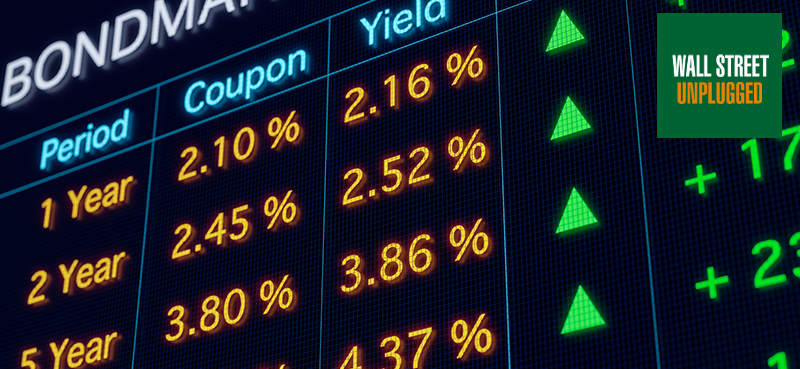
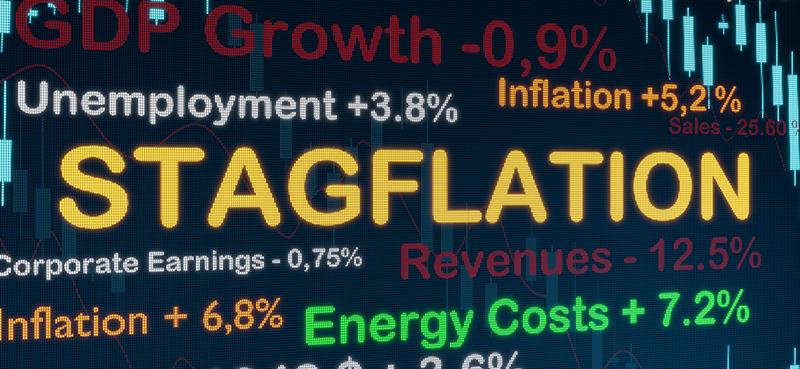
- Inflation is still hot—will the Fed do anything about it? [4:57]
- CoreWeave and Super Micro earnings show AI demand is alive and well [18:18]
- Nvidia’s $500B announcement is great for AI stocks [29:15]
- What gold’s rally says about the Fed’s interest rate plans [35:59]
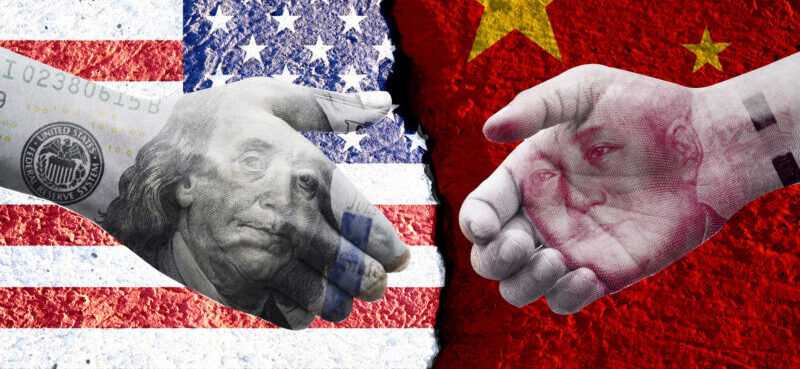
- Think the U.S. dollar isn’t backed by anything? Think again [38:51]
Wall Street Unplugged | 1381
Stop believing this lie about the U.S. dollar
Announcer 00:00
Today’s episode is brought to you by Savvy, the smarter way to book a vacation rental. Travelers save $400 on average; always check Savvy.com first.
Daniel Creech 00:04
How’s it going out there? It’s Wednesday, August 12, and you’re listening to the Wall Street Unplugged podcast, normally where Frank Curzio breaks down and tells you what’s really moving these markets, but he is out of town, leaving me, Daniel Creech, behind the mic today. And you know the drill: whenever I’m behind the mic, we get to talk about whatever the flying Florida I want to talk about. So I’m going to try to entertain you, get you to think, share some perspectives with you, and hit some of the big topics of the day: moving these markets. And markets are on the move as they are continuing to rally around all-time highs. Before we get to that, let’s have some fun with some shenanigans. Is anybody following what’s going on in the WNBA? No? I didn’t think so. But apparently we are confused as to what the W in WNBA stands for, and I just don’t know what to do about all that.
Daniel Creech 01:11
It’s kind of, uh, I don’t know if it’s interesting or entertaining. There’s a lot of ways you could describe this. I guess I want to think that the WNBA, whatever that stands for, is under the impression that all press is good press. And there are people like that. President Trump’s like that. All press is good press. Hey, just keep it going. But that’s pretty odd. That struck me. I’d like your opinion on that. If you guys want Frank and I to go into that in more detail, maybe I’ll come out of retirement from basketball. Just kidding. No, I couldn’t do that anymore. In golf, there was a big cheating scandal in a local golf course tournament where a gentleman, to win a hole-in-one prize, parked his car around 4:00 a.m. by the green, ran out there, put a divot mark on the green, and then put his ball in the hole, only to come around during play, race ahead to that hole, said he had a call from a family member in a hospital, acted like he hit his shot when everybody else came to the green.
Daniel Creech 02:17
He said, “Yeah, I, you know, I hit it up there somewhere.” They get up, hey, hole-in-one, prize, starts to get a little fishy, all that kind of stuff. Now, when you’re playing with cheaters like that, that’s unbelievable. And for. That stuns me. They caught him with cameras. Evidently, the course had some cameras and you could just see him. That’s pretty entertaining. And then third, you can decide which one is silly: the WNBA situation, the golf cheating scandal that is going around social media making me laugh. And then the third, we’ll round this out with the third sport: football, college football. We’re gearing up for football season anyway. If you need a laugh, go and listen to the new athletic director at Purdue. Now, for those of you that aren’t college football fans or interested, stick with me here. You’ll enjoy this by the end. Purdue is in Indiana, is located in the state of Indiana. As the name implies, Indiana University is also in the state of Indiana, and give or take, they’re probably 100 miles apart.
Daniel Creech 03:25
The new AD was giving a little speech introduction, and I was hoping, when I saw this, I was hoping that this was AI. Okay? Got to be careful out there. Evidently, it’s not. This gentleman was trying to, obviously, get the crowd rout up, get them excited, show that he was serious about his new job and position as athletic director of Purdue. And he said, “We’re here to win championships, and that’s the goal.” My gosh, we’re going to win championships. That’s good. So far, so good. A little everybody’s in his corner. And he says, “If you don’t want to win championships, go to Indiana.” Oh, man. Let me explain something on why this context is hilarious. Last year, Purdue in Indiana played in a college football game, and the score was not very close. Indiana won, I believe, 56 to 3, give or take.
Daniel Creech 04:28
Indiana also won the national title. They’re literally the defending national title champions. And this new AD goes up and says, “We’re here to win championships. If you don’t want to do that, go to Indiana.” Why? Because they already are winning championships? What the hell is going on here, people? Anyway. So, a little bit of sports entertainment there between WNBA, golf, and college football. Let me know what you enjoyed most, daniel@curzio-research.com. Now, let’s get to some economic information. And I want to propose a question and share some perspectives on this. Because the Consumer Price Index, CPI, came out this morning, 8:30 Eastern Time. And the number, now the market was already up. The futures were higher in the green this morning before the number hit the print. And what’s wild to me is that earnings are obviously strong. Frank and I have talked about how we have incredible earnings results overall, growing year over year, just, you know, meeting expectations, surpassing expectations that aren’t very low in most cases.
Daniel Creech 05:41
And what I want to ask you here is, the market ignoring this stubbornly high inflation, or is it getting comfortable with this new narrative of, “Hey, maybe the Fed might have to hike rates, or maybe we have to kick the can down the road a little bit until we get a rate cut,” which is what everybody really wants? Or is Mr. Market willing to give the new Fed Chair Kevin Warsh some rope, some length, some time to hear from this mighty task force that we’re getting kind of fished around with? And I think it’s a combination of all three, because as Frank talks about with thesis and catalyst, you know, what’s the next catalyst, what’s going on, what’s the tailwinds or headwinds that markets are fighting? And we have plenty of them, and we’ve talked about several in the past. When you look at earnings continue to be strong, and now you have this stubbornly high inflation. So what was inflation today? Well, it came in as expected, which is very positive. So we go back and forth between bad news as good news.
Daniel Creech 06:46
Hence, last week’s job report on Friday came in at negative. That’s a minus $23,000. All right. Now, why is bad news good news? Because that makes the Fed, and it’s dual mandate, it’s got price stability and full employment. If your employment numbers start to tank, then that gets the crowd, the market, to say, “Hey, maybe they’re not going to focus as much on inflation, and they’ll start focusing on the jobs number.” Key point here is, remember, one in a row is a country song, not a trend here in economics. So we want to take this with some salt. The CPI core, that’s excluding, cutting out food and energy, came in at 0.2%, and that was versus expectations of 0.2%, so that’s good. CPI was 0.1%. That was also expected, meeting expectations. And so the takeaway here is, if you’re a bull and you want to get excited about it, you can say, “Hey, inflation’s about 3.4%.
Daniel Creech 07:47
That’s less than the 3.5% last month. That’s trending in the right direction.” Of course, the other side in the courtroom will object and say, “Yeah, but the goal is 2%. We’re still significantly higher than that.” So what gives? Because markets were in the green, futures were good, they went even higher, and now markets are open, and we’re still holding on to gains. I mean, as I look at this, S&P’s up almost a quarter of a percent, NASDAQ’s up just under a half a percent. And so we’re hanging on there. It did come back off its highs. But I think that Mr. Market is willing to give Warsh a little bit of time on these task force. And Goldman Sachs, big bank, more on them in a moment, they came out a couple weeks ago at the most and said that they thought the Fed was on hold for the rest of 2026 and was not going to hike rates because cutting has kind of went down river. One point on that is the futures, looking ahead to the September meeting.
Daniel Creech 08:48
Remember, the Fed does not meet this month in August, dog days of summer. So the futures went from around 50%, 52%, I’m rounding, as the Fed was going to hold rates steady, and now that has bumped up to about 60. So this report today came in line with expectations, kind of eased a little bit of the fears or headwinds that, “Hey, maybe we’ll get a rate hike.” And since Mr. Warsh has taken a drastic different approach from his predecessor, who still sits at the Fed, Mr. Jerome Powell, they’re not communicating as much. And that’s just going to lead to more volatility. We’ve been saying that. We’ve been correct on that. Obviously, we’ve been staying the course overall because markets are melting up. You got the Dow, you got the S&P, you got NASDAQ, small caps, everything’s up over 10% year to date as we move along into this August. And the issue with task forces, the big task force that I’m looking forward to, and I think is most needed and most important by far, is the one on data and how to gauge inflation data.
Daniel Creech 09:57
Now, Frank has done an excellent job in the past talking about how the CPI has changed several times. And there’s people that do great work and track it and say, “Hey, here’s what inflation would be if they never tinkered with the numbers or how they collect it,” or not collect it, excuse me, but how they measure it, and what they give different weightings to and such. And I’ve talked several times on this program and others about true inflation. And I think true inflation is absolutely incredible. I’m not saying it’s the gospel. There’s only one gospel, people. I’m simply saying that when you look at, and just to rehash and catch some new listeners up, or if you missed this the last time, when you look at gathering data and how our government does it to produce these figures, stats, numbers like CPI and such, obviously these are market moving. These are extremely important. And therefore, the process on how this is gathered needs to be understandable, not necessarily for everybody, because not everybody cares, and it’s not everybody’s bag.
Daniel Creech 11:00
But we’ve talked about how large estimates, essentially guesses, are that go into these numbers. And then, just like I’ve continued to pound the table on the ridiculousness of our politicians and spending and how they measure different things, I did it in the last administration, I’ll do it in this administration, the revised numbers that come out either on jobs reports or anything is just astronomical, and they’re getting larger and larger. And so you can remember hundreds of thousands of jobs getting revised lower through the past administration and the current administration. And it’s just absolutely ridiculous that this process is the way it is. And so when you look at true inflation, they’ve come out and they’ve been pretty spot on on, they put out their data and information beforehand and then match it to the CPI and they say, “Hey, here’s what we’re seeing, here’s what we think the CPI is seeing.” And I want to make a couple of points here because, as I just mentioned, the CPI, according to today, looking in the back, in the rearview mirror, is running 3.4%.
Daniel Creech 12:02
Let’s just use 3.4%. This is as of August 10th, so two days ago. Now, obviously, it changes in real time, but let’s just stick with this for conversation purposes. As of August 10th, True Inflation’s real-time US inflation index stands at 2.26. You didn’t misunderstand me. 2.26 versus the CPI of 3.4 according to the BLS. True Inflation’s 2.26, heck of a lot closer to the 2% target, is actually up from 1.84% in mid-July, a month ago, give or take. Okay? And the point that True Inflation is making is that they are using better, more efficient real-time data to be able to track the actual price movements of things and to help with inflation. And you don’t have to wait this lag time of, say, six weeks.
Daniel Creech 13:02
And then you have these seasonal adjustments and all kinds of stuff. It just muddies the water so bad. And True Inflation here, and I’m just looking at a recent email, they watch 15-plus million price points every day, and that actually gives a better picture into what’s happening in the economy right now. And they give a great example on, “Hey, what is the information that the government is using? What is it really gathering? What is it really showing?” Because it’s not showing real-time. And maybe you should say, “Well, hey, we understand that there’s a lag. You can’t be in driver mode on a video game and being on the street.” Okay. But what is it showing? And it’s not capturing what the actual prices people are paying. And I would argue it actually shows, it’s a mixed bag. It shows some things that are worse and some things that are better. And obviously, the big elephant in the room here that can really sway the CPI numbers in the short term is energy prices. And since energy prices, since the Iran war between us and Iran and Israel and whoever else is getting involved here at times, has turned oil into a meme stock.
Daniel Creech 14:09
So we’ve seen it go from under 70 to over 100, back to around 60, back to 90. And that True Inflation does a great job explaining, “Hey, we already saw the uptick in inflation and energy prices.” And if you just keep looking at the CPI data, which I may go over tomorrow and tear into some numbers if it’s educational in a sense, but they’re still showing energy lagging for the most part and not seeing this recent uptick. And I just thought that was, I wanted to tip my hat to True Inflation there and point that out to you guys, because I know a lot of you guys are following this and do your own thing, and I always appreciate that feedback. Now, I say all that because I do think that it’s key to understand how this process of gathering data and try to get it in real time. And I’m going to go out on a limb here, and I definitely think that the task force that’s in charge of this data gathering and process and seeing what they do and what they’re measuring is going to come back and say, “Listen, this thing is a horrible system.
Daniel Creech 15:11
We need to revamp this.” Now, how is that going to be interpreted from the street? Well, okay, outside of more volatility, you’re going to see the political arena get hotter and heavier. Because if, and again, I’m off the beaten path here, I’m down on a, I’m going out on a limb here. If Kevin Warsh’s task force comes back and says, “Hey, we need to revamp this and do this process differently,” that is going to get, in my opinion, extreme pushback from the other side. Because any change is negative. It doesn’t matter if it’s trying to be more accurate, what the intentions be darned. Okay? It’s going to be met with skepticism and essentially this, “Hey, you’re moving the goalpost.” So it would be the same as saying, “Oh, well, we’re heck bent on getting to 2% inflation,” and then coming out and say, “Actually, our new goal has been met because our new goal is between 3 and 4% and we’re there.” Voilà. Anything could happen. But I do think that that is really worth paying attention to because the task force is going to come back, hopefully at the end of this year.
Daniel Creech 16:15
I don’t think it’s a big coincidence that Goldman Sachs is, I’m not speaking for them. I’m simply saying when I saw the headline that Goldman Sachs expects the Fed to stay on hold through the remainder of this year, that’s immediately where I went firsthand. I just thought, “Hey, they’re on this task force highway as well, and Warsh can buy some time with waiting on them and communicating that in a manner that I think he’s going to practice.” He’s a great politician. He’s not a silly guy there. So I got to give him credit on that. And I think that that takes us through the end of the year as long as we keep getting favorable, and I’m not saying I’m okay with it. Take Daniel Creech out of it. I’m simply saying the market is interpreting this as favorable in line with expectations, and that’s what’s key, and it’s going to continue to push markets like that.
Speaker 2 17:04
Before we go further, Savvy is a vacation rental disruptor. So you might remember my interview with CEO Eric Goldwire, and this is a person that had two huge exits in the vacation rental space, bed and breakfast.com and Turkey Vacation Rentals, and has been in this industry for over 30 years before Airbnb and Vrbo even existed. Now he’s come off the sidelines to create Savvy. And this is after he booked a trip for his family through another vacation rental platform and getting blindsided by the huge markups and fees, you know exactly what he’s talking about. Now at Savvy, it’s an online direct booking marketplace without those massive fees, which travelers save on average $500 with professional hosts dealing exactly with them and exclusively with them on every single listing. And the best part about savvy.com is when you book your vacation rental, you’re going to see these savings in real time as you’ll see the exact same listings on competitor sites and the discount you’ll get from booking through Savvy.
Speaker 2 17:54
So if you’re going to go on vacation this summer with the family, check out savvy.com. And when you book, use the link savvy.com/wsu, that’s S-A-V-V-Y dot C-O-M backslash W-S-U, which stands for Wall Street Unplugged, which will get you an additional $50 in savings when you book. Think about it. What would you do with an extra $500 when you’re on vacation?
Daniel Creech 18:16
And so again, markets are still in the green. Now, the other reason markets are in the green is because we have CoreWeave, a couple of earnings here. Let’s check in on some of these friends. So we go over to Finviz. This is kind of a nasty chart bouncing around, but it’s up 18% today, CoreWeave. And then you also have Super Micro Computer. Talk about a volatile stock here. This has had some issues with prior management or smuggling chips and all that kind of thing. This is up double digits over, up around 13%. And this is helping keep the AI bull thesis intact. And what I mean by that is, obviously, the expectations for AI are rising because we’ve talked about the excess capital being spent. You have some free cash flow worries. Google went free cash flow negative for the first time this past quarter. And you have all this debt getting taken out, and everybody’s raising capital to spend and build out this AI.
Daniel Creech 19:23
And it is totally okay for investors to question and say, “Hey, is this all going to be worth it? At the end of this rainbow, is there a return on investment? Is there return on equity? Is there return, is the growth there, etc., etc.?” And again, one earnings report doesn’t mean it’s the new normal, but I will say that this had to take away a lot of fears. And starting with CoreWeave. So they beat estimates. That’s not the key there. The key is they raised estimates going forward. So Q3 revenue guidance is 3.45 billion to 3.6. That’s higher than the street at 3.42. And again, the beat does matter, the difference in the guidance versus expectation. But what I’m focusing on here is that because you have a situation where everybody’s paying attention to AI, you need strong demand, you got to make sure that this is improving either margins or backlogs or something. And so the idea that they raised above estimates is really the key takeaway.
Daniel Creech 20:25
I’m keeping this simple for me. Revenue backlog is $104 billion. That’s up 246% year over year. And that excludes, here’s another key point, okay? If you’re taking notes, that excludes more than $25 billion of new customer commitments they signed in early Q3. So right at the end of Q2, which they just reported, boom. In the start of Q3, they got 25 billion in commitments right off the bat. And that’s not even including the 104 billion in revenue. Okay? It also raised its annualized revenue run rate to between 18.5 and 19.5 billion. It upped its power on how much it is expanding its power there. And it also talked about margins and increasing, now it’s not profitable. It also talked about how the margins are getting better and its ability to build out this infrastructure and get backings from Nvidia’s and such like that.
Daniel Creech 21:26
So definitely helped with some of the headwinds and nervousness on AI. Then the CEO and trader in Trotter, I don’t know how to say that. I apologize for butchering that. He was on CNBC this morning, and he talked about how operating margins are going to go back to the mid-teens. Okay? So as you build out, that could kind of cut into some margin cost. However, he expects that to revamp. Another plus on the, or another check on the plus side of this plus and minus T chart thing we want to do. Here’s another key that I haven’t, I don’t know if it’s getting picked up as much in the media as I believe it should, so I want to expand on this a little bit. He said that GPUs are going to have a longer life than anyone anticipated. And we briefly touched on this. I believe it was last week or the week before. It was recent because it was comments from Andrew Jassy of Amazon and talking about how they raised their capex from 200 billion to 220 billion for the year.
Daniel Creech 22:29
And he was explaining through the conference call about, “Hey, we’re building out these data centers essentially for two years. And then we don’t hire all, we don’t buy and invest in all the GPUs and such until we’re getting ready and we have firm orders or demand for it.” And no doubt, I thought he did a great job in what he was, what I think he was trying to do. I think he did a great job. And that is trying to kind of massage and tell the street, “Hey, this isn’t as crazy as it may sound. Yes, we’re spending, and we are pedal to the metal, going full X, capex, building out materials, infrastructure, and all kinds of stuff.” But I think he was trying to say, “Listen, we’re not just shooting from the hip here. I mean, there’s going to, not everything’s going to work out. You’re going to have winners and losers. That’s fine. We’re going to push chips over and see how they fall.” What he is saying is that they do have a plan on this and they are seeing return efficiencies, etc., already because of AI.
Daniel Creech 23:25
And you can sprinkle that across different divisions. With CoreWeave saying this, this just builds on Anders Jassy’s, and he was talking about getting their money back in a couple of years. The longer life than anyone anticipated is another big key thing to focus on, or another reason to focus on this is because fame short seller or money manager Michael Burry, who made a name or a bigger name betting against the housing crisis, has been saying, and kind of, I don’t want to say, well, you can say kind of yelling and pulling the fire alarm on, he thinks that hyperscalers are incorrectly, let’s say, depreciating the GPUs and chips out several years, much longer than their life expectancy. So Michael Burry says, and I guess I shouldn’t say that. I don’t want to say, I don’t want to quote him. He’s essentially saying, “Listen, they are stretching these GPUs out, the life of them to say four, five, six years, when really it should be two to three years.” Now, time will tell.
Daniel Creech 24:34
I’m not trying to say, “Hey, this guy’s right or this guy’s wrong.” I’m simply saying the market is figuring this out. And comments from Andrew Jassy and comments from CoreWeave CEO this morning point to the fact that maybe Burry is incorrect on that, and it’s not that big of an issue. And why does Burry say that? And it’s fine to be critical, and it’s a good question to ask, but you have to be prepared for the answer. And if these guys are giving you the answer you’re not anticipating or you don’t want to hear, well, that’s too bad. That doesn’t mean that you’re, that doesn’t mean they’re wrong. Burry is essentially saying, “Listen, if you’re depreciating these assets over a longer period of time, that’s actually artificially boosting your earnings because you’re not taking out as much money from today as you should be. You’re expecting the life of these chips to be many years, when indeed it’s not going to be.” Again, we have to wait. Tom Petty, waiting is the hardest part. But I thought the recent comments are key because if the GPUs last, life expectancy is a handful, five years, let’s say.
Daniel Creech 25:39
That’s better than a lot of people are anticipating. It’s not as good as some are promising, but it’s better than kind of what the market sentiment is. And that will be extremely bullish, in my opinion, for the ongoing growth and trend that we see in AI. And that’s going to kind of, a rising tide lifts all boats. CoreWeave also talked about how Nvidia financing is affirmation to its business model. And its business model is to, again, build out AI infrastructure and get compute capacity to all the big dogs and hyperscalers. It has, and it talks, the CEO talks more about power and such. And I just, I thought that was very impressive. Also helped put some ease into the market. Then you go to Super Micro. Okay? Let’s pull up. So I’ll switch this back over here. Again, still, okay, it’s up 12.5% now. Now, these guys showed expansion across other products other than GPUs.
Daniel Creech 26:39
And they talk about memory, and they talk about compute storage, upgrading compute, storage, network infrastructure. And essentially, it’s this expansion from just trying to build the shell, just trying to put Nvidia’s best chips in there. And now they’re trying to, they’re seeing this migration and expansion of all kinds of things, and the revenue is coming in. So again, more impressive numbers because revenue was up 93% year over year and 9% from last quarter sequentially. So quarter to quarter, you saw a nice increase of 9% year over year for Q4. Excuse me. Yeah, because they reported Q4. And year over year is 93%. Margins are increasing. AI infrastructure demand continues to be crazy. Record backlog of more than 60 billion of new Q4 orders. And it’s just talking about sustainability. Again, this stock’s had some other issues with management and with chips and things like that.
Daniel Creech 27:41
The core takeaway here is the demand is still through the roof. And thinking that this is going to change, the demand and all the backlogs, and etc., to think that’s going to change in a quarter, I think is misguided. Now, my crystal ball’s over there. But as this is getting built out, and as companies are seeing expansion across products, like I said, the biggest takeaway from Super Micro to me was just away from GPUs, not away from it, but also including in other areas where it’s enterprise and revenues were really growing in different places because of the compute, storage, and memory, and all that kind of stuff. And that is key because yes, the bar is elevated, expectations are high, but you can’t argue with results. And results are showing you that this is real and this is absolutely crazy. Now, in addition to solid earnings, you have capex continuing to be crazy.
Daniel Creech 28:47
You also have Intel, it’s his latest, in addition to capex, excuse me, you have companies raising equity. So you also have debt, that’s one thing. Then you have equity issuing more shares. Hey, you could be diluting and are diluting current shareholders. Intel went to the market, raised $20 billion, started at 15 in the headlines, got upsized to $20 billion, excuse me. And then, as if everybody is not a little bit on ice, Nvidia says, “Hold my beer.” And Nvidia comes out two days ago on the 10th, and it announces that it is partnering with the big dogs of big dogs. We’re talking about Apollo, private credit. We’re talking about BlackRock, the largest asset manager. We’re talking about Blackstone and private equity, Brookfield, Goldman Sachs, of course, the, we’ll just keep it at Goldman Sachs and KKR, to establish this AI compute infrastructure financing platform up to $500 billion.
Daniel Creech 29:56
Now, $500 billion in perspective, this year, hyperscalers are spending over $700 billion. Evidently, that’s projected to be over a trillion next year. So we’re not talking no money here at the $500 billion. Let’s put some salt on this. Put this into perspective. Nothing is happening just yet. This is just kind of agreement or understanding right now. And the other thing here, two key points I want to make. The $500 billion, $125 billion of this, 25-ish percent could be backstopped by Nvidia. Because I was thrown for a loop when I read this headline and I skimmed through this thing. I thought, man, these guys are putting their money’s where their mouth is. And these big dogs are going to come in and start financing this and everything. That’s not the case. Okay? BlackRock, Blackstone, those guys aren’t putting their own money in as of yet or as of this press release. They are simply going to go to their clients and other third parties, and they’re going to raise capital there and then manage it.
Daniel Creech 31:01
So who’s a big winner here? Well, obviously, Nvidia is going to be a winner because AI revolves around them. They’re the king of AI with the chips and the infrastructure and such like that. So they’re going to continue to see massive demand that they’re already seeing. Then you got the BlackRocks, asset managers, where they’re going to take fees, and then they’re pound of flesh across everything, wherever they can. So everybody that is named here, these big private equity firms and these big asset managers and such, now, this is going to be very positive for them. And if you skim through this, everybody kind of gives a little bit of a shout out and about how this infrastructure is being built out. And I’m not dogging on them. I’m simply saying this is not KKR putting their money in yet or Goldman Sachs yet. Now, what could happen is in further press releases or as news kind of unfolds and we get more details, maybe they do some of that in the future.
Daniel Creech 32:03
Maybe they use the backstopping of Nvidia to partner and do things and get exposure to this. That would be the best, most beneficial thing in my opinion, because it’s great to see the biggest and smartest guys in the room to put money into this build out. Okay? And so Nvidia is definitely a clear winner, and all these guys that are named are going to be clear winners. And then if you want to go a step further and think, okay, well, does this just go across the board from power to suppliers and all through the supply chain? Well, I’m not sure about that. And I’ll continue to think about this, but right off the top, if any kind of large sums of money happen quickly, let’s say they do $100 billion or raise $150 billion or whatever of this 500 goal, then it’ll be interesting to see where those, where that compute and where that infrastructure goes to. And the easy low-hanging fruit is obviously the big dogs that are taking all this, which is Anthropic, OpenAI, and SpaceX.
Daniel Creech 33:09
And SpaceX, I believe, just released another version of Grok, their AI model. And two of those three aren’t publicly traded. Obviously, SpaceX is the only one out of those three. And I would think that that is going to be looked at as a tailwind and another positive for SpaceX because they’re already, they’re massively building this out. They got a lot of things going on over there. But Frank mentioned that, and he hit that nail on the head. Kudos to him. I’ll have to remind, remember, excuse me, to give him credit when he gets back because last week he was talking about how he would look to be buying SpaceX around those levels. And I know it’s pulled back some, but it had a great stellar days after that. He almost, if not, picked the bottom there. And I just think that this is a great announcement. It gets everybody excited from one perspective. Now, the other one is this circular financing and, hey, basically Nvidia is just finding a loophole to get off of its balance sheet and do this circle financing, network financing.
Daniel Creech 34:18
Again, in my opinion, it’s okay to be a critic and criticize some things. So is this a little bit of circular financing? Absolutely. Is that the end of the story? No, because you have such demand right now that the market is going to figure out how to meet that demand. And you’re going to see a lot of interesting levers pulled and maneuvers made. I’m not too concerned about, hey, we’re raising money just to give it back to Nvidia or borrow and all that kind of stuff. I do think I’m in the camp that demand for AI, for compute, for infrastructure is so high and so strong and will remain so that I’m not completely ignoring the financing setups. I’m just simply saying that’s not, if you want to say, hey, this is all a bubble and this is going to end soon, I don’t think that this ends it right now. I’m not saying ignore it. I’m not saying this isn’t something to put in your hat and look at later. I’m simply saying I don’t believe that this story is ending right now.
Daniel Creech 35:21
I think there’s too many tailwinds. I think demand, we’re still way too early in this story on the demand side to even start doing that. So that’s kind of where I come down on that. Okay, let’s switch gears here because we have a Fed that is going to meet next week. We’ll get another CPI and more inflation readings and such. And so I want to point out, and I want to switch here and talk about gold and Bitcoin, but I may talk Bitcoin more tomorrow, but I really want to talk about gold for a few minutes. And let’s look at a chart of gold here on Finviz. And you can see, obviously, this is the big amazing rally and run up to the 54-ish, 5500. Hard sell-off, dip. Okay, sells all the way down to around the $4,000 level here. And now it’s starting to rally. And it has rallied nicely back up to this 44-ish level.
Daniel Creech 36:22
What is gold telling us by rallying when we’ve had these expectations of Fed rate hikes, possible slowdowns and nervousness over all this capex and AI? Now, Frank’s not here to rant about gold, so I will. I put gold in the O bucket. And when I think Mr. Market looks at this Wizard of Oz and Willy Wonka situation that we have, House of Cards. I think when gold starts to get nervous or question things, that’s when you’re going to see really upticks and that desire for gold. And the fact that gold, and we’ll see what happens, I would love to see it actually pull back closer to the 4,000, build a base, and then rally off that if this is a new normal or a new uptrend. Because it’s kind of odd that gold would be rallying in the face of potentially higher interest rates.
Daniel Creech 37:23
Why? Well, because as the critics say and the buffets of the world, this barbaric metal doesn’t pay a dividend. It doesn’t do anything. Why in the world would you own gold if you could own a T-bill and earn three, four, whatever percent? Okay. Well, that’s one point to make. Well, you want to own gold because it gives you a hedge, and we’ve talked about this and that and the other. Okay. Gold rallying here, along with gold stocks, I think is signaling up that, hey, the Fed’s on hold. I don’t think if I have to look into and try to read gold’s mind, let’s have some fun here. I don’t think that gold rallying like this is saying that Mr. Kevin Warsh and his task force are going to raise interest rates. Okay? Now, time will tell. We’ll see how this goes. The other thing that gold is doing is it is pointing out the House of Cards that we have and the globe has. And I want to be careful here because I would love to go off the rails and rant here, but I’m going to try to hold back and just rant in my lane.
Daniel Creech 38:26
Okay? I’m going to stay in this crazy lane and not get over to the insane lane. That’s not helpful. Gold, I don’t think is seeing a rate hike. Gold is calling out the situation of our financial country and the globe. And what I mean by House of Cards is everything is just printed out of thin air. But here’s what I want to make sure we are on the same page about. I want you to quit falling for a huge lie. All right? And that is the US dollar is not backed by anything. That is a huge lie. And I don’t want you to fall for that. Now, I, Daniel Creech, have been guilty of saying those exact same things. I say, well, gold, the US dollar isn’t backed by anything because we went off the gold standard in ’71. That’s true. We did go off the gold standard. We do not have gold. We don’t have a commodity backing our dollar.
Daniel Creech 39:26
We just print it like crazy. I can’t even believe we get away with it. On one hand, it’s absolutely incredible. However, that is not true. It is backed by something. And it is backed by the greatest force we have seen, which is the US military. And you don’t have to just take my word for it. You can take the best banksters on Wall Street word for it, Jamie Dimon at JPMorgan Chase. Now, before I get into that, let me just say, the recent intervention, the recent moves taken by the US Treasury and the Fed, Federal Reserve, to prop up the yen, Japanese currency, so that they won’t sell treasuries. They’re the largest holders, foreign holders of US treasuries over a trillion. We already have higher interest rates than our consumers want. If you start having your largest foreign holder sell your bonds, that’s going to push rates even higher.
Daniel Creech 40:28
Obviously, that’s not good. So what do we do? We basically are giving them more borrowing capacity off of what they already hold. We’re stacking debt on top of debt on top of debt that they can’t repay. They won’t repay. That’s just the game. And again, what I want to be careful on is I’m not a doomsday. The world is not ending. Don’t be checking little. The currency, the dollar’s not losing its currency overnight. I’m not calling for any drastic crash. I’m simply saying you do have to understand and have the proper perspective that this is a House of Cards. As crazy as that sounds, my late grandfather is turning over in his grave right now. I guarantee you that it’s okay to have the House of Cards. It’s the world we live in. We are just financial gladiators. You didn’t get to pick the rules or the environment, neither did I. So gold is telling me, if I have to think about what’s gold saying, is that, hey, this craziness in Japan is just rearing its ugly head, and they’re going to have to come up with some new incredible explanation and smart words and blah, blah, blah to say why I just explained to you.
Daniel Creech 41:31
Don’t worry about it. This House of Cards has still got legs to stand on. Okay. Not to mention our debt and deficit spending. I ranted about it in the last administration. I’ll continue to rant about it. We are running the highest deficit this fiscal year, which ends in October for the government, other than the two years during COVID when they were sky-high. That’s pathetic. Just pathetic. It really is. And sorry. Okay. That’s pathetic. Now, let’s get back to this. Do not fall for the lie. The dollar is backed by nothing. Jamie Dimon was at the Reagan National Economic Forum earlier this year, May 29th, 2026. And he was on with a CNBC anchor, and it was a decent conversation overall. And he even said, I wish I had some sound bites, but you can YouTube it. It’s not a very long back and forth. I think it’s about 40 minutes max. Well worth your time to listen to. And he made some great points.
Daniel Creech 42:32
And he has talked about the dollar being backed by the military. And one thing he said that really stood out to me that I wish would get more press is he says, I’m paraphrasing, but he says, listen, if you don’t think, if you think the US dollar is going to lose the reserve currency, then we have to lose the largest and most powerful military. Now, some of you might be saying, hey, we’re not the most powerful. We can’t police the world. Well, we can. We have and we do. I’m not saying it’s good or bad. I’m simply saying we are the world superpower right now. And that is directly the reason we have the world reserve currency. Hopefully, that is as clear as clear it can be. And so Jamie Dimon is talking about, and he made one off-the-cuff comment, one off-the-cuff comment, easy for me to say, last year where he said, we shouldn’t be stacking Bitcoin. We should be stacking ammunition. We should be stacking bombs. We should be making more. And you got to agree or disagree with him.
Daniel Creech 43:37
I totally agree with him on the dollar being backed by the military. At least he is putting his company’s money up where his mouth is. So JPMorgan has done this $1.5 trillion in pledging over 10 years for all kinds of energy and defense, security, weapons, supply chain, critical minerals, all that kind of stuff. And I loved one of the things he said at the Reagan National Economic Forum, and he said, hey, here’s an IQ test for everybody. He says, everybody can put their money in one country. Where’s it going? It’s going to the US. That’s the easiest. That’s an IQ test. Because we’re the cleanest, dirty shirt. We don’t have capital controls like other countries. We don’t have limitations. I mean, we have limitations. But his point was that is our laws, our system, our incentives are the reason that, and the military, are the reason that everybody wants to invest and invest here or backs with dollars for the most part.
Daniel Creech 44:46
And I thought that was incredible. And then also this year, if you go back, Jamie Dimon did a deal and did not a press conference, but did some media with Senator McCormick of Pennsylvania. And JPMorgan invested over $20 million, and they’re just bringing back more of the supply chains to build ships, ammunition, all that kind of stuff. Now, I’m not telling you, now how can you benefit from this? Well, hopefully, this gives you the proper perspective or view, in my opinion, about don’t let the fears of the dollar being backed by nothing and that lie, because it is, I just explained it to you. Don’t let that impact your investing decision, or at least don’t let it scare you to the sidelines to miss out on gains. The market is clearly climbing a wall of worry. There are tons of things that you can point to and say, this is ridiculous. This is Florida crazy. I can’t believe the market can’t keep going up like this.
Daniel Creech 45:47
I’m going to go sit on the sidelines and lose money to inflation. Well, you can do that. And you can buy bonds and you can buy money. You can put money in money markets and you can win a little bit of that back or earn a little bit of that back because inflation does eat at you no matter what. It’s like a ghost. You can feel it. You just can’t see it. And that’s the big takeaway I want you to have there. Don’t be scared of the naysayers and the sky is falling types because the dollar isn’t backed by anything. It is. Number two, definitely look into defense companies. You can look at Palantir. That’s been an absolute on a tear lately since we took profits in it, of course. You can look at other drone companies. You can look at security companies through software. So at some point, if they’re not, I haven’t looked at the charts lately, but you can even look at the big defense contractors. However, they’re going to be a political football. Trump’s already kind of kicking that with threatening about share buybacks and dividends if stuff isn’t built on time and properly and things like that.
Daniel Creech 46:50
That is just I’m trying to explain to you that that’s going to be an avenue that is going to have tons and tons of capital to flow into it. And defense spending is not going down. And in one awkward, weird way, that’s going to continue to expand and go higher because that is the link to keep the world reserve currency as the US dollar. So hopefully, all that makes sense. Okay. Mañana, I’m also behind the mic. So I will talk more about AI in this compute, some data center stuff. We’re getting up for the midterm, so we’ll have some fun there. Love me, hate me, don’t ignore me. Daniel@curzioresearch.com. That’s daniel@curzioresearch.com. It’s an honor to fill in for the one and only Frank Curzio. He will be back soon. Do not fret. Do not worry. But thank you for tuning in, and we will see you tomorrow. Cheers.
Announcer 47:44
Wall Street Unplugged is produced by Curzio Research, one of the most respected financial media companies in the industry. The information presented on Wall Street Unplugged is the opinion of its host and guests. You should not base your investment decisions solely on this broadcast. Remember, it’s your money, and your responsibility.
Curzio Research publishes market commentary for informational and educational purposes. The opinions expressed and market conditions when the content is published may change. It is not personalized investment advice or an offer to buy or sell securities. Investing involves risk, including possible loss of principal. Do your own research and consult a qualified investment professional before making investment decisions.