

Imagine being able to own a slice of a $100 million commercial real estate portfolio… or invest in a high-value asset like fine art.
These types of investments have historically been out of reach for most Main Street investors.
But now, it’s becoming possible—thanks to “tokenization.”
We here at Curzio Research have been pounding the table on this trend for years. In fact, back in February 2022, we launched our own security token to allow individual investors to participate in our company’s growth.
We were a little early to the party. But now, tokenization is finally poised to take off… and revolutionize how we think about asset ownership and investment.
Today, we’ll look at the major catalyst driving this game-changing trend.
But first, let’s look at what exactly tokenization is… and how it’s leveling the playing field between individual and institutional investors.
What is tokenization?
At its core, tokenization is the process of converting rights to an asset into a digital token on a blockchain.
Tokens allow for fractional ownership, enabling anyone to own a piece of high-value assets previously out of reach. Think of it like breaking a valuable painting into thousands of shareable pieces, where each piece represents a verified, tradable ownership stake.
These tokens can represent anything—real estate, fine art, bonds, and even entire companies. The potential is limitless.
How tokenization levels the playing field
The traditional investment world has massive barriers.
For example, traditionally, you’d need millions of dollars to invest in highly illiquid assets like commercial real estate property.
And early-stage investments in high-growth assets were reserved for venture capitalists and institutional investors.
Put simply, the opportunities for smaller investors to get in on these assets were incredibly limited.
Tokenization flips this script entirely. It opens the door to participation by enabling fractional ownership, faster transactions, and lower costs.
Now, anyone with a blockchain wallet could potentially own shares in a commercial real estate portfolio or equity in a growing startup.
A shift in the regulatory landscape
One of the biggest obstacles to tokenization has been regulatory uncertainty.
Under former Chair Gary Gensler, the SEC waged a war on digital assets of all kinds. It was intentionally vague about crypto regulations… and went after companies (including ours) with any perceived connection to cryptocurrency.
But Gensler stepped down on January 20, the day President Donald Trump—who was vocally pro-crypto throughout his campaign—took office. (It’s worth noting that Trump had promised to fire him, which is what prompted Gensler’s resignation.)
To replace Gensler, Trump has tapped crypto advocate Paul Atkins.
What’s more, Trump is already working on a regulatory framework for digital assets. During his first week in office, he signed an executive order called “Strengthening American Leadership in Digital Financial Technology” and established the President’s Working Group on Digital Assets.
Meanwhile, on the same day, the SEC repealed SAB 121, which prohibited financial institutions from offering crypto custody services.
Put simply, we’re about to see a much more crypto-friendly regulatory environment for investors and institutions alike.
This means clearer rules and more confidence for both investors and companies looking to tokenize assets. In fact, the global tokenized assets market could reach trillions of dollars in the next few years.
The future of tokenization
Tokenization is still in its infancy, meaning there’s significant upside potential—and investors who understand its implications could benefit immensely.
Platforms like tZERO are gaining traction, major players like Coinbase and Ripple are championing the movement, and institutional interest is growing.
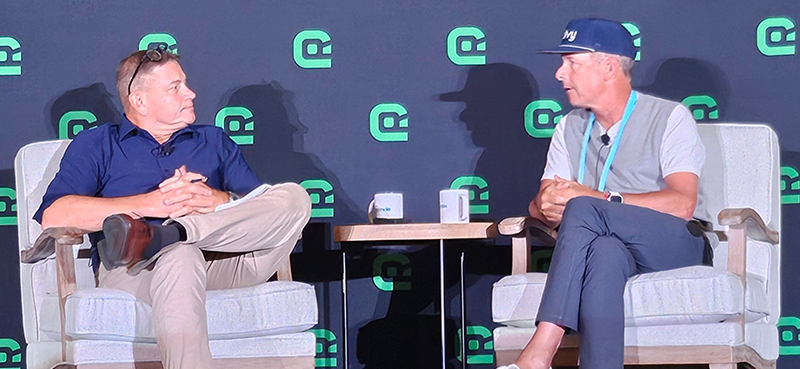
(Frank recently spoke with tZERO CEO David Goone about the promise of this game-changing trend. It was one of our most-watched episodes ever. If you haven’t seen it yet, check it out now.)
The bottom line: As tokenization transforms the financial system—breaking down barriers and creating a more inclusive investment landscape—savvy investors must pay attention… This is a trend you can’t afford to ignore.
Editor’s note:
On January 30 at 7 p.m. ET, Frank and Daniel are hosting a live event, “Becoming a crypto millionaire in 2025.”
During the event, they’ll discuss how Trump’s presidency will ignite a massive bull market in digital assets… and reveal 2 altcoins poised to outperform Bitcoin this year.
Curzio Research publishes market commentary for informational and educational purposes. The opinions expressed and market conditions when the content is published may change. It is not personalized investment advice or an offer to buy or sell securities. Investing involves risk, including possible loss of principal. Do your own research and consult a qualified investment professional before making investment decisions.