

Third-quarter earnings season starts this week… and most investors will be watching whether companies beat their numbers.
But we’re watching something else: guidance.
You see, when a company reports earnings, it shares results for the last three months. Those numbers are already old, because the books usually close a few weeks before the report.
But stocks trade on the future. A company can beat every estimate and still get crushed if the CEO says the next three months look weak.
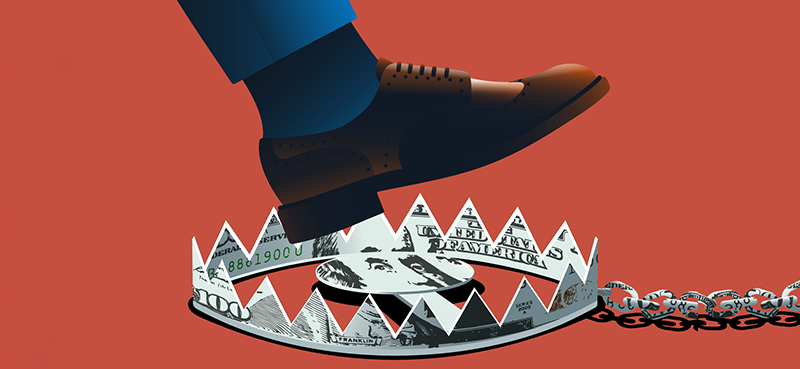
And right now, companies are battling a couple of significant headwinds that are making the future look murky.
Two costs that CEOs didn’t see coming
Over the past few months, two major business costs have risen significantly.
The first is borrowing. The 10-year Treasury yield, which sets the tone for mortgages, car loans, and corporate debt, topped 5.3% last week, its highest level in 24 years.
The bond market felt it. The largest U.S. bond index fund fell 2.6% in September, its worst month in four years. Over the past three decades, only five months have been worse… and four of them were during the bear market of 2022.
The second is diesel. Diesel moves the trucks, trains, and ships that carry almost everything we buy. So when prices climb, nearly every business feels it one way or another.
The national average diesel price hit a record $6.53 a gallon in September, and it’s up over 20% in the 60 days since companies last reported.
Prices are high enough that President Trump signed an executive order Monday aimed at bringing them down.
The timing added another layer of complexity: Costs jumped mid-quarter… after CEOs had already set their outlooks.
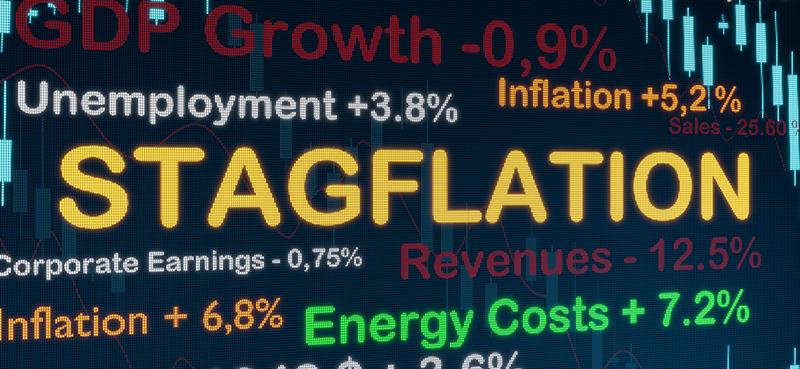
That leaves management teams with two choices: absorb the higher costs and cut earnings forecasts… or raise prices.
The problem is that raising prices takes pricing power—the ability to charge more without losing customers. And consumers have less room to absorb another round of increases. Inflation has now outpaced wage growth for five straight months, the longest stretch since 2012.
Simply put, many management teams could find themselves under pressure to lower their forecasts.
And for stocks already priced for strong growth, even a modest guidance cut could trigger a sharp selloff.
How to prepare
All of this adds more risk to a few specific areas heading into earnings calls, especially stocks trading near their 52-week highs:
- Companies with heavy transportation and logistics costs, including retailers, food producers, and restaurants
- Consumer-sensitive businesses like travel and discretionary retail
- Highly leveraged companies and rate-sensitive sectors
- Housing-linked businesses exposed to higher financing costs
The weakness is already much broader than the major indices suggest. While the S&P 500 remains near record highs, roughly 40% of its stocks are down for the year.
That doesn’t mean investors should sell everything ahead of earnings. But this is a good time to be selective—and to keep some cash available.
If higher costs force companies to cut their outlooks, some great businesses could suddenly trade at much more attractive prices.
Want to see which stocks Frank is watching closely this earnings season? In Curzio Alpha, you get every stock recommendation and piece of research we publish.
Find out if Curzio Alpha is right for you.
Curzio Research publishes market commentary for informational and educational purposes. The opinions expressed and market conditions when the content is published may change. It is not personalized investment advice or an offer to buy or sell securities. Investing involves risk, including possible loss of principal. Do your own research and consult a qualified investment professional before making investment decisions.