- Welcome back, Andrew Horowitz of The Disciplined Investor [0:15]
- Andrew breaks down the market’s non-reaction to the Iran conflict [1:40]
- How the Strait of Hormuz is driving inflation across the board [8:44]
- Why this earnings season is unlike any other [16:01]
- The timing of the private credit crisis was great for retail investors [22:34]
- Is Musk intentionally tanking Tesla? [26:12]
- Hyperscalers need to recalibrate their AI capex [38:35]
- Some of Andrew’s favorite ideas in the market right now [51:08]
- How to attend the second annual Curzio One Wealth Forum [1:01:01]
Wall Street Unplugged | 1341
Andrew Horowitz: How to play the Iran conflict
Transcript was automatically generated.
Frank Curzio 00:00
It’s going out there. It’s Wednesday, April 15th. And I’m Frank Curzio, your Wall Street Unplugged podcast.
Frank Curzio 00:05
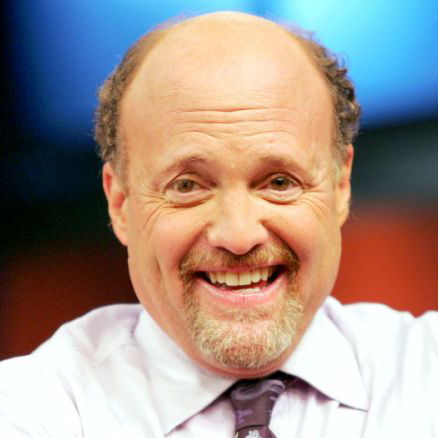
We’re breaking the headlines and, uh, tell you what’s really moving these markets. So I have one of your favorite guests that I’m interviewing today, and he’s, I believe, the only person in our industry that has hosted a podcast longer than me, which is called The Disciplined Investor.
Frank Curzio 00:25
He’s also the founder and president of Horowitz and Company. Andrew Horowitz, what’s going on, buddy? How’s everything?
Andrew Horowitz 00:31
Frank Curzio, how are you?
Frank Curzio 00:36
I ca you know, I have to keep.
Andrew Horowitz 00:37
I was hanging on every.
Speaker 3 00:38
I was hanging.
Frank Curzio 00:40
Just, just I have to keep it at the opening ’cause everybody makes fun of me now, and even my friends. So I’ve kept it, and I just keep it going.
Andrew Horowitz 00:45
I love it.
Frank Curzio 00:46
Going, so.
Andrew Horowitz 00:46
No, I love it. You’re like, you’re, you’re, you’re just, you’re glued to Wednesday. Gotta roll it over. Wednesday, gotta roll it over to the next.
Frank Curzio 00:54
So how are things with you, buddy? How’s everything going? Uh, haven’t I interviewed you on a podcast? I’ve been on your podcast a couple of times and, and glad you’re coming on because we have a lot to talk about. I think so. There’s a little bit of news going on in the markets these days,right?
Andrew Horowitz 01:05
Yeah, a lot going on. It’s, it’s, uh, like, trying to take a sip out of an open fire hydrant. You know, the, the daily news flow, if, uh, markets are going well, it’s quiet.
Frank Curzio 01:14
Mm-hmm.
Andrew Horowitz 01:15
Markets are going kind of, uh, not so well. All of a sudden we have Scott Bessent on. We have rumor about the Straits of Hormuz opening, closing. Uh, we have things that are gonna be trying to pop markets. We have the deal that’s happening. They wanna do a deal. Not us, but they wanna do a deal, of course. So it’s an amazing time where we are market-driven by tweet,
Andrew Horowitz 01:35
social media post, and a lot of the other stuff, in an odd way, really doesn’t matter. We, we take the thing that, Frank, is, is really fascinating to meright now, and, and this is not just a new item. I think this has been percolating in the background for some time, is that, uh, the information that we’re hearing and,
Andrew Horowitz 01:56
uh, trying to figure out what it means has been more important, the, the, in other words, the instant information than the background, uh, information about what’s happening with earnings, spending, CapEx, um, e-even the, uh, economic numbers,right? That’s kind of like, okay, if it’s bad, we’ll get through it.
Andrew Horowitz 02:14
It’s temporary. It’s transitory. If it’s good, well, look at how good things are. So there is a glass half fullright now, and that’s, I think, what markets are running with.
Frank Curzio 02:24
So let’s start with, with the war. I, I, I, I mean, it’s dominating the markets. Uh, yeah, we’re gonna sign a deal today. As of today, yes, it looks good. Uh, yesterday it wasn’t so good. The day before it was good. The day before that wasn’t so good. I’m not even exaggerating. Uh, so it changes,right, the ceasefire. And, and, you know, oil prices are a lot higher because of this. But how do you play this market?
Frank Curzio 02:44
Because, you know, you, you like to trade,right? A-and I’m, I’m more, you know, long term. Uh, and when I look at this, I feel, I see a, a blip in the radar,right? So it, it’s, it’s gonna get taken care of ’cause there’s a solution that works for every single country involved to keep those straits open. Uh, when that happens, I mean, are you looking forward to, okay, what’s the callus that’s gonna drive the market?
Frank Curzio 03:02
Are we gonna see lower interest rates? Is inflation gonna prevent that? I mean, how are you looking at the marketsright now considering, okay, maybe the Strait of Hormuz, it’s going to open, and it looks like things are, are, are going to get a little bit better on that front?
Andrew Horowitz 03:14
The problem is, Frank, with what has happened recently, the destruction. So there’s two types of destruction you can have. You can have supply destruc, destruc, destruction or demand destruction. Demand destruction is what happened during COVID,right, where all of a sudden, uh, nobody was buying everything. Everybody was shut in.
Andrew Horowitz 03:32
There wasn’t a lot of necessary for things to happen. Fuel costs went down because people weren’t driving. Planes weren’t flying. Trains weren’t moving. You know, whatever was involved in all of that. And then we had the same thing, um, happen many other times. But this is much different. This is, uh, in, in a very stark contrast to what happened, and maybe I would say a hundred and eighty degrees the other side.
Andrew Horowitz 03:53
What happened with COVID was the, the, um, uh, you know, the demand destruction. Here we have supply destruction.
Frank Curzio 04:00
Mm-hmm.
Andrew Horowitz 04:01
And the supply destruction is much different. You could pretty much turn a light switch on or off and change the demand. If you have, um, good consumer sentiment, you have a lot of stimulus that comes in, you have lower interest rates, all those things can help out the demand side of the equation. When you start blowing up,
Andrew Horowitz 04:21
like, literally, I don’t mean this figuratively, blowing up a, uh, refining, uh, plant or, or manufacturing facility, uh, pipelines that feed natural gas in either, uh, Qatar or Kuwait or, you know, Dubai, something’s happening,
Andrew Horowitz 04:39
all these things that are actually destroying the ability to make the product, a couple of things are gonna happen. One, we’re gonna find alternatives to it,right? Where are we gonna find that?
Andrew Horowitz 04:50
So while the straits may open up, the question is, what’s gonna actually refill all of those ships that eventually make their way out of there and deliver the oil or whatever particular product from a cargo ship has been, um, supplied before? And that’s my biggest concernright now.
Andrew Horowitz 05:10
So the longer this goes on, the longer you have the strait closed, partially closed, shut down, not really able to get things out, the bigger problem we have. Markets are elated that there’s talk about a ceasefire deal. There’s talk about a deal. I don’t really buy it. I’m not totally buying it.
Andrew Horowitz 05:30
Now, I agree with you a hundred percent, by the way, that the Straits of Hormuz will open up.
Frank Curzio 05:35
Mm-hmm.
Andrew Horowitz 05:36
But will it be too late? And everybody’s focusing on oil and the prices. Why did WTI go up so much compared to Brent? Because we know, and they know, that there was no Brent. The price of Brent went to what, 110, 115 or so, something like that.
Frank Curzio 05:51
Mm-hmm. Yeah.
Andrew Horowitz 05:52
Um, but WTI was higher. And more importantly, Brent for sale at the moment. So different than Brent futures,right? So the futures are sometime in the future. And, and different than spot also. It was trading at 140 in Asia because they needed it. We have two weeks until the,
Andrew Horowitz 06:13
uh, jet fuel’s gonna run out in parts of Europe. Two weeks till it runs out. And we just sent over two major tankers over there. So we’re talking about the potential for shutdowns because of lack of, uh, a particular, um, fuel, and that was Brent. Why did WTI for the first time, I don’t even remember when, go above Brent?
Andrew Horowitz 06:32
Because all of a sudden the, I need it now came out, and we have plenty of WTI ’cause that’s what we make here,right? We have plenty of reserves.
Frank Curzio 06:39
Mm-hmm.
Andrew Horowitz 06:39
Plenty of, of refining going on. But that’s not the problem, Frank. The problem is that there’s a bigger issue that even though oil has come down, it’s still at 95 on WTI/Brent or give or take a couple of pennies.
Andrew Horowitz 06:54
Uh, it’s, it’s my concern is, is that combined with agricultural costs and supply constraints is where it’s gonna be a big issue. And I don’t know if you wanna talk about that, what’s going on there, but that’s, I think, is, is really important.
Frank Curzio 07:07
I mean, oil’s still up 60% this year.
Andrew Horowitz 07:10
Right.
Frank Curzio 07:10
This year. A-and you have cruise lines, some of ’em, I think I heard, uh, Royal Caribbean, the CEO, uh, was on TV saying, “Hey, we have 60% hedge.” Not everybody’s hedged. So even the prices fall to 85 cent. I mean, there has been disruption, like you said, where, you know, Qatar have, you know, getting, you know, ha-has significant damage. One of the largest LNG facilities. And you’re looking at, at helium.
Andrew Horowitz 07:31
40% of the world’s, I think it’s 40, is it 40%, Frank?
Frank Curzio 07:33
Something. Yeah. It’s a third that flows through the straits. But it’s amazing when you notice statistics and you start learning about, like, helium, like, holy cow. But, like, there’s a grade of helium that can’t be produced through shale that, a-and that’s, it’s not frozen or refrigerated. These boats have a certain timeframe, I think it’s around now, to get them through, or that’s gonna disappear into the air,right? So it’s not like LNG.
Andrew Horowitz 07:55
And, and helium’s not just used for balloons and making your voice higher.
Frank Curzio 07:58
No. Massive in semiconductors. A-and we’re already seeing supply disruption when it comes to, to, uh, you know, memory prices. Holy cow,right? So if you look at some of those companies, there’s just, there’s so much of this, you know, supply, uh, disruption that, that’s going on that we learn, and it’s, it’s fertilizer prices,right? Urea, whi-which, you know, CF Industries was one of the best players on this,
Frank Curzio 08:16
and we were really early on that, uh, a-and just, you know, during planting season,right? So it’s used to increase crop yields. 30% of it flows through. So, you know, ha getting this open i-is important. I think it does. But just getting everything back to normal is a different story,right? And that’s where you’re really going with this.
Andrew Horowitz 08:31
Right. Right. Well, let me, let me, let me, let me put on my glasses, Frank, when we talk about that.
Frank Curzio 08:36
Oh, me too. I got, I, yeah, I know.
Andrew Horowitz 08:37
Yeah. It’s gonna.
Frank Curzio 08:38
Ah, you just made me feel so great.
Andrew Horowitz 08:39
No damages.
Frank Curzio 08:39
‘Cause I feel like I’m so old now. So, yeah.
Andrew Horowitz 08:41
My wife hates these. She says, “Those look like make you look like an old man.” I’m like, okay. Uh, here, let me give you some numbers here and, and read this to you, okay? Tomato, tomato. So, so let me set the stage.
Frank Curzio 08:51
Mm-hmm.
Andrew Horowitz 08:52
In the early part of the year, we’re talking, uh, December, January-ish.
Frank Curzio 08:56
Mm-hmm.
Andrew Horowitz 08:57
Where does all this, uh, where do we get a lot of our fruits and vegetables from? From Florida, because it’s warm. There’s not a lot of states in the country that are warm that time of the year.
Frank Curzio 09:07
Mm-hmm.
Andrew Horowitz 09:07
A-that are, that are involved in agriculture,right? So a lot of the flow-through for agriculture in the beginning of the year, uh, pre-spring planting season comes from Florida. Listen to this. Because of the freezes and frosts, you know about that. You were, you were, uh, looking at icicles for a few days up there.
Frank Curzio 09:25
Absolutely. Yeah.
Andrew Horowitz 09:26
Tomate, tomato. So an 80% production loss on the remaining crop that they have, wiping out about $164 million in total crops. Sweet corn, devastated, up to a hundred percent loss in many cases, leading to about 255 million in damage. Bell peppers took an 80% hit or so, costing about $108 million. Squash.
Frank Curzio 09:46
Mm-hmm.
Andrew Horowitz 09:46
Losses about 90% in certain areas, 24 million. Potatoes, about a 75% loss. Cabbage, 40% loss. And, um, a lot more that was going on. Now, here’s what the problem is. Even though some of them froze, the rest of the yield was stymied because they got stunted during the growing process,right?
Andrew Horowitz 10:07
Now, fine. That’s over. Great. Let’s move on. Okay. But you, as you mentioned, about 40% of the urea, that is a nitrogen-based, uh, fertilizer that passed through the Straits of Hormuz.
Frank Curzio 10:18
Mm-hmm.
Andrew Horowitz 10:18
And the problem is that’s stuck. So we’re relying on, like, a company like you sent, CF Industries, great company. We own that also. Um, and it’s up dramatically and has a great deal of variability depender, depending on whether the straits are open or closed,right? It’s, it’s trading pretty aggressively. So now, uh, we’re entering the spring season for planting,
Andrew Horowitz 10:41
and we don’t have the fertilizer that we need. The world doesn’t have all the fertilizer that they need. No wonder that you see that tomato prices have gone for cases from, in some places, from $20 a case up to $80 a case.
Frank Curzio 10:55
Insane.
Andrew Horowitz 10:55
This is a big problem. Now, of course, it doesn’t show through in the core PPI, core CPI numbers because that strips out food and energy,right?
Frank Curzio 11:04
Mm-hmm. I love that though. Let’s strip out the two most important costs to every consumer and business in the world. We’re gonna strip out that. It’s like, it’s like, let’s take out the engine out of the car and, and, and without the engine, this is how much the cost. It’s like, what? Anyway, I guess.
Andrew Horowitz 11:18
It’s ridiculous.
Frank Curzio 11:18
Yeah.
Andrew Horowitz 11:19
No, that’s the exactly point. So we saw a PPI number come out today. It came out, uh, 0.5% on a month-on-month basis. Expectations were somewhere between, those are wide range, 0.8 to 1%. That’s interesting. The last one was also revised down.
Frank Curzio 11:32
Mm-hmm.
Andrew Horowitz 11:33
Um, from what, point, uh, 0.7 to 0.5. I find that kind of interesting point. Now, here’s what’s also a head-scratcher. Core, core PPI that came out, uh, just yesterday.
Frank Curzio 11:45
Mm-hmm.
Andrew Horowitz 11:45
Was, um, 0.1% in March.
Frank Curzio 11:49
Mm-hmm.
Andrew Horowitz 11:49
And, uh, that was below the 0.4% consensus expectations. Now, under normal circumstances, we would be like, oh, what’s happening here? Because if you did not have that energy component in any of this and there wasn’t any of this other stuff going on, we would start thinking about, we have a deflationary condition starting to happen here because, you know, we’re really down dramatically.
Andrew Horowitz 12:10
I think the problem is that the high cost of fuel caused people to slow down on demand. So now we have a combination of demand that is starting to diminish and supply that’s being destructed. I don’t know. It seems like an interesting condition. I will say one thing, and I’ll, and I’ll stop on this.
Andrew Horowitz 12:31
You asked in the beginning, what are we doing? So one of the things we’re doing is we put some hedges on last couple of weeks. Nothing major, but some hedges, probably costing us about 1% on our portfolios now. Not a big deal. On our global allocations, we, a couple of weeks back or so, um, took down our equity position slightly.
Andrew Horowitz 12:51
Uh, and more importantly, ’cause we had an overweight o-on equity. So we took it back down a little bit. And, um, more importantly, we took our bonds and took duration out. So anything that was in the intermediate-term bonds, we put ’em in the short-duration bonds, fe-feeling that, a-and some in, in, in money marketsright now,
Andrew Horowitz 13:09
some of the, we rolled over to money markets to keep it all short because I don’t necessarily buy that this all over. Now, yes, the S&P is back to where it was.
Frank Curzio 13:20
Pretty.
Andrew Horowitz 13:20
Before the war, which is fascinating.
Frank Curzio 13:22
It is fascinating.
Andrew Horowitz 13:23
We’re not looking at any of this stuff that’s going on here,right?
Frank Curzio 13:25
Mm-hmm.
Andrew Horowitz 13:25
We’re not looking at any of the higher cost, a-and, you know, uh, just the fact that oil’s at 95 should be an issue. So I still think there’s a lot of issues. There were a lot of things that were oversold, and we’re seeing that short covering going on. You know, you look at software stocks and you look at, uh.
Frank Curzio 13:40
Semi’s.
Andrew Horowitz 13:41
Um, semis were, were, were oversold.
Frank Curzio 13:43
Semi’s, AMD, I mean, yeah, semis, energy, AI.
Andrew Horowitz 13:45
AMD had one of the best runs. Intel had one of the best runs, a 58% run in the last, like, week.
Frank Curzio 13:50
Yeah.
Andrew Horowitz 13:50
One of the best runs it has had in history. Um, SanDisk up 300% for this year. Uh, Western Digital doing great.
Frank Curzio 13:56
Yeah.
Andrew Horowitz 13:57
Microsoft still in the doghouse, but coming back a bit. Oracle getting a big return recently. I mean, you’re seeing that some of the things now, i-it feels to me like a, a short cover. That’s what it feels like to me.
Frank Curzio 14:08
You know.
Andrew Horowitz 14:09
But the good news is you can participate.
Frank Curzio 14:12
It feels like the short covering, but I did see a note from yesterday. Uh, Citi upgraded US equities to overweight, downgraded emerging markets, which have been on fire before the war started. Uh, BlackRock returned to overweight view on US stocks. Uh, Bank of America.
Andrew Horowitz 14:27
Yeah. BlackRock throw out, throw out BlackRock. BlackRock is, of course, they’re gonna say that. You know, they were neutral for a while. Now they’re back to overweight or whatever it is for five minutes. They’re always gonna be overweight. They have how many trillion, $17 trillion of assets?
Frank Curzio 14:38
Something like that. Yeah. It’s, it’s insane.
Andrew Horowitz 14:40
Yeah. Disregard that.
Frank Curzio 14:41
Yeah. A-and then you have, uh, Bank of America is showing investors with the most bearish since June, which is a contrarian,right? Saying, saying, yeah, that they’re on the wrong side here, and, and you’re gonna see the FOMO trade coming out. So it is interesting because you have, I, I always felt like the markets go well when you have this side where I’m not too sure. I think I’m bullish, but I’m not bullish.
Andrew Horowitz 14:58
Mm-hmm.
Frank Curzio 14:58
When you see people all the way leaning to one side, you’re talking about saying, and I’m the same way. Now I actually took some profits in my portfolio this morning, uh, that’s just done very, very well. I have Bloom Energy in the portfolio, just a lot of great names in the portfolio that have went up and, you know, just significantly over the past week or two. And, but you have this, you know, back and forth, almost like the Goldilocks,right?
Frank Curzio 15:19
When you have the, you know, not too hot, not too cold kind of thing. And, you know, it’s interesting to see where we’re gonna go after this because, you know, we’re assumingright now that the markets, that the strait is gonna open up and that’s gonna start this de-escalation process. That’s what we’re assuming. We don’t know if that’s gonna happen. Then what lead, then what’s going forward? Then let, let’s get into earnings season. I mean, we just saw the bank’s report earnings.
Andrew Horowitz 15:37
Right.
Frank Curzio 15:37
And we’re gonna see, uh, Bank of America. Uh, but you look at JP Morgan, Wells Fargo, Citigroup, and I do this every quarter.
Andrew Horowitz 15:44
And Goldman. And Goldman too.
Frank Curzio 15:45
And Goldman. But just the four major banks, and not even including Goldman ’cause Goldman had a record number as well. When you look at these banks and people tell me that, you know, you have to worry about derivatives, you have to worry about the amount of debt, you have to worry about the private, private credit, which we’ll get to in a minute. Uh, you look at these four banks and we’ll look at Bank of America at the time of the report. I-it’s gonna be 125 billion in sales between the four largest banks,
Frank Curzio 16:06
JP Morgan, Wells Fargo, Bank of America, and, and Citi, and over 35 billion in profits for the quarter,right? For the quarter. Not for the year, for the quarter. Uh, net interest income is through the roof because they charge zero on deposits, which is 11 trillion, and lend it out for whatever credit cards and, and mortgages and stuff like that.
Andrew Horowitz 16:25
Right.
Frank Curzio 16:25
Uh, but you’re looking at earnings, good start to earnings season so far. But when you really look at the numbers in earnings season, we’re expecting this massive, massive growth to take place. And I guess let’s start there ’cause we always talk about earnings. I think you and I, when it comes to earnings, and we break this down, we may have been wrong. Whenever we doubt earnings or doubt consumer spending, I feel like we’re oh, for a thousand.
Andrew Horowitz 16:44
Yeah.
Frank Curzio 16:44
Other than COVID.
Andrew Horowitz 16:45
At least.
Frank Curzio 16:46
In 2008,right? But, you know, expectations for earnings are incredibly high. And if you wanna know how high, we’re expecting growth of 12.6% for this quarter. We just started. However, do you know what we projected to grow earnings in Q2 and Q3 on average? Do you know that number? It’s 20%.
Andrew Horowitz 17:02
The, the average growth, how much?
Frank Curzio 17:04
Average growth in Q2 and Q3. It’s at 19% and 21%. So the average growth the next two quarters on earnings is gonna be 20% with sales growth of, of around 9%. Those are sky-high estimates. I don’t know if that’s factored in or not, but for me, with geopolitical risk, it seems like we have a lot of risk on the table beating those estimates.
Andrew Horowitz 17:24
So when you say doubt the consumer and doubt the earnings, a couple of things. First of all, the Michigan, University of Michigan Consumer Confidence Index came out Friday, last Friday.
Frank Curzio 17:32
Mm-hmm.
Andrew Horowitz 17:33
Uh, the lowest, the lowest.
Frank Curzio 17:35
Mm-hmm.
Andrew Horowitz 17:35
Hear me, Frank, in history.
Frank Curzio 17:37
In history.
Andrew Horowitz 17:37
The lowest.
Frank Curzio 17:38
Mm-hmm.
Andrew Horowitz 17:38
In 70 years of them putting out this index, it’s never been lower.
Frank Curzio 17:42
Hmm.
Andrew Horowitz 17:43
Uh, and, and I would sayrightfully so. People don’t know what’s gonna happen. There’s a lot of confusion out there,right? We have, um, you know, a lot of real negative, you know, just talk out there with war, with multiple wars on multiple fronts,right? Not, and after this is done, by the way, we’re going to take Cuba. Uh, we took Venezuela. We’re gonna take Cuba.
Andrew Horowitz 18:02
It’s like we’re just, you know, just, uh, in a game, just collecting countries at this point. Uh, a-and, and, um, you know, and, and, and the commentary, some of the, you know, the, the negative commentary about, you know, we’re gonna end a civilization, that kind of stuff just puts a sour taste in people’s mouths. It’s just not, it’s just notright to say those kind of things. Whether or not it’sright to finally take on Iran, I’ll give you that.
Andrew Horowitz 18:24
That’s not, I don’t, you know, that’s, that’s not an issue. But some of the commentary is just like, allright, back off a little bit. We don’t need to hear that. The, um, the earnings, uh, what’s interesting about the earnings is, you know, there’s a lot of capex that’s gone on, and we saw the $122 billion of recent capex. The question is gonna be the differential between,
Andrew Horowitz 18:43
I heard a really great conversation, um, the difference between free market, uh, uh, uh, um, free cash flow and, and earnings. That’s the big issue,right? That we’re gonna have good earnings, but free cash flow may be really problematicright now ’cause all this money’s going to capex ’cause that’s gonna reduce down your earnings,right?
Frank Curzio 19:00
Yeah.
Andrew Horowitz 19:00
I mean, money’s going out the door.
Frank Curzio 19:02
Mm-hmm.
Andrew Horowitz 19:03
And, uh, we see already a lot of companies taking it on the chin because of this. And then the question about we have, we haven’t had one of those AI days recently because the war is dominating the discussion. You know, we are in war, we’re not in war, we’re gonna do this, we’re not gonna do this. Uh, but, you know, AI with Anthropic and their new models.
Frank Curzio 19:22
Scary.
Andrew Horowitz 19:23
And them beating up on the software or the legal industry or the financial industry or banks or, I mean, there’s some unbelievable things that are being conjured up here with all of this. And that, and I’m just picking on Anthropic. I mean, just go through whether it’s, uh, you know, Google and Gemini or XAI and what’s going on there. Um, and, and the other thing you have to a-ask yourself about markets is,
Andrew Horowitz 19:44
and earnings, it’s, it’s, if you, you, I know you read a lot of stuff I, I do ’cause, ’cause you’ve actually given me some interesting subscriptions that I, that I, uh, got onto, uh, from you. But one of the things is that usually you see into earnings season, earnings estimates drop the closer you get to earnings release,right? Isn’t that usually the case?
Frank Curzio 20:05
Yeah. Pretty much.
Andrew Horowitz 20:06
This is not the case this quarter. It’s, it’s going the opposite way, which I find interesting. Um, I don’t know if that sets the stage for an earnings disappointment that may take things down ever so slightly. I don’t know. And, you know, Goldman was down a little bit and JP was down a little bit, uh, on their earnings. Maybe it was a sell the news kind of thing. But, um, you know,
Andrew Horowitz 20:25
again, it, it’s, it’s, it’s, it’s also the attitude, this, this, this chasm between investor confidence, this long-term confidence, a different investor out there than there was 25 years ago.
Frank Curzio 20:37
Yeah.
Andrew Horowitz 20:37
The investor now is like, looks through a lot of stuff and figures, you know what? If I just put the money in today and if it’s 3% lower, I’m not worried about it going a couple of percent lower because in 10 years, 15, 20 years from now, it’s gonna be higher.
Frank Curzio 20:51
Mm-hmm.
Andrew Horowitz 20:51
And I think that’s the, the mode of many of the investors out there. That’s why we get very shallow corrections. And when we get a correction, once it starts going the other direction, it’s a V. Once it lasts long, we’re seeing.
Frank Curzio 21:03
No, the government steps in. If it’s really bad, the government steps in. I mean, and we’re talking about, you go back, the credit crisis was worse than you ever. I said the worst in the habit credit crisis is they got everythingright. Everything they bailed out wentright through the roof,right? And they made a fortune on it.
Andrew Horowitz 21:15
Mm-hmm.
Frank Curzio 21:15
So it gave ’em the green light for everything after COVID. Let’s just spend a mass amount of money. You know, Silvergate and, and, you know, what is it? Uh, Silicon Bank. It just, uh, you know, immediately they come in and, and stop it,right? So it’s almost like you have this put underneath the market even when things really get crazy. And let’s see, ’cause I know one of the other things you wanna talk about,
Frank Curzio 21:34
we went to earningsright now, uh, but, you know, private credit. I mean, should we be worried about private credit?
Andrew Horowitz 21:38
Yeah.
Frank Curzio 21:39
I’ve never, I’ve been doing this a long time. You’ve been doing this a long time for many decades. Uh, when people are talking about the risks, I’m not so concerned. It’s the risks that people don’t know about, like the credit crisis.
Andrew Horowitz 21:49
Right.
Frank Curzio 21:49
Like, what is AIG doing? What is, you know, GE’s part of this? Like, what’s going on? Like, nobody really knew what was going on,right? Even COVID, like you, you, you know, the whole system,right? We just locking down. We never had that before,right? I mean, there’s a lot going on within private credit. Uh, it’s easy to scare a market just like you could scare a bank.
Frank Curzio 22:07
Uh, that happened with New York Community Bank as soon as their assets went over a hundred billion dollars and they tried to be one of the big boys. Their tier ratios went higher and they were forced to take massive losses.
Andrew Horowitz 22:16
That was.
Frank Curzio 22:16
As they had it.
Andrew Horowitz 22:17
Dumb.
Frank Curzio 22:17
You know, so.
Andrew Horowitz 22:18
That was so dumb.
Frank Curzio 22:18
It’s easy to have runs on these things and, and now everyone’s asking for their money back and they’re worried. And when I look at the credit markets and the statistics, they’re not that bad. But if everybody asks for their money back at the same time, it gets a little hectic. You know, what are your thoughts about private credit? Should we be worried?
Andrew Horowitz 22:34
The thing about private credit, why you, on one hand, you wanna be worried and the other hand you don’t, one, it’s ’cause it’s private credit. What I mean by that is we really can’t get all the data out there. We’ve seen from Blue Owl, we’ve seen from Black, uh, from, from, uh, Blackstone. We’ve seen from a variety of others that there is a, a huge demand for giving my damn money back,right? I mean, that’s what’s happeningright now.
Andrew Horowitz 22:53
And one of the worst things you could do ever is to tell somebody, I’m sorry, but you can’t have your money back. The problem was that private credit was the way it was sold. I recently talked about this, um, on the Discipline Investor podcast and we talked about, I’ve been talking about this for about six months, by the way. But one of the things that really concerned me was that the, the, the lending standards really got dropped.
Andrew Horowitz 23:14
Why? So about a year and a half ago, I was at a conference down in Miami. I don’t do these conferences very often, but I walked into a cocktail party, Meb Faber, you know him. He was there. We was, we were getting together. Barry Riddles was there. Josh Watts’s face was there. A bunch of these guys were there and I’m like, you know, I know them. Allright, let’s go down and say hello. So I went down,
Andrew Horowitz 23:32
I drove down to Miami, to Miami Beach, and I went to the bar and all of a sudden I was literally, literally swarmed by all these guys, like at, not them, just other people, Randos. I don’t know who they were. And how much private equity’s in your client portfolios? I’m like, what? Who are you? Why are you asking me this? And this was like, honestly, like a whole team. Interesting.
Frank Curzio 23:52
Of, of different companies hitting me with this thing that you should know, you should have, you know, anywhere from 5% to 10% of your portfolio in private credit. I’m like, huh? Why is that? We explain that. Well, you know, it’s a, you know, you get an extra 2%. I’m like, so I get an extra 2% on the top end, 200 basis points on the interest yield on this and risk that I can’t even see.
Frank Curzio 24:12
The way it was sold to the retailer, the retail investors, and that got, thank God, this kind of blew up a little bit before they were gonna attack the 401(k)s. That was next. 401(k)s were gonna be flooded with some kind of private equity, private credit, and that would’ve been disastrous.
Andrew Horowitz 24:30
They’re trying.
Frank Curzio 24:31
The idea.
Andrew Horowitz 24:31
Trying to open it up.
Frank Curzio 24:32
The idea.
Andrew Horowitz 24:33
They’re trying to open it up, but it’s so dangerous. People, uh, be careful.
Frank Curzio 24:35
Yeah.
Andrew Horowitz 24:36
Because people are more like, yeah, we wanna get access, and they say we wanna get access to, to OpenAI. We wanna get access to, I mean, th-these are one in a million. I mean, most of these companies, you know, you’re getting into these private markets, it’s all about the deal terms. And let me tell you something, man, when it comes to the people who are making those terms, a-and that’s what we do. We get into private investment, one-on-one membership.
Andrew Horowitz 24:56
Uh, man, you’re looking at, at, at the terms of these agreements are insane. It’s what happened with SPACs. Like, those weren’t bad companies.
Frank Curzio 25:03
Yeah.
Andrew Horowitz 25:03
They just re-rated them. They were $300 million companies, and then they have to pipe deals. They, they, they were coming out at $5 billion valuations. You know, they would sell 50 cents a dollar. They’d tell everybody, hey, they’ll come out at 10. Nobody, they’re like, hey, it’s cheap. It’s 10. Nobody knew if the company was being valued at, at, you know, $20 billion or $300 million. Nobody knew. It’s $10 a share,right? So, so.
Frank Curzio 25:22
Yeah.
Andrew Horowitz 25:23
To me, I always say this, and, and I’m gonna, you know, I’m gonna go on a little rant here. I-it’s, you know, the retail investor exists for Wall Street to F you,right? And that’s what they’re gonna do every single time.
Andrew Horowitz 25:32
They have, that’s where you get their equity and getting these private markets open to individual investors without them really understanding how these deals are structured, how, how much paper was given at 50 cents and a dollar for SPACs that you’re buying at 10, 12, 13, 17. Why Chamet, a-and, and Branson,right?
Andrew Horowitz 25:50
W-w sold out for $300 million each while everyone got absolutely wrecked. I-it’s, it’s very dangerous opening this up to individual investors who don’t know better. They think like, oh, I wanna get into OpenAI. That’s a sales pitch. But in reality, you have these guys that are dying to get liquidity, and they wanna sell this dog shit to people who don’t know better. And, and it’s very dangerous. It’s very dangerous and it’s scary.
Andrew Horowitz 26:08
I know you know that, but yeah. Yeah. The ultimate rug pulls. Uh, SpaceX is coming out at about, uh, theoretically at a $1.7 trillion valuation. It was 800 million. It was 800 billion, uh, four months ago. It was, you know, 600 billion fi, eight months ago.
Frank Curzio 26:23
Yeah.
Andrew Horowitz 26:23
10 months ago.
Frank Curzio 26:24
What’s a revenue line?
Andrew Horowitz 26:25
And, uh, all of a sudden.
Frank Curzio 26:26
Let me know what the revenue was on the trill 1.7 trillion.
Andrew Horowitz 26:28
We don’t know. We don’t know exactly yet. No, they probably, they, they filed confidentially, so we don’t really know all the numbersright now. And then, so, uh, by the way, uh, a little, uh, sideline conspiracy, possible weird theory of mine.
Frank Curzio 26:39
I love it.
Andrew Horowitz 26:39
Tesla. Tesla. Tesla’s going to crap,right? The shares are going down. I am personally, I’m a person.
Frank Curzio 26:44
I don’t know how it’s at this valuation.
Andrew Horowitz 26:46
Short. Yep. That’s another problem,right? I’ll tell you what’s happening. But all, but it was, it was 400 and what? $50 a share?
Frank Curzio 26:51
Mm-hmm.
Andrew Horowitz 26:52
It’s come down pretty good, pretty, pretty nicely.
Frank Curzio 26:54
Yep.
Andrew Horowitz 26:55
Uh, why has it come down? I think that there is a master plan at work here. I think that Elon is shutting down the S. He’s ta doing everything he can to slow down, to bring the shares down. XAI, SpaceX goes public, they’re gonna go take that private at a much lower valuation.
Frank Curzio 27:14
Maybe.
Andrew Horowitz 27:15
You get to buy it on the cheap.
Frank Curzio 27:16
I don’t know if you get to buy it on the cheap. I mean, you look at this stock, it’s trading at a 200 PE. Listen, it never traded on valuation, so we all know that,right? It’ll trade on Elon Musk in the future. However, with that said, in order to have a 200 PE, which is fine, and I’ve learned this many years by losing money and not having the biggest growth stocks in the NASDAQ 100 because you look at value, you gotta look at growth,right?
Frank Curzio 27:36
But n everything is slowing for them. I mean, you look at EV sales last quarter.
Andrew Horowitz 27:39
Oh, no. The growth is not there.
Frank Curzio 27:40
Their energy sales down tremendously,right? Surprisingly. And then now you look at the future where, okay, Optimus, it’s great. Robotaxi’s great. Robota, Waymo’s eating their lunch,right? And then you look at it at, at these robots. Yes, I agree. That’s gonna be massive. And he says 10 billion, whatever it is. And, you know, he always has his crazy forecast. It’s not coming out to 2028 until you could scale this thing maybe 2029.
Frank Curzio 28:00
So what are you gonna do in the meantime? You have a, a stock that’s seeing their earnings and sales collapse with a massive high PE ratio. It’s gonna be interesting to see how, how Tesla trades here. There’s a lot of companies now that are coming out that are, that, that are basically issuing sell ratings on it. And some of ’em, I think, I think it’s JP Morgan has like a $145 target price on it or something like that. Again, it’s true.
Andrew Horowitz 28:19
And the bigger question is when you talk about, you talk about the robotaxis, um, we don’t really know what the total addressable market is. We don’t really know if people are gonna buy into this whole thing where they’re gonna own a car and then at night they’re gonna let the car just, you know, do its thing and collect money. It’s a, it’s a great theory. Sounds great. It does sound great.
Andrew Horowitz 28:37
I mean, I like it,right? The whole idea is you get a car or you don’t get a car, but you do get a car and then maybe even a, a fleet of cars and you have it that, that they just do their own thing and they’re a ching, just making money for you.
Frank Curzio 28:49
Mm-hmm.
Andrew Horowitz 28:49
And if you need the car, it’ll take you where you wanna go. I mean, interesting. Um, but we don’t know. The Americans, you know, we, we love the road. And I’ll tell you how we know that. We know that because we have the worst railway system in the world in the United States. Why?
Andrew Horowitz 29:04
People prefer the amazing amount of opportunities we have to traverse the country on the roadways that we have.
Frank Curzio 29:12
Yeah.
Andrew Horowitz 29:12
You’ve traveled around the world. There’s no roadways around the world, anything like what we have here.
Frank Curzio 29:16
Yeah. It is remarkable.
Andrew Horowitz 29:18
And we like.
Frank Curzio 29:18
People always say, you know, buying a car’s worse than. It’s the greatest investment ever. Yes, I know it declines as soon as you drive it out, but what you could do for a car, you could sleep in it. You can go anywhere you want. You can go physical. I mean, it’s amazing what you, the value that you put in your car. And now we have a truck that has 95,000 miles of rides. Perfect. I mean, they’re adorable, but it’s, I agree with you. It’s just, it, it’s crazy. But that’s, that I’m with you.
Frank Curzio 29:37
I just, you know, I was a Tesla fan for a long time. We’ve traded very, very well over the years. It’s just when you see slowing growth, look out. Look at software companies. And, and, you know, maybe we could look at that. But before we do that, even with private credit, I want to stick on that, that point here is.
Andrew Horowitz 29:50
Yep.
Frank Curzio 29:50
You know, we’re, we’re looking at 2020. It was a $2 trillion market. Today’s $3 trillion. Grew 50% over that time. Morgan says it’s gonna grow to $5 trillion in three years,right? So, you know, when you smell smoke, you think there’s fire and that’s what’s going onright now. And AI’s leading to so much of this disruption. But when you look at, you know, default rates are in historical,right?
Frank Curzio 30:10
It’s 2.5%right now. It’s not as bad. And you look at the polls of Blackstone’s KKR, Blue Owl’s taking a brunt of it, and then you get nervous and everyone wants, I think it’s funny if you’re investing in private credit and private stuff that you’re asking for your money back. I mean, you should know what you’re investing in, that you’re not gonna get your money back over a certain period.
Andrew Horowitz 30:25
But they were sold. It was that, that. It was, it was, it was sold. And they kind of like said, you know, like they talked this whole game. They talked really fast. And somehow I think they glossed over the fact that you can’t get your money back until the end of the deal. And if they did, they, they hyped it up. That’s why it’s not really appropriate for re most retail investors. That’s all I’m saying. Long-term investors, I have no problem with if you get it.
Andrew Horowitz 30:46
But the average retail investor, you can’t have a, a lockup on a product. It just doesn’t work.
Frank Curzio 30:53
No, no. A-and, and you know, I, I understand this. I understand the private markets. On average, you’re looking at it, it takes about seven years for you to have liquidity event. Liquidity event is either you get an IPO or the company gets taken over. It’s seven years. And they’re trying to shrink that. That’s why SPACs are so big. You got all these private companies that you’re able to invest in, do reverse mergers on ’em.
Frank Curzio 31:14
Immediately they’re trading. You don’t have to disclose warrants. There’s very little disclosure on it before you know it. SEC’s like, what’s going on? And, and you know, if you have all these retail investors, I think 90, I think the stat is 90% of them are down more than 90% from their, from their $10 price. Isn’t that amazing?
Andrew Horowitz 31:31
Right.
Frank Curzio 31:31
And Wall Street did that.
Andrew Horowitz 31:32
Fantastic. Shamath Polihapitiya sold ’em.
Frank Curzio 31:34
Yeah. Yeah. Good for, yeah. A-and he sold ’em. No trouble. And I went, I, you know, I always have a big rant on that. He was, uh, across from the New York Stock Exchange. And him and Branson, you know, they thumbs up with behind with the big display on, on New York Stock Exchange.
Andrew Horowitz 31:47
I remember.
Frank Curzio 31:48
And him saying, this is a value play. And everybody, everybody’s going to space. You, we’re all going to space. We’re all going to space. What happened there? No one’s, no one’s gonna, only Branson got to go to space.
Andrew Horowitz 31:55
But isn’t, isn’t that what’s going on? Isn’t that Scott, isn’t that what Scott Bessent does? You know, Bessent, the, the Treasury Secretary, by the way, I don’t know why he gets his nose in a lot of things related to other things outside the purview of a Treasury Secretary, but he does. He has comments on everything. Um, and you know, he’s the ultimate, uh, you know, and, and he, he’s in the fake news wagon too.
Andrew Horowitz 32:16
You know, if, if, if he doesn’t like what the data shows, he says it’s wrong. Um, very aggressive Treasury Secretary. Wouldn’t you agree?
Frank Curzio 32:24
Yes. Yes. Uh, you know, a-and I think Trump this time around from last time around hired his own people to have the same vision and be aggressive about it. A-and last time he didn’t have that. He had people fighting against him.
Andrew Horowitz 32:35
Who was the Treasury Secretary last time?
Frank Curzio 32:38
Oh, wow.
Andrew Horowitz 32:38
Was that, wasn’t Janet Yellen, was it?
Frank Curzio 32:41
No.
Andrew Horowitz 32:42
She was.
Frank Curzio 32:43
She was Fed Chair.
Andrew Horowitz 32:43
Can’t even remember. Was it Larry Kudlow? No.
Frank Curzio 32:46
It might’ve been Larry Kudlow for a little while, but yeah. But it, it’s just, I mean, Larry Kudlow i-is a Trump guy. But yeah, it, it, it’s, yeah, it’s however you wanna interpret the news,right? I mean, it’s, a-and the data, data is data, but you can interpret it however you want. You could sayright now gas prices are higher than they were when Trump first took over. A-and the Democrats will highlight that. And then you could say, well, the Democrats’ gas was much higher before.
Frank Curzio 33:06
It’s immigration statistics. I mean, you can go anywhere you want with the data. It’s just, uh, it’s tough getting involved in politics. And what we say is, listen, you, you gotta be, you gotta have your bias on what side you’re on, and you’ll never change no matter what happens,right? So I don’t know why people talk about it all the time. You’re never gonna, it’s like, you know, if you’re telling people not to believe in God or Jesus, that they’re not gonna say okay,right? Same Democrat, Republican. I’m not gonna switch ever.
Frank Curzio 33:25
You have to, what we do is we wanna look at the policies and how you’re gonna make money off of it. If you wanna hold up a sign and go out there for 10 days, do what, do whatever you want. You know, I think you’re wasting your, your life away, uh, ’cause it’s never gonna change anything. But that’s fine. If, make sure you’re getting paid to do that, which a lot of people pay you to do that now. But.
Andrew Horowitz 33:40
Yes. Yes.
Frank Curzio 33:41
It, it, you know, look, there’s policies out there. If you’re looking at Intel, why is Intel up 12 days? Why is it up so much? I mean, look at a deal they struck. It’s not just a government striking the deal and saying, well, is this a socialist policy? You have to realize that now what did that, when you have the government behind ’em, Nvidia came, SoftBank came. Look at the mining companies. Now private, private credit,
Frank Curzio 33:59
like I did private credit, but, but the private markets are investing in these companies knowing that the government’s backing them saying, hey, rare earths, let’s get this thing going. We’ll help out with the permits. You get ’em really quick. This way we’re not relying on China. That’s a game changer. You could get mad and hold up signs and say, this is socialism or whatever. The bottom line is that creates a market where when you’re in Trump’s circle, there’s a reason why Alcoa’s on fire.
Frank Curzio 34:21
Alcoa’s traveling with, with the president in the Middle East. We recommended that company so tremendously. So, you know, when you have favorable politics, it doesn’t matter if you’re Democrat, Republican, who’s ever in there. Last one, last administration was climate change,right? You had solar companies do well. You had wind companies do well. Now it’s different. You just have to follow that. And your job is to make as much money as you can. And that’s why you listen to guys like me and Andrew and,
Frank Curzio 34:42
and our podcast, because yeah, you could be pissed at politics and, and waste your time, but there’s so much money to be made based on these policies. And it’s out there. It really is out there for you to just.
Andrew Horowitz 34:49
Well, Frank, if, if we, you and I go to Vegas, you and I go to Vegas,right? And I tell you, Frank, Frank, you see that, you see that slot machine over there? You’re like, uh-huh. I go, Frank, I’m telling you that machine is rigged. And you’re like, I’m not gonna play a rigged machine. I’m like, Frank, Frank, you don’t understand. It’s rigged for the player. And you’re like, no, I am not playing that slot machine ’cause it’s rigged.
Andrew Horowitz 35:11
I’m like, what are you talking about? Frank, put in a buck, see what happens. Same thing with the stock market. It’s rigged. You don’t wanna play it ’cause it’s rigged? Okay, great. But you know what? When you think it’s rigged, I’m not suggesting it’s totally rigged, but when you think it’s rigged in the favor of X, Y, or Z, I have a little suggestion. Get on board, man. Get on board.
Andrew Horowitz 35:31
It’s not, you know, your, your protest of not putting your money in the energy stocks or in, as you said, you know, in the rare earths, uh, your protest is going to fall on not only deaf ears, but it’s gonna fall on, uh, zero growth for your portfolio.
Frank Curzio 35:47
Yeah. And, and listen, when, when it comes to Donald Trump, you could hate Donald Trump, but here’s the deal. Okay? There’s midterm elections coming up. This is probably gonna go away. It looks like it’s going away now when it comes to the war and the strait’s gonna open,right? What do we have going forward? Replacing the Fed Chairman. Gonna do everything he can to push low, lower rates. Now we have a, a low.
Andrew Horowitz 36:05
By the way, Gore’s about $130 to $200 million.
Frank Curzio 36:09
For what?
Andrew Horowitz 36:10
That’s what his financial disclosures came to be out, uh, yesterday.
Frank Curzio 36:14
Okay.
Andrew Horowitz 36:14
Pretty impressive.
Frank Curzio 36:15
Yeah. So, so you have, uh, lower rates coming. You have tax checks coming,right? And when they’re gonna come? Probably in September,right before the election. Uh, then you have deregulation coming, which is gonna be great,right? You see more, more money pushing into the markets, more lending, less, you know, the tier ratios come down so the banks can lend more money,right?
Frank Curzio 36:32
So you have, you know, all these working for you because Trump is very smart and knows that it’s about the market. That’s the economy,right? That’s how you’re gonna vote going forward. He’s gonna do everything he can to get the market up. And you have to realize that. So if this goes away, the oil, and oil does come down and into the eighties, it’s still gonna be relatively high. That’s what you’re seeing now. That’s why you have Citigroup. You have, you know, Bank of America.
Frank Curzio 36:52
You have all these companies upgrading and say, hey, now’s a good time to get into a lot of these names because, you know, he’s gonna do everything he can in his power, which again, they’re gonna spend. I don’t care who you are, Democrat, Republican. You look at the charts, everybody spends. They’re gonna spend as much money as they possibly can, uh, to keep these markets higher. And you, you have this underlying bid. And you’re gonna have corrections like we had over the past couple of years.
Frank Curzio 37:11
But overall, look, where are we? How, how far away from the highs? Just a couple percentage from the highsright now.
Andrew Horowitz 37:16
2%. One, one, 2%, 3%.
Frank Curzio 37:18
With everything going on, with everything going on. So it just shows you, it’s just the, the positive momentum in order for them to keep, uh, you know, the full government, all three branches, all the, you know, obviously two branches, but they’re probably going to lose, uh, the Senate, if I had to guess, or maybe the House. They’re probably gonna lose the House. They might keep the Senate, uh, which is normal for every election. But there’s ways to make money on this.
Frank Curzio 37:36
And you gotta be on board ’causeright now it’s almost like risk on trade that you’re seeing in this market now that the strait looks like it’s getting better. Who knows what’s gonna happen tomorrow that could changeright away.
Andrew Horowitz 37:45
Right. It definitely, definitely can change.
Frank Curzio 37:47
Let’s get into this topic.
Andrew Horowitz 37:49
One tweet.
Frank Curzio 37:50
Big, big topic here. Um, you talk about CapEx. Let’s talk about AI and, and the disruption AI. And, and this is a trend I follow for four years now in depth. Uh, I didn’t like it at the beginning. I learned a lot. Now, you know, just like you, one of the ben biggest benefits of our podcast is mine goes, is, is broadcasted through 130 countries.
Frank Curzio 38:10
I have so many contacts within that build these data centers that tell me demand’s off the charts. They don’t have the laborright now. They tell me about memory prices. They tell me about Celestica, which you recommended 40 and it was 300. Bloom Energy’s another one at 40. It’s 200 today. You know, having these, these networks in there and talking about this, what are your thoughts on AI? What are your thoughts on disrupting certain markets, which you touched on, on, you know, especially software companies?
Frank Curzio 38:32
Uh, and could this CapEx continue?
Andrew Horowitz 38:35
The CapEx is a really interesting question. That, that, that’s the core of all this,right? Um, the AI, can it continue? Where are we going? I, I don’t, I don’t think we’ve really seen the end of the potential for this. I mean, I, it’s interesting. There’s, I was looking the other day at some online, so it’s cloud-based AI video editing system.
Andrew Horowitz 38:57
And I know my way around, you know, various editing systems ’cause, you know, from years and years and years as hobbies and doing it and all that, this stuff is fast and it’s good.
Andrew Horowitz 39:06
It’s unbelievable where, like in Adobe, you wonder why Adobe is faltering, Adobe Premiere Pro and all their different products, because this stuff can be substituted with some incredible cloud-based AI, uh, uh, oriented, um, products. I mean, and then you look at, there’s, there’s AI for everything.
Andrew Horowitz 39:25
There’s Jesus AI, by the way. You, for a dollar 99 a minute, you can go talk to Jesus. Um, and there’s an avatar that comes to talk to you. There’s now companions. Um, you know, they’re trying to, you know, you have con-con-conversational AI, which is not the ultimate yet, but I gotta tell you, I use that, you know,
Andrew Horowitz 39:43
whether it’s, uh, you know, Claude or, uh, uh, Grok or Copilot, there’s a lot of great information you can find from there. And certain things are just gonna be dead in the water. There’s no reason to use search as it was, you know, and Google is obviously combating that with their Gemini and trying to figure out how to optimize that, but also monetize that.
Andrew Horowitz 40:06
The, the spend though, I think is gonna be, it’s gonna have to be calibrated to market expectations because you see what happened with Microsoft with all the spend they had. And then the question about how much money Copilot was gonna bring in. And you saw that Oracle with,
Andrew Horowitz 40:25
uh, I think their, their debt was marked down to like some horrible junk level.
Frank Curzio 40:31
Well, it was weird because Oracle went to 300 when they got, I mean, they saw a 400% gain in their backlog, like from a year over year,right? Which is incredible. But I think people forgot software commands massive margins. This is hardware. They have to build a data center. So it cost a lot of money to do that. And they were concerned about the debt.
Frank Curzio 40:50
And they’re, I think Oracle’s a steal at these levels has come down, but you know, they’re gonna be able to raise the money. Ellison probably could do it by himself, uh, with, in his own pockets and reach in and say, here’s a hundred billion. But, uh.
Andrew Horowitz 40:59
Here you are.
Frank Curzio 41:00
You know, that’s, that’s CapExright now,right? It’s different because it does cost a lot for data centers. It does cost a lot to get the electricity. It does cost a lot to get all the, and, and we definitely have an electricity problem that’s not going away anytime soon.
Andrew Horowitz 41:12
I think, I think that’s a big issue. And some of the, the rules, there was an executive order that demanded that any data centers will have to be, uh, energy, uh, self-sufficient. And we’re still not with the nuclears yet. We still haven’t found that, uh, SMRs, you know, the small modular reactors, whether it’s Oklo SMR, um, even, even to a degree, well, Constellation to a degree and some of the other ones.
Andrew Horowitz 41:31
But, you know, those are the proven ones,right? Next year Energy that has one that’s being started up. It takes years, by the way, to start up, uh, restart a nuclear facility and get it running and on board. Um, that’s gonna be something that’s gonna have to happen if we want to have this run the way we expect it to.
Andrew Horowitz 41:48
I do think that we have to see a little bit of a catchup to the forward expectations of how much, how much revenue’s gonna come in off of this. We saw the number from Anthropic come out, some unbelievable. I think they went from something to like $40 billion for the quarter.
Frank Curzio 42:04
For run rate recently?
Andrew Horowitz 42:06
- It’s, it’s incredible. Like how much revenue. I think they described that, um, not just, uh, it was in the letter from, uh, Andy Jassy from, from Amazon saying that I think when the first three years their run rate was like a hundred and 50 million or something, a hundred and 60 million, don’t quote me on that, of when it was, uh, for AWS,
Andrew Horowitz 42:24
which was remarkable, three years we’re talking about 30 billion,right? When it comes to AI.
Frank Curzio 42:30
Right.
Andrew Horowitz 42:30
So, I mean, it’s a different level of what’s going onright now. Yeah. But there’s gotta be a destruction for e every action is an equal and opposite reaction. There’s gotta be something that’s gonna get blown out from this. I, I don’t think, you know, what these companies did was they took this idle cash that was on their balance sheets. They did a lot of vendor and circular financing. I am a big, um, opponent of that.
Andrew Horowitz 42:51
I said, look, you gotta be careful about this. You have a company that’s going to basically say like in Nvidia, we’re gonna invest in you, but you’re gonna buy this stuff from us. You know, that’s one, two, three cycles. Hopefully what happens is that turns into something. But if it doesn’t, the question’s gonna be, well, uh, where’s the revenue for that company from the, you know, in the future?
Andrew Horowitz 43:11
Same thing happened with Amazon. Amazon invested in a lot of smaller companies, said, you know, you could, and so did Microsoft. You know, Microsoft said you’re gonna put on our cloud, Amazon on their cloud. Um, Amazon just yesterday did a great, uh, an interesting deal. They’re gonna be buying Globalstar. Did you see that?
Frank Curzio 43:25
Yeah, I did see that. Yep. To, yep. Satellite.
Andrew Horowitz 43:27
That’s gonna be competing theoretically, theoretically with, um, SpaceX, um, and, and Starlink supposedly. But if nothing else, give them opportunity. I wanna be, I wanna create a company, Frank, maybe you’ll join me in this.
Andrew Horowitz 43:40
I wanna be the trash collector of random satellites that went offline and other junk that’s up and out in outer space because it’s gonna get pretty crowded up there.
Frank Curzio 43:52
It is, especially low level. Absolutely. Absolutely.
Andrew Horowitz 43:54
Right. Definitely the low level side.
Frank Curzio 43:56
So.
Andrew Horowitz 43:56
The low orbit.
Frank Curzio 43:58
Go ahead.
Andrew Horowitz 43:59
All I’m saying is, I’ll, I’ll, I’ll put a pin in this, uh, and, and wrap this together, is that I think there’s going to be a, uh, uh, there’s going to be a, a period of time, and I think we’re kind of getting there with show me the money. You know, show me the money. I think people are gonna wanna see with all this outflow, those CapEx, you take a lot of money off the balance sheets,
Andrew Horowitz 44:20
you turned it into, in a way, um, they kind of took the money from the balance sheet and turned it into money that comes in from the, in, in the cashflow statement. That’s as I see it.
Frank Curzio 44:31
You know, I think we also.
Andrew Horowitz 44:32
And, uh, does that continue?
Frank Curzio 44:34
I, I think we also look at this maybe, and, and just thinking about this, we’re looking at it the wrong way where we’re like, okay, you know, when Ca, when CapEx gonna slow for the whole industry? And I think it’s important to realize that instead of looking at it industry, I think we have to look at it company by company because we’re saying, okay, when are they gonna get returns? Well, you wanna see massive returns.
Frank Curzio 44:53
Here it is. Okay. This is a year chart of Google and Microsoft. So you’re looking at Microsoft where, you know, this Microsoftright here is for the year, it’s, it’s, uh, it’s basically flat and you’re looking at, you know, more than double for Google. Now, what does that mean? What it means is that Google figured it out, Gemini 2.5 and now 3.5.
Frank Curzio 45:10
And I thought Google would be at risk the most when it came to search and what they’ve done is incredible,right? Which they’ve done incredible. I’ve seen these results, but they increased their market cap by a trillion dollars while Microsoft lost a trillion dollars in market cap. So you’re wondering why are they spending a hundred billion dollars each or a hundred and 25 billion dollars each? You could see it in that example.
Frank Curzio 45:29
And Amazon, I think, is next where, you know, significantly underperformed for a while. Now you’ve seen it break out, but, and plus they’re, they’re part of Anthropic and, and a major investor in that company early on. Uh, it seems like everything’s goingright for Amazon. And then on the other end, maybe you have Tesla like pulling back. I think this with the hyperscalers is kind of like this give and take where Oracle has pulled back and then you see some of these winners, uh, do very, very well.
Frank Curzio 45:49
But, you know, it, it’s, maybe it’s not the whole market coming down. Maybe it’s like who’s spending because you have to spend if you’re Amazon, if you’re Microsoft, especially ’cause they’re getting linked to the traditional software, which a lot of that part of their business is getting hurt. They still have AWS, they still have AI, it’s killing it, but they’re just being linked to, to software and that, that company has been, you know, dead in the water for a while now.
Andrew Horowitz 46:09
I mean, Microsoft also, uh, teamed up with OpenAI. So they got that going from, but they didn’t really do their own deal,right? It was kind of like a shared deal.
Frank Curzio 46:17
And then they had problems at OpenAI, you know, like fighting back and forth.
Andrew Horowitz 46:20
And the Copilot is questionable.
Frank Curzio 46:21
Yeah.
Andrew Horowitz 46:22
Nobody likes, nobody, if you ask, if you ask a hundred people like, hey, what’s your favorite AI? I don’t think anybody says Copilot. I, I like Copilot internally for use of integration with Word, with my Outlook and, and, and doing some basic stuff. But XAI,
Andrew Horowitz 46:41
Claude, uh, Gemini, much better for other, uh, types of real work.
Frank Curzio 46:47
And, and, and anyone listening to this, the biggest thing when someone tells you AI, AI is about data. That’s it. If you don’t have the data, AI is meaningless,right? You have to have customers. You have to have customers. You have to have a long running business. This is what Reddit did. Reddit for 20 years in, I don’t know how, internet company didn’t provide a profit, went public. Then they signed a deal with all these AI companies and you see even on Google,right?
Frank Curzio 47:07
You see it, that’s your search, Reddit’sright up there,right up top,right? So and they’re like, here’s the keys of the kingdom. You could, Google’s like, you could use AWS, um, not AWS, to, to, to cloud. And they, in return, they get all of Reddit’s names and all these conversations constantly,right? And now they throw ’em into all of their systems. So when I look at Microsoft, where is all the people,right?
Frank Curzio 47:27
So what do you got ’em from LinkedIn? Ah, yeah. But, but when you look at Meta, I mean, you’re looking at what half the population has, has an account Instagram or, or through them,right? So, so you’re looking at Amazon, people have been shopping there for 20 years. Every single thing that they’ve done for 20 years, all of that’s been thrown into AI. They know every single thing. So, you know, and then you have Google. Everybody searches for everything in Google.
Frank Curzio 47:46
When the more information you have, it seems like those are gonna be the winners. When I look at Microsoft, where are their customers coming? I mean, they automatically update my systems illegally to try to get me to the next system. I have everything shut off. I’ll come in here, everything’s like redone. And I’m like, what are you guys doing?
Andrew Horowitz 47:59
Well, but the difference is, the difference is Microsoft respects your privacy a lot more than Reddit. Reddit basically just gave, as you said, kings to the kingdom. They said, okay, hey guys, oh, you wanna scrape our data and all our stuff? Sure, take it.
Andrew Horowitz 48:11
And so thank you, by the way, all the Reddit users and all the subreddit users who basically just divulged everything about themselves and all their things they wanna do and information about all sorts of research. And you basically just gave it to the, gave it to the LLM, well, you gave it freely to Reddit. Reddit then charged for it to go to the LLMs.
Frank Curzio 48:31
Yes.
Andrew Horowitz 48:32
Microsoft’s not gonna do that.
Frank Curzio 48:33
So who do you, who’s responsible?
Andrew Horowitz 48:34
That’s where Microsoft is gonna be hand-bound.
Frank Curzio 48:36
Is that, is one Reddit, they have, whenever you see that comes up with new, new, you know, agreements for your website or whatever that means, that, that just don’t even read that. You’re gonna, like, they just like, hey, we’re taking all your information, selling it to the world.
Andrew Horowitz 48:47
Correct.
Frank Curzio 48:48
But do you blame Reddit or do you blame people who are on Facebook that say, they, I am checking in here. This is where I’m going on vacation and I’m with my friends here. I’mright here,right here I amright now. I’m in Starbucks and telling everyone their whole entire life. You know, if that’s the case, you gotta figure if you’re on these sites for free, they’re not really for free.
Andrew Horowitz 49:04
They’re not for free. Facebook is the, Facebook is the ultimate where people have decided to discourage everything about themselves, everything that they’re doing, everywhere they’re going. And Facebook, you know, can hop, skip from you to your friends. So that information has been totally absorbed and taken.
Andrew Horowitz 49:22
Now let’s not forget about anybody that has written a blog for many years that’s open to the public. That information has been stolen. Uh, the, anybody that’s written a book, podcast, all that information has been absorbed or being in process of being absorbed by the LLMs without, with or without your permission, by the way. I, I mean,
Andrew Horowitz 49:43
you could have, um, a, a website that is fully, uh, your personal slash business opinion that’s all yours that you have on there that this is copyright protected. Don’t use it. Do you think they care?
Frank Curzio 49:58
No.
Andrew Horowitz 49:58
There is no way.
Frank Curzio 49:59
They get fined. They’re spending 200 billion in CapEx and they’ll get fined for like 3 billion. Do you really think they? ‘Cause the amount of money that they make off of this is incredible. And, and you’re seeing that. You’re seeing AI replace jobs,right? We’re seeing that, you know, 40% of block laid off. Uh, you’re gonna see that. I mean, that’s the thing where energy, we’re, we’re not modeling for agentic AI, which is bots everywhere.
Frank Curzio 50:19
And this is what, what Sam Altman said.
Andrew Horowitz 50:21
That’s a whole different model, Frank.
Frank Curzio 50:21
There’s a first time ever in the history that you could have run a billion dollar company with one employee, he said, which is insane because you could have all this work being done for you. We’re seeing that. I know you’re seeing that through our AI systems and what we’re using. And it, it is absolutely incredible. You could see why software companies are in a lot of trouble because they charge these crazy prices. I mean, you look at Salesforce, it’s a massive.
Andrew Horowitz 50:39
OpenClaw, have you checked out OpenClaw?
Frank Curzio 50:41
No, I haven’t checked out OpenClaw yet. No.
Andrew Horowitz 50:42
OpenClaw is, you can basically set up all this agentics, uh, and have all these agents running all sorts of stuff from you. And it’s all this, it’s, it’s pretty fascinating.
Frank Curzio 50:53
Yeah.
Andrew Horowitz 50:54
It’s the next level.
Frank Curzio 50:55
Models. Yeah. Everything, human resources, everything, which is crazy.
Andrew Horowitz 50:58
Correct.
Frank Curzio 50:58
Allright. So.
Andrew Horowitz 50:59
Correct.
Frank Curzio 50:59
Let’s get to the podcast part where any ideas you wanna share. I love getting your ideas. You always have good stocks for us and stuff, and maybe you don’t this time around, but, uh, you shared some earlier CF industries.
Andrew Horowitz 51:09
I, I probably have a few things here. Still short, uh, or at least cold on the idea of Carvana. Uh, Carvana I feel is, uh, is an ultimate, it’s, it’s come down dramatically already. Um, but I still think that’s a problem. Probably I like the value, I still like the value side. Uh, I mentioned I don’t think this whole thing is over while the war itself may be getting cooler.
Andrew Horowitz 51:28
Maybe there’s not gonna be as much going on. Um, the Middle East just is always a, uh, still a hotbed of activity. And I think the trickle down of, of oil prices into the economy, the fact that agricultural prices are gonna be a big issue is gonna be a problem through the next few months. So I think that you lean on the staples,
Andrew Horowitz 51:48
you lean on, uh, energy still to a degree, uh, selectively. Um, you lean on, um, even utilities. And utilities have a great backbone because of the interest rates they pay, the dividends, and the fact that we need all this energy. We still need energy in the form of electricity,right? In the form of something to pump the power into the,
Andrew Horowitz 52:09
um, into, into, into the data centers. So I think that’s, uh, another important thing. Um, what was the other ones? I had something listed here. Let’s see. Let’s put on the glasses. Maybe I could see what’s going on here. I have a list. I wrote some things down. Um, end of year can be interesting when we see,
Andrew Horowitz 52:28
uh, a few of the things that are gonna happen where we may see a, a sucking of money out of the markets from the IPOs of OpenAI that’s slated, Anthropic is slated.
Frank Curzio 52:39
SpaceX.
Andrew Horowitz 52:40
And, uh, and SpaceX. So SpaceX at 1.7 trillion, not a value play. Just saying.
Frank Curzio 52:46
No.
Andrew Horowitz 52:46
Just saying. Not a value play. Um, restaurant stocks, where are they gonna go? This is something that I’ve been kind of looking at a lot, doing a lot of work on between the GLP ones, higher agricultural costs, the fact that people aren’t drinking as much. If you look at the surveys, have you looked at the surveys of what is going on with alcohol consumption?
Frank Curzio 53:06
Down.
Andrew Horowitz 53:06
It’s horrifying.
Frank Curzio 53:07
Yeah.
Andrew Horowitz 53:07
Horrifying for us.
Frank Curzio 53:08
It’s like 50 years. Yeah.
Andrew Horowitz 53:11
Unbelievable.
Frank Curzio 53:12
It’s crazy.
Andrew Horowitz 53:12
So, and it’s being, it’s crazy. It’s being made up by microdosing, you know, different, uh, psycho substances and, uh, weed, you know, all that. But there’s still, uh, some kind of thing going on in the background here. That’s why we saw that the brown foreman and you’re seeing that there’s a bunch of consolidation going on.
Andrew Horowitz 53:33
Uh, you know, Canada’s not buying up bourbons. The bourbon industry is in dire straits. Not that the bottle of Blantons can be bought for a low cost or a Pappy Van Winkle. You can get anything reasonable. But nonetheless, it’s still, um, you know, a very big problem. And the restaurants are having a really big problem. There, there, there are restaurants, small restaurants closing up all over the place.
Andrew Horowitz 53:55
Now, whether or not some of the big boys, the Chipotles, the Cavas, the McDonald’s, McDonald’s are gonna start energy drinks this summer. I, they need something. And the alternate drink market is what they’re looking for. The fact that, but the, the difference is in, in these restaurants where you go to a restaurant, by the way, you go to an Applebee’s, you go to, um,
Andrew Horowitz 54:14
anything, any of these fast casuals that have drinks,right? When people order a non-alcoholic alternative, they order one. When somebody orders a margarita, they’re like, I’ll have another.
Frank Curzio 54:27
I’ll have another.
Andrew Horowitz 54:28
You know? And it’s a much different thing. And, and where do restaurants, you know this, Frank, where do restaurants make their money? From the food or from the drink?
Frank Curzio 54:35
The drink. Just go get a soda. It’s like $4.
Andrew Horowitz 54:37
The drink.
Frank Curzio 54:38
A soda costs like 30 cents.
Andrew Horowitz 54:40
And the alcohol is even, even more impressive in terms of the, the overall. So, um, you know, the restaurant stocks, I, I think that’s some, there’s something to, um, to watch there. I, I, I’m still and have been very, for about a year now, we have been pounding about emerging markets.
Andrew Horowitz 54:58
Our portfolios are outperforming dramatically due to the fact that we have the emerging market exposure. Even with the drop of recent, they’re up 7.5% this month again.
Frank Curzio 55:06
You’re still long on the emerging markets even now? Or you think that changes once, once, yeah?
Andrew Horowitz 55:10
I mean, the dollar is down again. If you continue to have this crazy administration that we have with the rhetoric that they have, with the amount of money they’re spending and all that, with the defense they wanna push up again, with the debt that we have, um, you know, people are, are moving away from the dollar. That was one of the big trades for the, um, the emerging markets, the diversification trade.
Andrew Horowitz 55:31
Even, even the crazy, which we all know that there’s big problems in Europe. The European markets are outpacing US markets this year by a wide margin. EM is probably outpacing by, at this point, 700 or 800 basis points this year. Emerging market equities from US stocks.
Andrew Horowitz 55:51
That’s pretty substantial. Alternatives are interesting. There’s some plays there. Um, okay. Two things. If, and this’ll play out very quickly, by the way, if, let me say it differently, the benefactors of oil prices lower, the benefactor of this that I could think of that is getting,
Andrew Horowitz 56:11
uh, two sides of it, Korea, South Korea, EWI is the symbol on that. It’s a, it’s Korean market ETF. The problem is that they get, I think, round number zero oil from their own oil refining. They don’t have it. They just don’t have it. Yeah, their energy, the amount of energy they need for technology is dramatic.
Andrew Horowitz 56:33
The slowdown in technology that we saw in the last few months, and then this, this energy crunch they had took their, I mean, their, their market was, was moving five, 10% a day.
Frank Curzio 56:44
Tepper, I think was.
Andrew Horowitz 56:45
And, uh, I think the long side of the equation, if in fact we see a slowdown in, uh, in the problems related to this war and if energy prices come down, Korea’s gonna be a major player. It was up like 175% last year. Something ridiculous. It was up something like 58 or 60% coming into the year. Then you got silver.
Andrew Horowitz 57:05
Silver, you know, I think again, same situation. You see a little bit of a calming, a little bit of more of a risk on. Silver’s gonna playright back in again as, uh, the combination, uh, precious metal and industrial metal. And the concept, there’s a lot going on with silver with regard to semiconductor and technology. So two interesting areas to watch. Very aggressive,
Andrew Horowitz 57:25
very fast moving, but we’ll react favorably.
Frank Curzio 57:28
Love it. So if someone wants to learn more about the famous Andrew Horowitz, who is everywhere, who sends me pictures, you just race car driving with your son, you’re in India.
Andrew Horowitz 57:42
Oh, that was great.
Frank Curzio 57:43
Everywhere. Yeah. I wanna be you. I wanna be part of that 1% like you. You, you, I’m so jealous of your life right now. But if someone wants to learn more about you, follow you, how could they do that?
Andrew Horowitz 57:54
So you go over to thedisciplinedinvestor.com. Also the podcast, uh, The Disciplined Investor and DH Unplugged myself and co-host, uh, um, uh, John C. Dvorak on, on Tuesday nights live, actually. Um, we just had one last night that went off really well. A great conversation there. We dissect and, and go through it. We have various portfolios that we manage.
Andrew Horowitz 58:14
Also, we have our global allocations, core, core asset allocation, and then also our TDI managed growth strategy, which is like a long short, it’s kind of as close as you can get to maybe conceptually a hedge fund without, by the way, the lockup. It’s, it’s, it’s instantly available. So you get all that as well. So there’s a Disciplined Investor, how we get to what we do.
Andrew Horowitz 58:34
There’s a TDI managed growth strategy with our Quanta Funda, Tecna. So, um, portfolios as low as $50,000 for that, uh, $500,000 for our global allocations. We’d love to have you as a client.
Frank Curzio 58:48
That’s great stuff. Listen, great stuff. I know you’ve been growing your business like crazy, which is awesome. Um, one, one thing before I go that I have to tell you is, uh, keep this date because you weren’t able to go last year, but we’re having a conference again, same place in, in Fort Lauderdale, Pier 66, October 26th, Monday. Would love you to speak at it if you can.
Andrew Horowitz 59:04
Oh, that’d be great.
Frank Curzio 59:05
Which is very close.
Andrew Horowitz 59:06
That’d be great. And then we had a download boat. Can I, can I drive up on my boat?
Frank Curzio 59:09
Yes. They have a dockright there. It’s beautiful. It’s, uh, yeah. We had 125 people last year. It was great. We had, uh, you know, interviewed 12 people on stage. Uh, a lot of ’em, the private investments that we invested in, which I do a lot of due diligence on. I invested my own money in them. We don’t get paid by these companies. People just invest alongside me with our, with our, you know, Curzio One membership. But, uh, it was, it was just, it was really good.
Frank Curzio 59:29
Everyone checked there. You go at the door, it was all credit investors, nice people. Everyone I interviewed was mingling with the crowd and they got to talk to everyone and, and their investors.
Andrew Horowitz 59:37
That’s awesome.
Frank Curzio 59:38
Definitely wanna see you there if you can.
Andrew Horowitz 59:39
Beautiful facility too. Beautiful facility.
Frank Curzio 59:41
Oh, Pier 66. It’s, I mean, it’s, we wanted to have it different places of the country ’cause we have subscribers all over the country, but, uh, and people that follow us. But it was, it was just that venue was one of the best venues that I’ve ever seen. I, I stayed at hotels every place and they used to rebuild the whole thing. It was unbelievable how beautiful it was and how it compliments. So we’re doing it this year.
Andrew Horowitz 59:58
Atop the spin, you know, that’s, there’s a lot going on. That used to be called the Pier 66. Atop, every 66 minutes, it does one full rotation around the whole Fort Lauderdale from the ocean to the, to the intercoastal, all around. Yeah.
Frank Curzio 01:00:10
Yeah. It’s absolutely beautiful. Views of the harbor on one side, the ocean the other side. Rooms are great. Bedays and rooms, unbelievable. So it’s really cool.
Andrew Horowitz 01:00:17
Yeah. That’s cool. Hey Frank, listen, can I just, can you, can you hear this?
Frank Curzio 01:00:21
That’s going on there. It’s August 3rd.
Andrew Horowitz 01:00:23
Can you hear that?
Frank Curzio 01:00:24
And I’m Frank Gurgeon, the Wall Street Unplugged podcast where I break down the headlines and.
Frank Curzio 01:00:36
I love it. I love it.
Frank Curzio 01:00:40
This is our relationship,right? We find ways to make fun of each other all the time. Yeah. This is our relationship of how long I’ve known you for. And, uh, probably goes on 20 years now, but I love it. I’m actually gonna use that.
Andrew Horowitz 01:00:51
Definitely. Definitely. Yep. Yep.
Frank Curzio 01:00:52
Well, listen, thank you so much for coming by. Really good stuff. Thanks for ideas. My audience loves you and, uh, I love you too. And I’ll talk to you again soon,right buddy?
Andrew Horowitz 01:00:59
You’re the best, Frank. Thanks.
Frank Curzio 01:01:00
Allright. Take care, man. Allright guys. So, so last thing here, Curzio One, our well conference, only open up for well, uh, one members. Uh, go to curzioconference.com. The registers, early bird registration. We’re getting a lot of people in already, which is really cool. Uh, a lot of people who went last year are coming this year. If you didn’t, please go. It’s really amazing. You’re gonna have a great time. It’s worth it. The venue’s fantastic.
Frank Curzio 01:01:19
And, uh, yeah, you’re investing in those private companies that we invested in. All those CEOs are there. When I interview them, you get to talk to them one-on-one. Uh, and we make it really fun. It was, it was, you know, just a lot of entertainment there. Uh, a lot of great people. And this year as well is gonna be a lot of entertainment. So it should be really, really cool. So if you’re interested in joining one, send me an email, support@curzioresearch.com. Uh, that’s for private investments.
Frank Curzio 01:01:40
I vet these things. We set up everything in DocuSign for you. You have access to my telephone number. Uh, again, we don’t get paid by these companies. It’s the deals I go into. It’s how I generated a lot of my wealth. Uh, I’m very careful with these companies. Try to lower the risk. They are risky, but it’s for credit investors, $25,000 minimum for most of these investments. Uh, and that list continues to build ’cause more and more people,
Frank Curzio 01:02:00
you know, wanna have access to really good deals. And the deals that we have access to, you know, they’re not your typical like mining deals or whatever. I mean, Savvy’s, disrupt an Airbnb. Uh, this is a guy that’s been in the industry, sold, had two exits, an eight figure and nine figure exit. Sugafina, this is the guy who built the, the relevant strategy around Hilton. Uh, the way he’s doing it with Sugafina now with, with, with chocolates and everything.
Frank Curzio 01:02:19
It’s just building up that company tremendously. And that company’s expected to go public, uh, this year, which is gonna be an exit for us. Uh, big, big players in that. Again, he took the Hilton and turned it from a 500 million to a $5 billion operation. You know, just consolidated casinos and Caesars and stuff and spun ’em out.
Frank Curzio 01:02:37
I mean, this is a guy that’s running Sugafina and they were on board three years ago. And we, we talked to these guys, invested in this company. Uh, two years ago, we invested three years ago. I was talking to them, but they saw the private credit industry. They said it’s shit and we’re gonna be able to buy assets within this industry for 10 cents on a dollar. Uh, and they’re right. And they’re buying assets for very, very cheap and they’re building up this company with one of the best rollup CEOs in the world.
Frank Curzio 01:02:57
Uh, so just, you know, one of our recent investments, uh, called Kaffri is amazing. You can still, uh, still a little bit of opening in that. We kind of closed it, but there’s still a little bit left. Uh, if anyone wants to invest in that. And this is someone from the Slimfast Fortune, which is $2.5 billion. Uh, you know, that was, that company was sold for, I think, two, 2.5 billion, uh, to, I think it was Unilever.
Frank Curzio 01:03:17
Uh, and now they run a family office and they get into all these early stage companies. And, you know, we have access to a lot of these. We’re in one of the best performing funds, uh, which is, which is invested in private biotech companies,right? And it’s, uh, you know, top 3%, I think, of all the vintage from that year, not just in biotech, but overall. So it takes a long time to get into the right circles for this.
Frank Curzio 01:03:37
It also takes a long time to learn. You get your ass kicked, you know? So, uh, you do and you learn and you know what management team’s to back. People have been there and done that. And, and, you know, it’s been very, very good for us and the ideas that we’ve got into. It’s why this membership’s growing tremendously ’cause people wanna access to, to, you know, these private deals that they might not ever get access to. And we have access to a lot of ’em.
Frank Curzio 01:03:56
So if you’re interested in learning more about Curzio One, again, send me an email, support@curzioresearch.com. If you are a current member of Curzio One, uh, our well conference is gonna be October 25th to the 27th, early bird registration right now, uh, curzioconference.com to register. So guys, that’s it for us. Hopefully you enjoyed the interview. Questions or comments, feel free to email me at frank@curzioresearch.com.
Frank Curzio 01:04:15
And as always, I’ll be back to you guys soon. Take care.
Announcer 01:04:18
Wall Street Unplugged is produced by Curzio Research, one of the most respected financial media companies in the industry. The information presented on Wall Street Unplugged is the opinion of its host and guests. You should not base your investment decisions solely on this broadcast. Remember, it’s your money, and your responsibility.
Curzio Research publishes market commentary for informational and educational purposes. The opinions expressed and market conditions when the content is published may change. It is not personalized investment advice or an offer to buy or sell securities. Investing involves risk, including possible loss of principal. Do your own research and consult a qualified investment professional before making investment decisions.