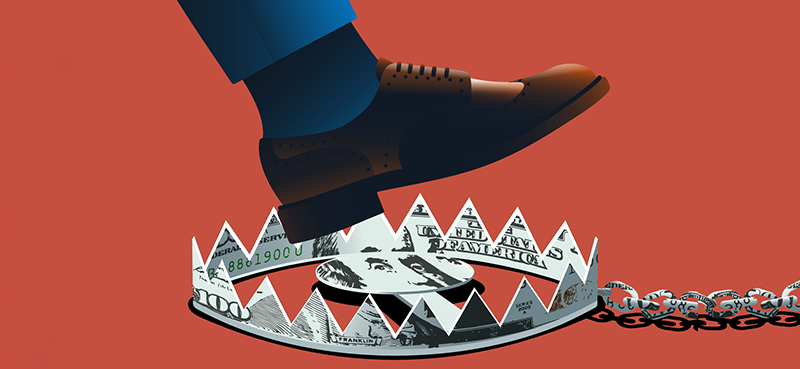

Artificial intelligence isn’t just the biggest tech boom of our lifetimes… It’s the most expensive.
Nvidia CEO Jensen Huang recently projected that AI will require $3–4 trillion in infrastructure spending this decade. At first glance, that number sounds outrageous. But here’s the kicker: Wall Street is already proving him right.
In the past three weeks alone, companies have invested more than $400 billion in AI. Oracle cut a $300 billion deal with OpenAI. Microsoft just signed a $17 billion deal with AI infrastructure firm Nebius. Nvidia and CoreWeave inked a $6.3 billion agreement. Alibaba boosted its AI budget to $50 billion. And that’s just scratching the surface.
For context: The entire global oncology market—every cancer treatment and therapy worldwide—is $225 billion. The global cybersecurity market is valued at around $200 billion. AI spending is dwarfing both of them… in a single month.
This is the kind of capital wave that mints millionaires. But it’s also creating a massive problem.
The looming energy crisis
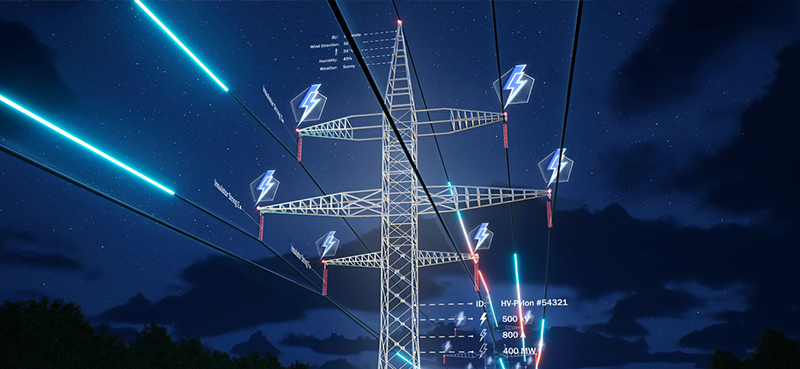
AI is a power hog.
RAND, a think tank with deep roots in government research, projects that AI data centers will require 327 gigawatts of power globally—up from 88 gigawatts in 2022.
For context, 327 gigawatts is enough to run every home in the country, and then some.
The Department of Energy is warning that the U.S. grid faces urgent reliability risks by 2030. PGM, a major grid operator covering 13 states, says retirements of coal and nuclear plants will leave supply dangerously short.
Why the grid can’t keep up
It can take 5–7 years to build a 5-gigawatt power plant. Even if we started building today, it would be next to impossible to keep up with AI’s growth curve.
Forecasts call for Texas’s grid operator (ERCOT) to see demand surge 7% in 2025 and 14% in 2026. Frankly, it’s impossible to meet that with the current infrastructure. That’s why insiders expect rolling blackouts in Texas and California within the next six months.
Meanwhile, hyperscalers like Microsoft are signing 20-year contracts with utilities that bake in aggressive annual rate hikes. If the world’s richest companies are scrambling to lock in energy… imagine what’s coming for the rest of us.
What it means for you
For everyday consumers, the AI boom means higher bills and a real risk of blackouts. But for investors willing to position early, it could mean life-changing profits.
The winners of this crisis won’t just be the obvious AI giants like Microsoft, Google, or Nvidia. The real fortunes will flow into the companies that power AI.
- Natural gas and uranium are the most immediate beneficiaries. They provide the 24/7 “baseload” power that AI requires.
- Coal—despite political resistance—isn’t going away overnight. Some plants scheduled for retirement are being kept alive simply to meet demand.
- Nuclear and fuel cell technologies (like Bloom Energy) are attracting billions from hyperscalers desperate for reliable energy sources.
- And for the first time, solar and wind are now economical at scale and poised for massive growth as utilities diversify their energy mix.
This is the new AI gold rush—and energy is the “pick and shovel” trade Wall Street is missing.
For Frank and Daniel’s deep-dive analysis on the AI energy crisis—and the 3 energy plays to buy today—watch the replay of our live event, “AI’s Power Crisis: How to Profit Before the Lights Go Out.”
Curzio Research publishes market commentary for informational and educational purposes. The opinions expressed and market conditions when the content is published may change. It is not personalized investment advice or an offer to buy or sell securities. Investing involves risk, including possible loss of principal. Do your own research and consult a qualified investment professional before making investment decisions.