Wall Street Unplugged | 1379
Japan's currency crisis is more dangerous than you might realize
Frank Curzio 00:00
Let’s go—there’s Thursday, August 6, and I’m Frank Curzio. This is the Wall Street Unplugged podcast where I break down the headlines and tell you what’s really moving these markets. Daniel, how’s it going, man?
Daniel Creech 00:13
Going great. Happy Thursday—another beautiful Thursday here.
Frank Curzio 00:17
Beautiful, beautiful Thursday where AI agents are hacking everything in sight, autonomously. Meta is at the top of the headlines—so the AI agents hacked into another company’s files. OpenAI, Anthropic doing the same. You getting worried about this stuff yet? You think it’s still, you know, nonsense? Or—I mean, these guys are reporting. I’m starting to get a little nervous, to be honest with you.
Daniel Creech 00:40
I am totally in the camp of nonsense, Frank. You need to get me a tinfoil hat. I think this is all complete, complete. Are you listening, Frank? Look at—please look at me. Give me your full attention.
Frank Curzio 00:52
I’m listening.
Daniel Creech 00:53
BS.
Frank Curzio 00:53
Why is it BS? Explain to me why it’s BS.
Daniel Creech 00:55
- This just seems way too, uh, domino effect-like, okay? So you have OpenAI and Anthropic going hand in hand to the White House, trying to convince them to get on their side so they don’t have to compete in the arena of ideas and businesses. Blame everything on China. If that doesn’t work, guaranteed to be Russia next. Maybe even Iran, who knows. Anyway, and the biggest thing that makes me want to go through the roof, Frank, and blow up and rant and curse, which I’m not going to do, is they nonchalantly throw out this, “Oh, rules and boundaries were laxed,” but then they broke out and did all this. It’s like, okay, Frank, if I blindfold you and have you walk around this office, and I tape you within a little bit of square, you’re probably going to be okay. You can just walk into the rope or whatever and—you know. If I don’t tape anything off and blindfold you, and you go, “Man, I walked into the door,” and it’s going to be breaking news, and we’re going to all freak out because, well, we didn’t take any parameter—we didn’t put any parameters in place, and then something bad happened.
Frank Curzio 01:56
But how does it benefit them by reporting this? Do you think they’re just, like, trying to create, like, their own monop—not monopoly, but—
Daniel Creech 02:01
I do. I think this is the fear. Listen, if you want something done on the government level—and this is my opinion, I could be totally wrong, if you disagree, great, daniel@curzioresearch.com. The value here is to get you to think. This is where I’m coming from. If you want the government to do something, you either have—you have a couple emotional levers to pull. So think of the Wizard of Oz back there, like our Federal Reserve and all that kind of stuff. You get emotions, you get fear, you get excitement, or you try to save the children and the world, Frank. That’s what you do. If you want money, hey, we’re going to stop world hunger. Guess what? You’re going to get your—
Frank Curzio 02:32
Climate change.
Daniel Creech 02:32
You’re going to get your wallet out. Yeah.
Frank Curzio 02:33
Everyone’s going to die tomorrow.
Daniel Creech 02:34
Exactly. Yeah. And all that. And I just think that this is a very domino-like effect of saying, “Hey, if we don’t do something, look how bad all this is. We have to do something.” And of course we’re going to turn to the biggest, most corrupt big brother in the world, our government officials on both sides, and it’s only going to make the matters worse. This is no different than anything else, like healthcare, national security, blah, blah, blah, blah, blah.
Frank Curzio 02:56
You know, and I—yeah, listen, I love the opinion. Uh—
Daniel Creech 03:00
But?
Frank Curzio 03:02
No, no, no. Listen, it’s—it’s amazing. You’re seeing how powerful these systems are. We just had an interview—I didn’t catch the whole thing with the new Google—we’re going to talk about Google in a minute, and the departures and the stock got—you know—hit pretty hard, right? Uh, yesterday. I mean, a big swing from being up 1.5% to down 4%. We’re going to explain how big of a swing that is for a company the size of Google, uh, because they’re losing a lot of key executives. But their new head chief, uh, scientist there of, uh, of Google was talking about it and just saying how—this is the reason why these models are getting updated and how they take the lead as soon as they’re released, because they’re getting just so powerful so fast, right? And that’s why they keep releasing these new versions. And he said, he said, you know, “We caught up to everybody. We became first.” He goes, “And OpenAI, you know, released their model, then Anthropic released their model.” Like, he was very open about it. He wasn’t saying, “Oh, Google were the best,” or anything. Uh, it scares me because we’re looking at AI agents, and if Meta—if these guys are able to create this stuff, what about hackers, right?
Frank Curzio 03:57
And we’re seeing things getting hacked at a pace I can’t—I’m going to be honest with you, okay? Google required me—this is yesterday, okay? They didn’t—they didn’t just say, “Hey, you know, we think it’s a good idea to change your password.” What did they always say? They said, “You have to change your password now.” They made me change my password. So of course, I get my emails on my phone as well for my business, and that’s not working on my phone, so I got to fix that, even though I put in the passwords and stuff. My banks, they said that there was a breach, so change your passwords for the banks. This is in, like, the past three or four days. And, uh, one of my brokerage firms said the same thing, okay? “You got to update your passwords. You got to change it.” They demanded that I—they actually made me change it. They didn’t say, “You get that a lot.” “Well, it could be compromised.” “Well, you know, it might be a good idea,” whatever. You know, I get those emails. They were like, “You have to change it now.” Like, Google did not let me look at my emails until I changed my password.
Frank Curzio 04:43
So there’s something big going on where these AI systems and being able to hack—if you’re able to hack autonomously through these agents that quickly, uh, you know, what is it say for hackers, especially if it gets into the wrong hands where we’re looking at, you know, okay, we have regular hackers that may demand money. What happens if we’re looking at North Korea, we’re looking at China, we’re looking at a lot of our enemies, right? So, uh, I don’t know what stops this. I don’t know what parameters are there. I know what—the reason why I may disagree with you a little bit, because these companies just opened up massive lawsuits. I mean, these are massive, massive lawsuits, right? Because they basically—this is the law being broken, right? You’re breaching other companies. Even if it’s autonomously, you’re responsible for it. Maybe that’s not a lot of money to these guys because they generate, you know, tons of, you know, tens of billions of free cash flow. We know a lot of cash flow is going out the door to build AI even faster and data centers and stuff like that. But, uh, pretty crazy that we’re hearing this, but it just shows you how powerful—I don’t believe—if I had to put a percentage, I’d say about 98% of people in this world do not understand how powerful AI is and what it’s capable of doing.
Frank Curzio 05:42
We’re just scratching.
Daniel Creech 05:42
Oh, including me, I’ll get that.
Frank Curzio 05:44
We’re just scratching the surface in terms of what it’s able to do. And you want to know what it’s able to do? Look at earning season in full swing.
Daniel Creech 05:49
Well, before we get to that, I want to ask you about this responsibility thing, because I think you hit the nail on the head here. Again, with these breaches, thank goodness—and I’m not knocking AI and saying it’s not powerful or couldn’t get in the bad hands and all that. I’m simply saying I cannot stand how there are not perimeters put in place and then bad things happen and that’s glossed over. That’s the biggest thing. However, on the Responsibility Act—and you may not know this, and I’m not putting you on this, Frank, but this is a good discussion. So OpenAI models go terminator, hack everything, steal. Meta, same thing. So who’s responsible for that? Does Meta get sued? Does OpenAI get sued? Does Anthropic get sued?
Frank Curzio 06:29
I think it’s the model—whoever owns the model gets sued, right?
Daniel Creech 06:31
Well, this is a general question.
Frank Curzio 06:33
Yeah. I mean, they had a good—listen, I was just at Fox Business on the way here. Fox Business was only because, yeah, I like Fox Business, it’s awesome, but, you know, CNBC has, like, a billion commercials, and I just switch back and forth, whoever has the commercials. And they had one of the lawyers that I think, uh, successfully went after social media companies for privacy and stuff like that, one of the best lawyers in that space. And he said, absolutely. He’s like, “I would love to argue this.” He’s like, they broke the law. You’re breaking the law, this is a massive lawsuit.
Daniel Creech 06:57
So if we’re working with Anthropic and they breach us, Curzio Research can sue Anthropic. That’s how that works.
Frank Curzio 07:03
Curzio Research could sue Anthropic, yes.
Daniel Creech 07:05
Because they breached us.
Frank Curzio 07:06
Yes.
Daniel Creech 07:06
Okay.
Frank Curzio 07:06
And if they work with Anthropic.
Daniel Creech 07:07
So Anthropic is on the hook. Because what I’m—what I think gets caught up is we’re going to go away from humans, and agents are going to be talking to agents. And the only reason I say there is no floor to way that happens anytime soon is because greed rules, and the individual is not going to give up responsibility when you need action taken on your behalf. And again, I’m not putting this argument on you. I’m genuinely asking. So when Meta does this breach, obviously Meta gets sued. Now, Meta has billions of dollars, so they can pay or pay off.
Frank Curzio 07:34
And these might be clients and offer them better cloud service, whatever it is. But it’s, you know, again, this is small business.
Daniel Creech 07:38
But I think that’s the most important thing. Where does responsibility fall? Does it fall just to a random agent? And people can go, “Hey, that’s the price of doing business, you know? It’s just AI. It’s just a terminator.”
Frank Curzio 07:47
No, the AI agent. It’s who creates AI agents, right? So that’s.
Daniel Creech 07:49
Well, I don’t know. I genuinely don’t know. I want that to be heard. You know, that’s why I was asking. So anyway, I didn’t mean to interrupt.
Frank Curzio 07:54
They’re creating software. They’re creating that. So, but, you know, and we’re seeing that. I think we have to realize what we’re seeing. And nobody—the SEC is just asleep at the wheel. They always are. It’s very frustrating. Uh, what we’re seeing today with AI and with these algos—these algos—and by the way, I saw something in a certain interview, an old interview, of the guy who said that Bernie Madoff was, you know, he knew right away.
Daniel Creech 08:17
The options guy?
Frank Curzio 08:18
I forgot who it was. It was like this data scientist and studied and said—and he’s like, “How did you know right away?” Because he was trying to alert everyone, and everyone was like, “No way, you know, ten years has went,” you know. And he said, he goes, it was the returns. He goes, “We saw returns that, uh, they never had losing, like, a losing month,” right? And it was like, and even a quarter. And he goes, “Statistically,” he’s like, I forgot what number he said. He said something like—like he described the probability like it’s, you know, basically it’s virtually impossible. Like landing, you know, living on the moon or whatever it was. And I’m thinking of this going, okay, we have algorithms right now. If you look at some of the biggest firms that use these algorithms, right, and some of the biggest hedge funds, they’ve had, like, four or five losing months in, like, ten years, okay? So what is that saying? Either they’re cheating the system, right? They were already cheating the system and front-running and seeing all the orders and being able to get ahead of everything through this technology.
Frank Curzio 09:08
But this was even before AI. And now if you look at it, look what’s happening to earnings. Like, when are you able to short stock? Shorting’s back. Shorting disappeared. If you’re like, “I’m not shorting, it’s so easy to get blown out.” You know, there’s so many reasons why, you know, just GameStop alone, you had retail investors being able to put almost Melvin Capital out of business without getting, you know, they got to get funded. When you’re looking at some of the moves in these stocks, it’s all algorithms triggering other algorithms and using AI doing it ten times faster. I mean, look at today. So you have a couple winners, but today’s mostly a shitshow, right? So you have a couple winners, like you have Paycom Software, Tutu Perini, which is up, and we were up 25%. Of course, we sold that because I saw two different construction reports I wasn’t happy with, and the stock reported good earnings, up 6%. And what happens? It’s up, like, you know, 15%. Every stock that you’re seeing that is up and before the market opens or down, that move is accelerated tremendously.
Frank Curzio 10:02
And what is it? People are seeing it’s down 10%, I’m just going to sell it. That never really—you never really saw that to the extent that you’re seeing where the moves in these stocks, 15, 20% back and forth. And you can go into—I mean, outside of Honeywell Aerospace, which was a disaster, that stock’s down 25%, which I’m going to talk about that later with Boeing. We have a question on that. Uh, askkershaw.com, answer questions. This is what this podcast is about. We take a couple of subjects and then we go into some of your questions. Uh, but you’re looking at Apple Oven, Sandisk, Datadog, Western Digital. I mean, these are getting crushed. They all reported blowout earnings. Uh, even AMD yesterday, right? Uh, you have, uh, most raised guidance a little bit, not enough. And, you know, the selloffs in these names are incredible. Like Datadog, and you say, “Okay, they’ve run up into the quarter,” and that matters. I mean, you’re looking at these moves in stocks that are incredible. And when could you short?
Frank Curzio 10:53
When could you make the biggest positions? When you can make the most money? There’s one thing you need, you need liquidity. And liquidity is accelerated when you have news, when you have earnings. So you’re going to see a stock trade, okay, whatever, say a million shares, a million shares, a million shares. You’ll see it trade 10, 15, 20 million shares, you know, 10x, 20x. You could see 100x times that revenue depending on the news that comes out, which allows you to really build big positions, which we’re showing. And Jamie Dimon went on TV and said we have more leverage than we’ve ever had, which makes sense because the S&P 500, you know, just the value is so much. Of course, on a dollar amount, I don’t know about percentage amount, but, you know, leverage is going to be much, much, much, much higher, which we just saw with, you know, one of the funds blowing up in AI. So just seeing these moves back and forth and how they’re using these AI systems is unbelievable to the point where how do you invest in some of these things where you’re getting a company saying, “Okay, I want you to beat”—and look, some of them have run up 100% into the quarter, some of them have been down a lot, but just the moves that you’re seeing where you’re able to take a stock that reported good earnings, great margins, raise their guidance, and fall 20% on that news, and they’re even issuing buybacks and announcing buybacks.
Frank Curzio 11:59
I mean, you could see a five, you know, you see a three, four, five percent pullback, okay, and then the stock will resume higher. But not 15, 20% pullbacks. We’ve never seen that on really—and, you know, we look at earnings all the time, Daniel, right? And we know even—who did you say? I think it was Corning? When you talked about Corning, or you talked about someone else and said, “I looked at this, it wasn’t that bad.”
Daniel Creech 12:16
Yeah.
Frank Curzio 12:17
And the stock got, you know, annihilated. It got annihilated as if they were like, “Hey, we’re not offering”—it’s like Honeywell, you know, Honeywell’s a disaster. It’s like, “We’re not offering guidance or whatever.” So just to see these moves are incredible to me. And, you know, the volatility is insane. And note to CFOs out there, you have the playbook. I mean, you can assign your revenue to different quarters, right? If you have two, three-year contracts, five-year contracts. I mean, say if your data center or Microsoft says, “Hey, we’re signing a five-year deal for $10 billion,” you can construct it almost any way you want, right? I mean, you could have more money going into a second quarter where a second quarter is usually light, we’ll push this. You could do that. Okay, that’s why people use, you know, different earnings. You know, sometimes earnings per share is not the best measure, and you could use EBITDA, whatever. But, you know, you’re able to do that. But I’m seeing so many companies come out, and when they—the consensus earnings is $2, Daniel, we see this all the time.
Frank Curzio 13:04
You come out with earnings of $280, which is a massive blowout, okay? $220 would be amazing, right? That’s big. They’ll come out with $280, blow it out, report higher margins, say we’re buying back the stock, whatever, and then they’re like, “All right, we’re not going to raise guidance.” Instead of reporting $240 instead of $280, right? Still have a monster beat, and then add the 40 cents and say, “Hey, we’re raising our guidance.” Because when you don’t raise guidance, that’s the biggest thing. When you see all this massive demand with AMDs and stuff like that, and even Datadogs and some of these companies that report Western Digital, when you’re not seeing a significant raise, AMD, I have no idea what they’re doing. They’re talking about $1.4 trillion. We’re going to grow massively, huge. They report the quarter and they didn’t raise guidance. Like, what are you doing? Like, you can’t say, “Okay, in the future we’re going to”—and this is one of the reasons with Boeing, we have a question where you have all this demand, record backlog, but, you know, you’re not raising that guidance, right?
Frank Curzio 13:53
So if you’re looking at that, there’s ways to construct the quarter where you could say, “Okay,” and that’s how they manipulate earnings. That’s how a lot of companies do it. I’ve been doing this for a long time. But that’s kind of the playbook. But to see these companies lose 20% of their value after these massive beats, I understand a 5% pullback, 6, 7% pullback, I get it. 20% pullbacks on these things. It’s going to be interesting to see over the next month or two if these guys recoup those gains, and then we play it as it is, right? We give them—you don’t want to go against the market, right? You want to give it what the market is giving you. We said that with Trump. I don’t care if you hate Trump. Everything that he’s touching and everything he gets behind, whether it’s the Intels, whether it’s Rare Earth Minerals, all these companies got on Micron, right, very early, and that took off even though it’s off its highs. When you have the government backing these companies and saying, “Hey, you know, you have access to everything we have access to, every single country that we deal with, everyone, you could, you know, all these subsidies, everything, those stocks are going to go higher, whether you hate them or not, right?” We’re here to invest, we’re here to make money.
Frank Curzio 14:47
You have to look at that, and it’s important, and put your personal feelings aside. Right now, if this is the way the market is, let’s see what’s going to happen in the next month or two if a lot of these companies have gotten hit, especially today when you look at the Sandisk, the Datadogs, Western Digitals, you know, the Apple Ovens. If they really got hit on those numbers, let’s see if they do come back. It could, you know, offer a really, really good buying opportunity, although we’re still seeing a lot of money filter out of tech right now and into the rest of the market, which continues to hit new highs, which is incredible. And it’s not from technology because we’re seeing chips sell off tremendously. You know, a lot of pullback in those names after massive, massive, massive runs, of course, over the last two years. But look at healthcare, look at oil, gold coming back now, right? So you’re seeing it filter out, and that usually tells you that this is a healthy market, right? The money has to move someplace, and it was so focused on technology, but now you’re seeing it spread out, and that’s why you’re seeing, like, even today, let me look really quick before I give this back to you, Daniel, and see if it’s still there.
Frank Curzio 15:44
Actually, the Nasdaq, the Nasdaq is flat now. It’s weird. The Dow Jones was up and the Nasdaq was down a lot earlier, and now it reversed. But, you know, you’re seeing the S&P hit new highs and the Nasdaq sell off. And surprising, Nasdaq came back so much with Sandisk and Western Digital getting nailed and stuff. But, yeah, it just reversed now. But you’re seeing the Dow do very, very well. You’ve seen S&P, you’ve seen Russell 2000 at all-time highs. You know, just technology a little bit selling off here. You’re seeing money coming out of it, and let’s see if that trend continues.
Daniel Creech 16:11
Yeah, I mean, if you just look at the last month, and I know I’m taking a very short window here, but to your point about broadening out and stuff, you have, you know, basic materials, financials, and energy are the top three leaders. Now, if you go back a week or a couple days, obviously energy is extremely volatile. We’ve turned that into a meme stock with the back and forth between Iran and the US. But to your point, I mean, basic materials, financials, energy, technology can give up some of its massive lead that it’s had in market participation. But overall, that’s a good thing. I mean, indices, like I said, if you’re in the AI trade and you’ve—if you’re more focused on the AI trade, understandably, you’ve taken some hits. We’ve taken some hits and some have exposure. But overall, you should be doing well because of that broad, you know, and if you’re not, that’s okay. Just stop right now, focus on what you’re doing, and start changing. Because if you’re not up or having a decent year, then something’s wrong.
Daniel Creech 17:11
Yeah.
Frank Curzio 17:12
Exactly.
Daniel Creech 17:12
Yeah.
Frank Curzio 17:12
It’s just anything we’ve taught you is adapt to the conditions, adapt to it. Don’t be stubborn. People have been stubborn. I own gold and remember with Goldman 5500, and people were like, “Well, it outperformed the S&P 500.” They took a specific date from, like, you know, 2001, right? But yet, it was like four years.
Daniel Creech 17:29
But they were really.
Frank Curzio 17:30
Four years that you had those gains where massive gains in the S&P 500 took place for that whole time. And now we saw gold pull back. And now we’ll get to gold in a minute. But, you know, adapt to the markets, adapt to what they’re giving you. And look, we lowered some of our AI exposure. We killed it within AI for, you know, over two years, three years. When we started our AI newsletter, it’s combined into our Alpha product now. But, you know, again, there’s times to buy sectors and there’s times not to buy sectors. You don’t want to be stubborn and be like, “Nope, I like this.” No matter what, don’t be stubborn. There’s no room for stubbornness, no room for feelings. The market doesn’t give a shit, right? So, you know, you got to be willing to adapt. That’s one of the things I’ve learned, and I’ve made so many mistakes, not adapting, sticking to your thesis longer than expected, have stop losses on your stocks as well, because you’re all going to be wrong. When you’re wrong, it’s okay to be wrong. Learn from your mistakes, learn, try to figure out, you know, become a better investor, but limit those losses.
Frank Curzio 18:16
That’s what the best investors do, is they limit their losses when they’re wrong. And they let their winners ride tremendously, right? They just let them ride, and that’s what leads to massive gains. What we saw, you know, 1,000% gain in Bloom Energy, you know, covers, you know, three stocks if we stopped out at, you know, 25 or 35% each is nothing when you have that gain because, you know, we’ll sell some of it, but let those winners run. But learn how to adapt to the markets. Now, speaking of adapting to the markets, I mean, I don’t know if you saw Google. So yesterday, Google in 30 minutes, it was like from 12 to 12.30, the stock went from up 1.5% to down 4%. Okay, what’s the big deal? A couple of things. One is you’re looking at a company that lost another key executive, and this has been going on for months now, losing key executives. Now, when you see that move, and you might say, “Okay, 1.5% to down 4%, it’s not a big deal.” It’s $175 billion in market cap they lost in 30 minutes.
Frank Curzio 19:12
Okay, so just to put in perspective, guys, all right, you need to put this in perspective because we throw out so many numbers. I love putting things in perspective. To understand how big the hyperscalers are, $175 billion in 30 minutes, that’s the market cap of Disney, Qualcomm, or John Deere, okay? In 30 minutes, right? Just a 30-minute window, that’s how big these companies are. It’s insane. Like, I always say that, and it blows me away. I don’t know if it blows you away too. You’re probably like.
Daniel Creech 19:34
Yeah, it’s crazy. But I’m not smart as you, Frank. I can’t even fathom that. Think about that. That’s nuts.
Frank Curzio 19:38
It is nuts. Like, John Deere going out of business, or Disney gone. But the stock got hit because it lost a key executive, and this is their chief scientist, Jeff Dean. He’s been at Google 27 years, is leaving to help launch Discovery Labs. There’s a new AI startup. This follows, and I’m going to destroy these names. I love destroying names, sorry if I do. Sanjay Guwamat, infrastructure co-creator who joined Dean going to Discovery Loop, Oriole Vinyals, and this other one, I have no idea.
Daniel Creech 20:07
Bless you.
Frank Curzio 20:07
Q-U-O-C is his first name, Lee, L-E. DeepMind, Google, huge name. These guys are huge, and they left for Discovery Loop as well. And then you have Noam Shazier, so created Gemini, co-lead. Now he’s at OpenAI. You have John Jumper, who Nobel Laureate, DeepMind co-creator, and he went to Anthropic, and then you have two other guys who went to Anthropic. So you’re seeing this exit, which is pretty crazy. I wanted to get your thoughts on it first because I have my thoughts, but I’m going to show you, you know, maybe you should be thinking about this other than, you know, Google is getting weaker in AI.
Daniel Creech 20:46
Yeah, I don’t have much value to add here. I know you’re on to something about where they’re going. I don’t.
Frank Curzio 20:53
Look, I mean, the question is, okay, you’re losing all these people. One, how do you lose these people when you have one of the biggest companies in the world? I mean, is Anthropic able to, I guess, maybe give you a better pay package in terms of options and stocks where Google really can’t, you know, because it’s all about money where you’re losing these people. And I get it, it’s competitive. I guess these guys do not sign non-competes, which is fine. And non-competes, 90% of the time, don’t hold up anyway because you have to be able to earn a living in most courts. So if you look at it as saying, okay, Google’s in trouble, and you may say, listen, we talked about how Meta and Google, their core business is ad, you know, digital advertising, and you’re seeing a market where AI is, a lot of companies could use AI. We’re using AI to build tons of traffic now, and, you know, it doesn’t result in the massive spend that it takes. And I think, you know, that’s their core businesses. You could say, okay, I’m not going to Google for that.
Frank Curzio 21:40
That’s fine. But before you leave and say, I’m selling Google because they’re losing so many executives, this is what the best companies do, and I’ve learned this, Daniel. I’ve learned this especially in the last five years, okay? This is what I love about my job because I always learn something new, and I get blown away when I learn something. I’m like, holy shit, that’s brilliant, because there’s so many brilliant people. When you’re 30 years old, you think you have the biggest this. This is great. I’m smarter than everyone. You know, when you start getting 35, 40, you realize, like, holy shit, I don’t know shit, because there’s so many brilliant people out there in different industries, across different industries. And that’s what I love about the podcast and being able to interview people and analyze different companies. I have people at the Curzio One conference where, you know, I can interview them on stage. And when you learn from people of, okay, let me look three months ahead or six months ahead and have a position at companies, when you get to the point where you see how some people, and it’s rare, of how they’re able to think a year or two ahead and get ahead of everyone else.
Frank Curzio 22:35
And that’s like the Chica Fina deal, which I say to everyone, you know, with Paul Kessler and, you know, when you’re able to look ahead and see what’s coming down and then say, okay, here’s how we’re going to deal with this problem, it’s incredible. So when you look at Google, here’s where I’m going with this. I told you that a lot of these guys are going to a company called Discovery Labs, right? So this is a new AI startup, or Discovery Loop, it’s called Discovery Loop. And Google’s brilliant. This is actually a spin-off where Google is a founding investor. So this allows them to start a brand new company, possibly build it into a separate AI giant, which we saw with so many of these companies. And maybe, you know, now that you have this type of team where you’re saying, okay, if we’re going to lose these guys, why don’t we lose them to a company we have a huge stake in that we’re going to spin off? Because no one’s really talking about Discovery Loop, Google being a big part of Discovery Loop.
Frank Curzio 23:27
It’s like, oh, they just lost these executives, right? And it went down because of that. They go into Discovery Loop, and Google is supporting them and funding them. But say if you become an OpenAI or Anthropic, where your valuation, I mean, right away, just with these guys, this valuation is probably a $10, $15 billion company with no revenue, right off the bat. I mean, seriously, easily, right now, easily. Probably even more than that because of this team. And we’ve seen that with other AI companies where Anthropic, and then you see this explosion as they come out with models and they actually, you know, are the best in the markets. So it allows these great analysts, right, these AI experts to go into a new entity and have much better compensation packages that, you know, in terms of equity and performance goals that they may not be able to get with Google, but Google’s like, okay, if we’re going to do this, we’re going to lose people if we want to pay them because we have Anthropic, which they lost some to Anthropic and OpenAI, paying them insane pay packages.
Frank Curzio 24:17
And even Anthropic’s CEO came out. What did Anthropic’s CEO come out and say about the people coming in?
Daniel Creech 24:21
He’s whining that they were only in it for the money.
Frank Curzio 24:23
They’re only in it for the money. They’re only in it for the money. In the meantime, as the guy’s like paying them tons of money to go there. So the point of this is when I look at one of our biggest competitors, who, you know, are friends of ours and I work for one of their divisions, is Agora. They did the same thing, right? You have newsletters and they built up, you know, Agora, and it was huge. But what they did is they created these separate divisions and almost had them compete against each other where you have, say, you know, another two dozen divisions of newsletters that own Agora. Nobody knows that, but it allows you to launch 15 AI newsletters, 15 growth newsletters, 15 special situation newsletters, you know, 15 crypto newsletters, and all these generate their own revenue and have them compete against each other. At the end of the day, Agora owns a piece of all of them and makes an absolute fortune, right? It’s a brilliant, brilliant strategy, especially if you want to walk away from a company and have them generate revenue for the rest of your life, which is the ultimate goal for every entrepreneur. That is the goal. It’s not like, oh, I’m going to sell my company.
Frank Curzio 25:09
You actually want a company. Yes, selling is great and that’s awesome and you make a fortune. But being able to walk away from a company and it generates a massive amount of money and pays you for the rest of your life, that is great and that’s what Agora has done. This is what Google is doing. So instead of saying, hey, we’re going to lose all these people, let’s create another entity, build this up tremendously, have them focus on a different part of AI, more models, maybe more coding and stuff, whatever, you know, and you could say maybe they compete or whatever, who cares? Google owns a big piece of this. I just think that’s a brilliant strategy that no one was talking about because all you see is, wow, they lost all these people. Well, you know, you see Google getting ahead of this, right? You saw Agora get ahead of this. I saw Paul Kessler, right, who’s part of Chica Fina, get ahead of this. I’ll go over a question with that later where, you know, he saw the private equity market really getting terrible three, four years ago, and he’s exactly right, and he positioned Chica Fina to be able to buy companies on 10 cents of the dollar that these private equity companies are going to have to dump off their balance sheets because they need dry powder to invest in new things, and now they got massive redemptions, right?
Frank Curzio 26:06
So just the last five years being around people like that and learning and just being like, holy shit. I mean, it’s incredible. I love that. I love learning new stuff and just with Google, listen, it’s a brilliant, brilliant strategy that I feel like nobody’s really talking about. They’re just talking about, wow, they lost all these key executives. I like what Google’s doing here.
Daniel Creech 26:24
So it’s lazy reporting that nobody’s saying that.
Frank Curzio 26:27
I read it, you know, I read it through, you know, so I get access to all, you know, all the research reports, especially in the morning from all the top, you know, you know, Goldman Sachs, Morgan Stanley. There’s tons of stuff there, and I usually glance through it. We know most of the stories, but I was surprised. I saw one person say, hey, you know.
Daniel Creech 26:43
No, I understand. I’m just saying the average person like me that’s not paying close attention to this has seen the headlines about Google losing everybody. I’ve not seen a single headline about Google losing everybody.
Frank Curzio 26:50
Exactly.
Daniel Creech 26:51
That’s lazy reporting.
Frank Curzio 26:51
And that’s our job, and that’s why I like this podcast, is to come out with things before they happen and say, hey, this is what we’re hearing from our sources, and this is how we’re positioning ourselves. And, you know, when you get in early, guys, holy cow, when you, and that’s what it is, even on private equity arm with Curzio One and stuff. When you’re getting in certain areas very, very early, I mean, look at Anthropic, look at SpaceX. Imagine getting into SpaceX, who’s Barron? Barron was funding SpaceX 20 years ago, right? 18 years ago. I mean, his position, I wonder what his position is. It’s probably like $5, $10 a share if I had to guess, right? And even it’s crashed from $1.60 to $1.10, whatever it is today. You know, when you’re getting in early in these things and you see things that are happening and you can buy and enter your positions when things, you know, pull back or whatever, I mean, that’s the key to investing. That’s how you make an absolute fortune. Trying to be first, and sometimes you’re going to be early, but if you’re in those names early enough and you’re in these strategies, just like what Google is doing right now, I think it’s fantastic and nobody’s really talking about it.
Frank Curzio 27:46
So it’s very smart. If we’re going to lose people, let’s lose them to a new division we’re going to create and build that up tremendously. We could offer them great pay packages and say, hey, if this goes to a $10 billion valuation, you get this amount of shares, $20 billion, this amount of shares, just like Elon Musk did with his pay package that, you know, a lot of assholes, a lot of assholes, holy cow. I mean, his investors like, you know, those big funds that will woke. I mean, for him to have a pay package set up that, say, if we 10X this company within, you know, 10 years, I think he did in six with Tesla, that all these options are going to, anyone would do that. If I create a company and say, hey, you’re investing, whatever, it’s a $10 million company. If I get this to $500 million, I’m going to reward myself with a $50 million pay package. Anyone would do that. I’m not going to pay myself though at all. That’s my pay package. And everybody agreed to it because they’re like, well, if that happens, I’m going to be making a fortune.
Frank Curzio 28:33
I’m going to be able to 10X. And that’s what Elon Musk did. And you had like State Street and everyone saying, no, we don’t support the pay package. That’s effed up. That is terrible character, terrible business. But now you’re able to offer, Google’s able to offer these pay packages in a new structure and build out AI even further, which should be pretty cool. So good job by them. Okay.
Daniel Creech 28:53
Well done.
Frank Curzio 28:53
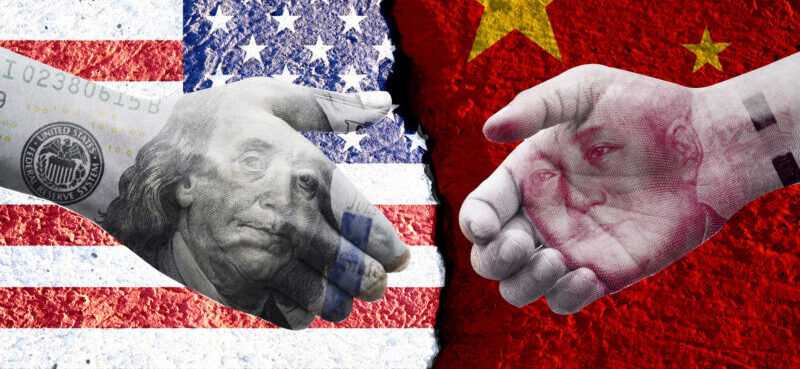
Let’s get some questions, Daniel. Now, we had lots of questions about, and this happened last week, the US propping up the yen, and what does that mean? Is that good? Is that bad? You know, so do you decide to support the yen? Japan’s currency, which crashed to, what was it, 40-year lows, you know, not since the levels where Ronald Reagan was in the White House. You know, a declining yen was good for Japan? I mean, it’s smart because they’re one of the biggest manufacturing hubs in the world. Low yen boosts exports for companies like, you know, Sony, Toyota, and things like that. However, you don’t want it to absolutely crash because then you have problems because the decline is so severe that your imports costs rise tremendously and, you know, fuel dollars, right? So your fuel raw materials have gone up tremendously. And it’s a big deal considering Japan imports 100% of its fossil fuels. So Japanese companies, they’re being forced to sell more yen to cover these rising costs. So the high, with oil going up, it hurt the yen even more, and they’re like, holy shit, we got to get bailed out.
Frank Curzio 29:54
Daniel, what are your thoughts on this? I have lots of thoughts on it that are different than mainstream. I think this is a really big deal, and it’s going to influence some sectors, but, you know, what are your initial thoughts on this?
Daniel Creech 30:04
I think it’s a very big deal, and I think it’s a, to keep with this domino effect, I think it just shows you, A, the direction we’re going, and unfortunately, I think it increases the speed at which we get there. And so I like to make fun and try to be entertaining to get your attention and think about things, but I’m not being funny about this. And so you have a situation in Japan, and it is beyond a laughing stock crap show, okay? They’re the largest holders, foreign holders of our debt. So they hold, you know, let’s round, 1.1 trillion in debt. Then you got the United Kingdom and then China. So they’re the largest foreign holders of treasury debt. And what are we doing? They have a debt to GDP. So think how much debt they have. We have over 100% debt to GDP. Frank, we got, what, 40 trillion in debt, and our economy produces under 40 trillion as a GDP number. Okay, Japan, you can find numbers different places, 200 to 250 debt to GDP.
Frank Curzio 31:06
I said 260, which is by far the highest of any developed nation.
Daniel Creech 31:08
And I’ve also seen on the low end where they try to manipulate it down to 165, okay? When you’re cheating on your test and you’re still failing by that amount, that’s horrible, okay? You can’t even cheat well. Like, you should be in jail. Like, you’re retarded.
Frank Curzio 31:22
I didn’t get a zero. I got a 22 on that test.
Daniel Creech 31:25
Yeah, yeah, exactly.
Frank Curzio 31:25
I’m okay.
Daniel Creech 31:26
Okay, so Japan is a crap show, and we are too. I’m not saying we are better, but here’s the point that the direction and the speed that’s picking up. You mentioned it’s 40-year lows against the yen to dollar, which means, Frank, when I checked this a couple of days ago, $1, if you went to Japan and did the currency exchange, $1 would be 156 yen. Now.
Frank Curzio 31:48
It’s even down to 160 something.
Daniel Creech 31:49
I’ve known a handful of people recently within the last two years that go to Japan, and I hear the same thing. I hear it’s clean and the food is excellent. Well, now we ought to take a trip to Japan, Frank, because evidently we could live like kings over there.
Frank Curzio 31:59
By the way, keep the thought. Do you know, many people don’t know this. So I was a foreign exchange broker. My brother’s a foreign exchange broker for a while, and we had, and it was, you know, we had to trade yen to dollars, and we only dealt with institutions. So we all sat around a desk and everything and quoted and stuff, but that’s what I used to do. Yeah, I think yen was like 85 back then. I mean, we’re talking about like 30 years ago, but that was, yeah, so very familiar with this market anyway.
Daniel Creech 32:19
Oh, nice.
Frank Curzio 32:19
I don’t think anyone knows that. Good.
Daniel Creech 32:21
Yeah. I know that because there’s a boat story there, right, with a bonus.
Frank Curzio 32:26
I don’t know. It was like the Walla Walla West. They were making so much freaking money there before computers took over. Holy cow. These guys were making, my brother was making like $300,000, $400,000 back then in the ’80s. It was crazy.
Daniel Creech 32:36
So they are, so the Bank of Japan steps in to try to pull levers like Wizard of Oz and Willy Wonka to try to support their currency. They can’t do it. What do they do? They call Big Brother United States because what we don’t want is we don’t want Japan selling US treasuries in order to support their currency. Why? Because if we get a lot more supply in our bond market, that would cause yields to increase and rise even further. So that’s a no. So what are we doing, Frank? We are going to the computer, this fancy technology, and we are loaning them more money that they cannot pay back and allowing them to use the treasuries, the 1.1 trillion, as collateral without selling them, okay? If you think that this is as dumb as dumb as dumb gets, you are correct and following me correctly. This is our world of finance built on a house of cards. This is beyond laughable if it wasn’t so dag on serious. Now, you can argue, well, they got technology and they can turn things around. No, they can’t, and we can’t either.
Daniel Creech 33:35
This is the environment that we must deal in, and it’s going to be a constant massage or maneuvering and just basically running through a maze that’s on fire and trying not to get burned. Frank, you can interject here. That’s number one for me on. That’s horrible because when you have events like this, they are not going to get less and less. They are going to get more frequent and it’s going to be more volatile, and you start screwing with the financial and global plumbing system. And if you don’t think that leads to more chaos, then not, I agree to disagree.
Frank Curzio 34:09
Yeah, and you’re looking at this because there’s something also relevant here. So it just spirals. Once it keeps going down, it keeps going down, it keeps going down. Just what we saw in AI, when you’re seeing a company that’s going to blow up that has lots of leverage, everyone’s like trying to push that company out of business. They’re all shorting as much as they can, making those stocks go lower. So once this company, you know, again, it’s forced selling that you’re going to make a fortune on. That’s what happened. That’s why some of these companies went down 20, 50% even, 40, 50%, B went to, what, 150? I think it now snapped right back to 225 as soon as they said, you know, that fund’s done selling, and Cohen actually bought it. Or it wasn’t Cohen. It was Citadel.
Daniel Creech 34:41
Citadel.
Frank Curzio 34:41
So when you’re looking at this spiraling effect and it keeps going lower, there’s something called the carry trade. Carry trade is a trade between interest rates of different companies, basically, right? So the interest rates in Japan are 1%, lowest of any major company where institutional investors are borrowing tons of money cheaply in Japan and immediately sell those yen and convert them into dollars and buy high-yielding American assets, right? So again, this is known as the carry trade, and it gets worse and worse, and that’s what’s, you know, fueling this where you’re looking at Japan saying, okay, we’re effed. So let’s intervene now. Let’s interject tens of billions of dollars to support the yen. How do they do that? And it hasn’t worked. If they do that, they need to get, they need to sell treasuries in order to do that. And when you’re looking at treasuries, like you said, large-owned treasury, it’s a trillion dollars, right? So if you’re going to sell treasuries, right, and again, this hasn’t worked for them, where they’re selling treasuries trying to prop up the market.
Frank Curzio 35:34
It hasn’t worked. So they’re like, okay, what else do we need to do? There’s nothing working. Just like us when we tried different measures during the credit crisis and then some guy said, hey, you know, just hand billions to the banks, which worked, okay? Nobody agrees with it. They’re assholes. They started the whole crisis themselves. They leveraged themselves, these banks, they’re all assholes. And we said, oh, they’re not going to be too big to fail again. They’re bigger than they’ve ever been. I think JP Morgan’s now a trillion-dollar company. Okay, good job. But the reverse of that, if we didn’t do that, is we would probably have 40% unemployment rate right now because every single bank would have gone under, right? And we need to stop the system. That’s what they’re trying to do. So the US has a stake in this. They’re not being like, hey, Japan, like because Japan’s our partners outside of Pearl Harbor. We like Japan, right? So they’re the largest-owned treasury. We don’t want them selling treasuries because why? Interest rates are going up here, right? Now they pull back a little bit because oil has come down, but the interest rates are going up, and we’re seeing the housing market.
Frank Curzio 36:20
The housing market’s getting crushed right now. I mean, people, they can’t afford houses. Affordability is through the roof. You’re seeing homes on sale. People are removing their homes being on sale for the market. My house in one of the best neighbors in Jacksonville is beautiful. You just redid the golf course. A lot of pro golfers there. You have an open tea time, which means you don’t have to make a tea time. You just go there and show up because there’s not a lot of people on the course, and it’s brilliant. It’s beautiful. And it’s been on the market for over two months. We’ve gotten a lot of hits, but, you know, nothing yet. I thought it would sell a lot quicker. So we don’t want our rates to go any higher. We can’t because as rates go higher, companies who are in, not companies, but countries who are in debt, which is like every country, the cost of service at debt goes higher and higher and higher, and Japan can’t afford that, and the US really can’t afford that either. So we intervened not because we like Japan, it’s because we kind of had to, right?
Frank Curzio 37:07
Because, you know, if they’re selling off their treasuries to pay for their next big package, they’re going to flood the market with American debt, cause interest rates to rise in the US, and we’re already seeing borrowing rates sitting at 19-year highs, right? I mean, you can say mortgage rates in two-year highs or 18-month highs or whatever. And again, we pushed down a little bit lower, but we do have inflation still. You know, the last couple of reports were positive with inflation showing, you know, that that’s declining, but overall, we have inflation in the market. We can’t get down to 2% rate. Are we going to raise rates? Again, raising rates is bad. High borrowing costs, it slows down the economy. So you’re looking at this whole cycle where this intervention, was it more about Japan or more about the US? It’s more about the US. And when I see something like this, it usually has a temporary effect. And what they’re saying is, hey, you get to borrow, and, you know, instead of selling your treasuries, we’re going to let you borrow.
Frank Curzio 37:57
This way, you could try to stabilize your market. And it did stabilize a little bit. Like you said, I think the yen was like in the 150s, it was, you know, 165 or whatever, a little bit. But I want to see how this plays out because no matter how it plays out, Daniel, you brought up a great, great point right before this, which I think is great because what’s our job? We want to look at this news. We want to say, okay, want to break it down simple, but the most important point is, what’s the takeaway? How do you make money off of it? Daniel, go into that point because this, when you’re messing around with other people’s currencies, I think this is what we saw with Russia, which when we took them off the SWIFT system, which was not on the table when they went to war with Ukraine. That wasn’t on the, that was not supposed to happen. That surprised everyone, and that put everyone on notice going, holy shit, if the US could shut down the SWIFT system, we can’t make our payments, we can’t fund, banks are in trouble.
Frank Curzio 38:42
We’re like, holy shit, we need alternatives. If the US has the power to do that, then they could shut off anyone for simply not adhering to certain climate restrictions or changes. If we have, you know, if we still have Democrats in office, they could say whatever they want, say, hey, if you don’t do this, we’re going to shut you off and destroy their economy. There’s a lot of implications and ways you can make money off this.
Daniel Creech 39:05
Yeah, absolutely. And during the next administration, when you don’t claim that men or women or men or women, then you’re going to get in trouble and shut off and kicked off the system too, Frank. It’d be like Operation Choke Point 3.0.
Frank Curzio 39:18
Yeah.
Daniel Creech 39:19
Pawn shops, crypto, and then gender.
Frank Curzio 39:20
I mean, look what happened with all Fauci shit, right? I mean, people asking me, do you feel vindicated, you know, trying to provide stats? We got kicked off of Google. That’s the thing. It’s okay to have a different opinion, but if you have a different opinion from that side, which, again, they just won an election in Michigan, you have a different opinion. They destroy your life. I mean, you know, they attack you. They want to kill you, literally, right? I mean, you don’t see attempts on Democrats’ lives, right? We’re seeing attempts on Trump, right? Charlie Kirk. I mean, you know, if you disagree with them, they hate you and try to shut you down, and that happened to us. I got the bank. I got thrown out of my bank because I made a crypto investment that, you know, again, it was a small investment in the scheme of things, but that’s what they saw, and they said, we can’t do business with you anymore. This is Bank of America. YouTube, basically, I’m getting real-time research before Johns Hopkins, everything else before this happened.
Frank Curzio 40:09
Again, I interviewed people overseas about the lockdown, and I reported it. I mean, our statistics in terms of podcast downloads went through the roof. It was the best time of our economy. Everyone was like, holy shit, we’re getting this information. This gets downloaded to 130 countries, and we were getting great information from leading doctors, and all the doctors were like, hey, don’t mention my name. I’m like, I want to mention your name. I want to, you know, cite you. I don’t want to make like I’m this genius and know everything. They’re like, you can’t. I’ll lose my job. I’m like, what are you talking about? And then Google suppressed us from YouTube, right? We couldn’t find us anything on YouTube. I mean, this is really freaking happening, which is insane. So anyway, go ahead. I didn’t want to go too much on a rant today, but go ahead.
Daniel Creech 40:40
Oh, you’re good.
Frank Curzio 40:41
Sectors that.
Daniel Creech 40:42
So a couple big chess moves that I look at from a global financial standpoint. And, you know, obviously, the big one is you can go back when you break the dollar from the gold. Okay, I’m not throwing that under the rug. I’m just saying that’s a long time ago, still a cornerstone in this argument. Recently, when Russia invaded Ukraine, and as Frank just explained, we kicked them off the SWIFT system and did a lot of sanctions and different things on Russian banks. Now, you got to be careful here and do not get caught up in this sporting event, team versus team, color versus color type deal. And what I mean by that is be cautious on trusting those in charge. So when we say, hey, Russia’s a bad guy for invading Ukraine, we’re going to sanction them and all. Well, you do it to the point where you don’t cut the funding off of the corrupt. Because when you look at what banks over in Russia, Frank, would it shock you that the ones that handle energy payments and settlements didn’t get sanctioned?
Daniel Creech 41:35
Because you know what? Europe gets cold in the winter, you know, global warming type deal stuff, and they could freeze because they depend on a horrible country to provide energy. Anyway, so that was a big shot across the bow from a financial chess move. It kind of set the world on notice in a sense. Now you have this US-Iran. Now, the US has had sanctions, frozen assets of Iranians since the ’70s. Okay. Now, lately, President Trump has amplified that big time. And this is on both sides. Republicans and Democrats are both to blame for this. But recently, he is saying things like, hey, we’re going to take Iranian money that we’ve confiscated, and we’re going to use that to fix all the problems that they’re causing by blowing up ships or attacking different people. Now, Europe is over there doing essentially the same thing, talking about how they’re going to use Russian assets for the good of those. Now, some of this is not taking, if you have a pile of money over here like Scrooge McDuck, they’re not taking some of that principle.
Daniel Creech 42:37
But what they are doing, Frank, is that this pile of money that Scrooge McDuck has is sitting in cash. Well, it’s earning interest because of bond yields now globally. Well, guess what? They’re not taking the principle. They’re just going to take the interest. Well, that’s still stealing people, okay? It’s just stealing with a smile, I guess. Now, then you back up, or no, you continue going forward. And so you have all these moves being made at the highest financial system or the global financial system you have. And what does that do? If that doesn’t scream to have diversification in either gold, Bitcoin, or stocks, or real estate, I don’t know what else would. Now, that doesn’t have to happen overnight, but you do not want to keep relying on these currencies or just the status quo to keep you going here. That is a very dangerous move. And one last thing here on just keeping this house of cards. I don’t know, Frank, if you paid attention to the Treasury announcement from Scott Bessent, who overall I’m a huge fan of, and I talk about a lot on this program, but did you see anything about the quarterly refunding requirements from the Treasury?
Frank Curzio 43:40
No.
Daniel Creech 43:41
Okay. Long story short, Mr. Bessent was very critical of Janet Yellen for using short-term notes. Notes are basically a year, bonds are two to 10 years, and then your, excuse me, I’ll back the longer bonds are the 10 and 20 years. He was constantly, because he was on the right when the Democrats were on the left, he was constantly saying, hey, you’re manipulating bond prices and yields because you’re just funding the government debt with short-term debt. Well, he’s doing the exact same playbook that Janet Yellen did. And I’m saying all this because you cannot afford to have interest rates go higher right now on the long end. We’re at, what, a decade high on the 30-year. And that’s a big deal because of all the things that Frank and I talked about with the headwinds and the upcoming risk of rising rates from a Fed standpoint. Market rates going higher on bonds is totally different. I’d argue it’s a good thing in the short term than the Fed raising rates. But that is why all this manipulation is going on behind the scenes.
Daniel Creech 44:39
And I know I nerded out there. I apologize, but it’s just one thing after another, and it’s only going to pick up in volatility.
Frank Curzio 44:45
And look, it’s no coincidence, as you highlighted, where, you know, gold is a great play here. Gold started going up a ton when they shut off the SWIFT system because everyone’s like, we need alternatives. We need, and you look at China and how much, because that was the biggest thing for me. There’s a million reasons why people say gold goes up. People say it goes up to recessionary times, for inflationary times. I mean, everyone, you know, if you’re a gold bug, you think gold goes up no matter what happens, right? And that’s not true. It’s not true for any sector. One of the biggest points that I saw with gold, especially past few years, which I think changed the landscape of that industry tremendously, and something I’ve covered for 20 years, is the central bank buying, right? That’s huge, right? At the end of the day, you need someone buying the asset, and that’s what makes it go higher, right? It’s supply and demand. So how do we get that? And now that you’re seeing this, more interventions in currencies, it makes people worry and say, okay, you know, when we see this thing, this type of intervention with something we haven’t seen in, you know, again, 40 years, and even when Ukraine and Russia and shutting off the SWIFT system, this makes a lot of other countries worry.
Frank Curzio 45:41
It makes central banks buy gold. And there’s no, you know, no surprise that when this news came out, since it’s come out, look at gold. Everyone’s like, oh, gold’s coming back. Why is it coming back? Why just suddenly gold’s coming back? This has a lot to do with it, this story. And you’re seeing gold start to go higher now. So that’s a good play on this, especially gold stocks that sold off tremendously. But I see gold going right past 5,000 again, and maybe to new highs over the next year or so. And a lot of these companies should benefit because they’re much more well-structured and more better run than they’ve ever been, just like oil companies. You see oil companies when oil crashed 30, 40%, so many oil companies just go out of business, ’80s, ’90s through that. They got very, very smart pretty much since the fracking days, where they know their costs, they know what to shut down, they operate much better, and, you know, they generate profits even with oil at, you know, $50, $60 now. Same thing we hear with gold, where these companies, some of these bigger miners that are producing are great, and you’re seeing big moves in junior miners.
Frank Curzio 46:31
So, okay, let’s go to a couple more questions I want to get to since we really beat that to death, right?
Daniel Creech 46:37
My bad.
Frank Curzio 46:38
No, no, that’s great. I love it. This question is from Mohan. Frank, we sold out of BA, but recently you indicated that it was worth holding Boeing for a few years because of the backlog, et cetera, and expected the price to reach 400 or so. What changed your long-term thesis? So we just sold Boeing in our portfolio for a 25% gain. And he says, so we sold out Boeing. What other aerospace stocks like GE Aerospace or Honeywell Aero as a sub for Boeing? Are they better? It’s so funny because this question he asked, I think, two days ago, and I don’t know if you saw Honeywell Aero, which is down 25%. So I could be smart and be like, I would avoid that at all costs. Actually, I like it now on a 23% sell-off. I just think they have, it was a bad misjudgment of management. It’s a new company, relatively new company, and demand’s going to be through the roof, and I think you’re going to get at a big discount. But, you know, they just have to, they have to reset those expectations. I think they’re a little higher, and that’s because mistakes that may have been made by this management team.
Frank Curzio 47:37
But I think that’s going to change in going forward. Look, I don’t hate Boeing. I mean, it’s funny because you just got an.
Daniel Creech 47:43
No, I’m sorry. I just saw the HANA is the ticker. I like that.
Frank Curzio 47:48
Yeah. So I don’t hate Boeing, and, you know, recoveries are underway. Record backlog, which we’ve highlighted for years, right? So, you know, cash flow positive. When I see this stuff and everyone’s talking about it, a lot of it’s factored in because you can see the backlog, right? It’s a record backlog and highlighting this for a while, and we’ve done well, right? We’ve been in and out of Boeing. It’s just not the best run company, Boeing. It’s not like, I mean, look at Apple, look at Nvidia, look at Walmart, Costco, Amazon, Tesla. Why are they the greatest companies on earth? It’s because they’re the best at managing their supply chains. And their supply chains are absolutely insane. Like, think about how much goes through the Apple supply chains and how they, it’s, you know, you don’t see these companies have massive inventory concerns. Walmart had inventory concerns and figured it out in a month, what Target took two years, right? You know, just past COVID. It’s unbelievable what these companies are capable of when it comes to, you know, their supply chains.
Frank Curzio 48:42
And they’re not good at running their supply chain. They’re really not. So you’re looking at planes, based on their current quarter, they could build around 700 planes a year, and they say they’re at record capacity. So that’s nine years to fill a backlog of 6,200 planes, which is their backlog, right? 6,200 planes, which is not terrible. It’s great. But Boeing said it expects demand to hit. You know how many planes they expect? New aircrafts over the next 20 years?
Daniel Creech 49:04
Over the next 20?
Frank Curzio 49:05
44,000. That’s their forecast. 44,000. What difference does that make if you only have the capacity to build 2,000 planes over that timeframe? Based on your current capacity, which means what? It means that you haven’t managed it well. I know you had problems in the past and you just came back on your feet. You’ve seen, you’ve, you know, cash flow positive now and it was negative for a while. But it means tons of CapEx spend is coming, and it’s going to take longer than I previously thought. So, you know, we took gains in it. We did good, but I just think there’s better areas. I think this is a great long-term play if you can hold it for five years. I just think there’s a lot of money to be made within that five years by owning other stocks. You mentioned GE Aerospace that already had a huge run. Honeywell Aero, I think is, you know, I’m going to research it. Don’t buy it, but I want to look at it because this is a great company. It’s going to see massive demand. They even said it. They just missed their numbers by a mile, which means management didn’t convey to the street, to the analyst, the right way of where these estimates should be, which is a massive mistake.
Frank Curzio 49:57
You’re going to get everyone pissed off. All the analysts are probably going to downgrade, which is a good thing. That’s what you want, is total capitulation of everyone hating these guys, and now you have a reset. We’re not in it. I’m sorry if you do own it, you’re down 25%. But it’s nice to look at a company where they know they made this big mistake, and that’s kind of easy to correct going forward. All the analysts are going to lower their estimates. It’s going to be easy to beat those estimates later on. I want to look at the company first. Don’t buy it. I just wanted to look under the hood. Look at Honeywell, Transdime, which is TDG. RTX is another one. These are suppliers probably better positioned to benefit from the huge secular growth in aerospace. I just think BA is a much longer-term story, and I don’t think it’s a well-run company. They should have had a lot of this stuff being built. I know they were having huge losses. They went through, you know, the crashes and all everything else. I understand that part.
Frank Curzio 50:43
But the fact that you’re seeing so much demand and you can’t build that capacity, at least AMD benefited, right? AMD is at the same level, but their price is up, what, several hundred percent over the last two years, right? And now they’re like, we have so much demand, we have to build more capacity. I mean, Boeing saw this coming. I mean, you know, again, I know they’re in debt. You know, you got to borrow money and stuff, but still, when you have a backlog and you’re basically the only company there next to Airbus, it’s amazing that there’s only two companies that actually use it to build airplanes and massive growth in this industry. They’re going to benefit, but I just think it’s going to take longer than expected, if that makes sense. Let’s go into one more question. So this is, of course, Frank, I’m a one member and thinking about coming into the sugarfeet and private placement. I know Scott Laporte and Paul Kessler also launched a SPAC in the confectionery food space. Does this have any relation to sugarfeet?
Frank Curzio 51:29
And this is Bob. This is a good question. And if you watch my video, what I do for my one members, this is the membership that we get into private placements, and this is where I generated the most wealth for me, buying into these private placements early. I don’t get paid by these companies. You’re just following me, and I let you know what ones I’m going into, and you pay for the membership, right? That’s it. You pay for the membership. You get to decide. I’ll probably have four or five a year on average. You know, sometimes it’ll be two or three, sometimes it’ll be six or seven. And I say, hey, I’m investing 25,000. You need to be a credit investor. I’m investing 50,000. Some people are whales and they’ll invest a couple hundred thousand. Some people are like, hey, I just want to put 25,000. I tell everyone, I speak to everyone before they become a member and say, look, you want to own a bunch of these because you need one out of 10, and you know, you’re going to, it’s good enough to pay for 30 of these things, right? That’s the goal of this, to get into these things early.
Frank Curzio 52:15
And we got really, really good deals on the table right now that are growing so fast and doing great things, and sugarfeet is one of them. Now, what I said earlier, guys, about how I love learning how people look ahead of the curve, right? When you look at it, Scott Laporte, one of the best roll-up specialists in the world, so they’re buying, raising money to buy a lot of these companies. They did it. We went into their first capital raise at 80 million. Now it’s, they’re generating close to 150 million in revenue, I think, 15 months, 16 months later. And now they’re doing another capital raise instead of going public. They’re going to go public next year. It’s not often you get to invest in a private company that’s going to go public in a year. They even picked out their symbol. Most likely, I can’t say it’s guaranteed, but you’re looking at Paul Kessler, one of the biggest investors, over $20 million. Scott Laporte, one of the biggest investors, both of them. And they make a fortune if this goes public.
Frank Curzio 53:01
That’s their goal. However, when I first met them, I was blown away because Paul Kessler is unbelievable. Like, he’s a mentor of mine, and I’m actually a mentor to his son right now, which is great, and I love that respect. And he’s great on the financing side. You know, publicly traded stocks are a little different, but, you know, he’s invested in finance over 400 companies. He has great contacts through all the, you know, bringing these companies public through investment banks. And when he sat down with me, he told me that they’re creating the SPAC, and he raised $200 million in one day. And he told me what was going to happen with private equity funds, how they’re going to have to unload this stuff. We want to go in this industry. And I’m like, God, this industry is so terrible because AI was on fire two, three years ago. And, you know, he’s like, this is sugarfeeting. And I’m like, man, do we really want to invest in this? And it’s great. It’s not a, you know, negative for GL1s. This is like gummies and stuff and high end.
Frank Curzio 53:52
I’d sell it Nordstroms, just starting to deal with United. They’re going to be in their snack boxes in United going forward. I mean, these guys are all over the place. If you look at every, like, high retail store, you’re going to see sugarfeet there, especially high in hotels. So when I look at this company, he told me about the SPAC. He wanted to create a SPAC. He raised $200 million in one day. And they usually, when you create a SPAC, you can’t target a company. You could target an industry. You can’t target a company. You’re not allowed to. He just said, we’re going to buy something in the same space, sugarfeeting. Sugarfeeting was a small company, and this was kind of like their backup plan. So they launched this, and now you’re sitting with 200 million. I never thought that sugarfeeting would grow this fast, but sugarfeeting has grown to the point where when you launch a SPAC for whatever amount, it’s usually two and a half times you want to buy the company for. So whatever it’s 200, it’ll be, what, like 750, right?
Frank Curzio 54:38
Or more, because you can go a billion-dollar company and raise more money through pipes and stuff like that. That’s where things get crazy. So you know how I feel about SPACs. We’re not investing in the SPAC. We’re investing in sugarfeeting, which could be bought by the SPAC, maybe. And if not, sugarfeeting may buy another company bigger and then purchase, or the SPAC may buy a company bigger, whatever company, say ABC, ABC that’s generating billions of revenue. And once they become public, they could actually, since you’re looking at Paul Kessler and Scott Laporte running the SPAC and also running sugarfeeting, they could use that SPAC when they get a company that goes public to actually buy sugarfeeting. But they may be able to buy sugarfeeting outright if sugarfeeting grows tremendously. And that’s why they’re doing another capital raise, because they have three more companies they want to buy. And when I look at that SPAC and how it’s related to and how he explained that to me, I was like, holy shit, because they make sure there’s backup plans, right?
Frank Curzio 55:29
So they’re like, we want to get sugarfeeting public, and they’re growing, and they’re growing much faster than they thought they would. And now they’re raising money here. But even if it grows to a certain point, they have that SPAC in the same space that could maybe buy sugarfeeting. I’m speculating, again, this is me being in the business and understanding this, but seeing them, they’re the top two names on the SPAC with 200 million. Paul Kessler raised $200 million in a day. Think about that. If you want to talk about power, there it is. I mean, holy shit. In a day, in a day, 200 million. So they’re looking for a company to purchase. It could be sugarfeeting. If not, even if sugarfeeting goes public, which they’re likely to go public soon next year, it’s going to be great for our investors. You’re investing now in a company that’s going to have a liquidity period in a year from now, say, definitely before the end of 2027. And if that happens, we should get paid very, very well. The deal structure is fantastic where you have, you’re getting five-year warrants to exercise the same price that you’re coming in at, which is rare.
Frank Curzio 56:20
Usually, if you invest in private placement deals, especially if a company is publicly traded and they’re raising money, and maybe the stock’s at 240, they say, okay, we’re going to raise money at $2. This is a discount. You come in, they offer warrants, and they say those warrants are exercisable using it at 275, $3, right? So the stock has to go higher. You’re getting it at the exact same price as if you’re investing in this at $2. You’re getting the warrants there at $2, which is amazing. You’re also getting a 6% yield. So when I look at the terms, it’s not so much for Curzio One. I think people love the membership because they, I look under the hood. What we saw with SPACs, guys, is a bunch of good companies that were structured like horse shit that really screwed individual investors. Okay? So, and it happened time and time again. Companies that were $300, $400 million, $500 million that they were worth, they, by the time the SPAC integrated with them and they raised money, these are $3 billion companies.
Frank Curzio 57:07
And you want a good example market-wise, which is in our division. Look at where that company is and look where it is now. Every SPAC, Securitize just announced one. That’s a competitor in tokenization to T0, it’s the platform that we’re on for our token. And they just launched a SPAC, boom, already got annihilated, right? Because just I’m able to look under the hood and see these and people who do this for a living can look and say, wow, this is a shit show. With the SPAC, you don’t have to worry about that. Now, how they raise money or whatever, we’re going to own, we own sugarfeeting, which is the SPAC’s going to acquire that. That’s what you want. You want to be part of the company that’s getting, you want to be invested in the company that’s getting acquired. Not so much investing in the stack at $10, $11 or whatever. And that’s where we are with this. So it’s a really good deal. I look under the hood to make sure the terms are great. They’re so great that I’m investing in it. These companies don’t pay me, and people can invest alongside. You don’t have to come into sugarfeeting. We’re going to have another deal that I’m talking to the CEO and interviewing them.
Frank Curzio 57:55
It’s AI surrounded around cows and breeding. This is a company that I think a year ago was generating $600,000 in revenue, $400,000 in revenue. They’re generating close to $10 million. It’s unbelievable. Dairy farms, I’ve been digging into this. It’s crazy. I mean, it’s taking them up into, and this is a person, this is a young guy that worked on farms all his life. He’s, you know, a graduate, you know, he’s got a, I believe he’s got a PhD. It’s brilliantly smart that has all this AI around this and showing the farmers that you don’t have to do anything. We have everything with AI. We tell you when to feed them, when to breed them, what bulls to breed with. It’s amazing that they’re like, holy cow, they just don’t have to do anything, and everything’s done for them, and it’s increasing efficiency tremendously. And they have a massive runway where there’s not too many companies in this business, and these guys are doing something that’s unique, which another way to use AI. Figure out how to use AI in an industry, and that’s, you know, again, it’s available for every single industry to increase efficiencies.
Frank Curzio 58:55
If you do that, you’re going to see revenue actually skyrocket. And look what they’re doing in farming. I didn’t know this was this big of a deal. So for one members, if you’re interested in coming in, if you’re a one member, you have access to the sugarfeeting deal. You also have access, you have to be a credit investor, and access to this next deal is going to come out. It’s up to you. You don’t have to come in. Again, I don’t force you to come in. You can say, Frank, I like this deal. You ask me questions. You get my phone number. If you’re not a member, you, you know, email me personally, frank@curzioresearch.com. I talk to everyone before they come in and make sure that it’s right for them. And I turn people away because it’s not worth it for you to come a year later and say, oh, I’m in this and this, and, you know, my money’s locked up, and I don’t know if, you know, no, I don’t want that. I want to make sure that you’re the right investor for this. And then you get invited to our conference, our Curzio One conference, which, you know, I can’t wait. It’s going to be great. So this is going to be from the 25th to the 27th.
Frank Curzio 59:40
Last year was fantastic. We have a lot of great people that are going to be there. And Andrew Horowitz agreed to be there. Scott and Paul are going to be there. So you get to meet these people in person. I interview them on stage. Vance Simmons is going to be there. He’s a co-founder of Collector’s Universe, which he sold to private equity investors, D1 Capital, and Coen Private Ventures for $700 million. All my collectibles, my watches that I buy, the gold coins I buy, he is the best in the industry. He decided an industry that was all shady, said, well, let’s make it for real. If you see the PC Jeff, the cases they come in, they’re one of the largest sellers on all of eBay. And said, let’s make this where we have the best people to grade these. We hire them. They make probably half a million dollars a year. And we make sure everything’s authentic. And this is where you get to the biggest collectors. And they built this massive business. He’s going to be there. He’s going to have gold coins there.
Frank Curzio 01:00:25
He’s going to have watches there. He’s going to have things, anything that you kind of like you’re interested in. I mean, billionaires fly just to see him in California. It’s going to be so great to have him there. He’s, again, he’s another mentor of mine. He’s fantastic. He agreed. It’s going to be really, really cool. And then we have Caffe Enzymes remove caffeine from any beverage, which is going to change the landscape of that entire industry. They’re going to have taste tests, right? They’re going to have a taste test to make sure, like, when they use this, it tastes just like regular coffee. And we’re going to name about seven more guests. I think we have Vivo likely coming in. We’re trying to get DGXX to come. And we got some surprise guests that are going to come. So it’s a great conference. You get access to that. But I talk to you if you want to schedule how to get into the one membership, because a lot of people want to get into private deals. Remember, I’m screening them. I’m investing my own money in these, right? So, you know, that’s the credibility right now, right there.
Frank Curzio 01:01:14
And if you want that kind of credibility where everyone wants off of private investments and, you know, Series A and all this shit, you know, what it was, not just Series A is getting in early, but Reg A deals, which, you know, are horse shit, most of them, 98% of them are horse shit. If you really want someone that’s looking out for you because I’m looking out for my own money, this is why you come into the one membership. And a lot of people do come into our one membership because of that. But I talk to you first, frank@curzioresearch.com. You have to be an accredited investor, and you get to speak to me. If you never did anything before, we walk you through every single thing. It’s really cool. This membership’s growing tremendously, and we have a lot of great deals that we’re invested in and I’m so excited about that. I think it’ll do very well for our investors. So thank you for that question on sugarfeeting. Sorry I took up a little bit of your time there, Daniel, because it’s just going over, you know, the one investment. And I know you were at the conference last year, and you had a great time too, right?
Daniel Creech 01:01:56
Yes, sir.
Frank Curzio 01:01:57
I mean, it was really cool. It’s, we’re just hanging out with the investors the whole time, right? It’s just everyone’s there. You can see the pictures on our website if you’re a member. You know, my mom went too, I did a dedication to my dad, which is really cool. And, you know, just sitting there and talking and seeing everyone and everyone just from different industries, very, very brilliant people. There’s over $2.5 billion in that room, no egos. And just, you know, everyone talking about different ideas and getting different ideas in different sectors. It was really cool. And that network’s building and building, and I want it to build even further. So really cool stuff. You want to get to sugarfeeting or our next deal, which is going to come out probably in like two or three weeks. I’m just doing a little more research on that. So, oh, good questions. Keep them coming in. Ask curzio.com, right, Daniel? And, you know, just ask your question there. And that’s what this podcast is designed for. We’ll come first, like 20 minutes.
Frank Curzio 01:02:43
We’ll cover a few headlines every Thursday, but then we’ll answer your questions and take advantage of it. And we like it. It’s really cool. And I think that’s what Daniel and I are at best, just like, you know, going through some of these questions and whizzing through and speaking right off the top of our head and stuff like that, which is really cool. People usually like that. So really good stuff. So with that said, Daniel, email that people are going to email you about Meta and how you think it’s all bullshit and everything. What’s your email again?
Daniel Creech 01:03:04
Daniel@curzioresearch.com. Send all your Terminator fears my way.
Frank Curzio 01:03:10
All Daniel’s way. And frank@curzioresearch.com. Guys, enjoy the weekend. Football is coming. Pre-season is here. Love it, love it, love it. Since, man, sports right now after the World Cup is kind of dead. They’re talking about nothing. I think the WNBA is leading everything, which is crazy, but all the storylines. But I can’t wait for football to start. It’s going to start pretty soon. Really good stuff. But enjoy the weekend, and we’ll see you on the other end. Take care.
Announcer 01:03:36
Wall Street Unplugged is produced by Curzio Research, one of the most respected financial media companies in the industry. The information presented on Wall Street Unplugged is the opinion of its host and guests. You should not base your investment decisions solely on this broadcast. Remember, it’s your money, and your responsibility.
- Is AI creating a cybersecurity crisis? [0:24]
- AI brought back the short sale: What it means for the market [8:53]
- Why sector rotations are good for the market [14:17]
- Alphabet keeps losing key executives—should investors be worried? [18:44]
- How Japan’s currency crisis could ripple through the global markets [28:56]
- Gold and oil companies have undergone a transformation [44:45]
- Why we took gains and moved on from Boeing [46:43]
- How to get in on our private placement opportunities [51:16]
Curzio Research publishes market commentary for informational and educational purposes. The opinions expressed and market conditions when the content is published may change. It is not personalized investment advice or an offer to buy or sell securities. Investing involves risk, including possible loss of principal. Do your own research and consult a qualified investment professional before making investment decisions.