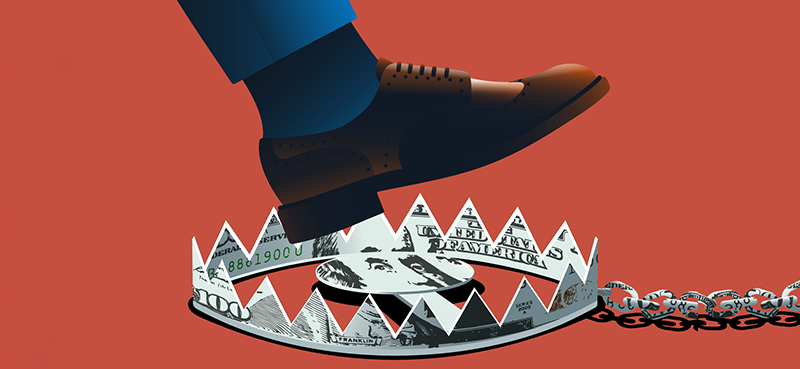


The markets have been on shaky ground since President Trump first announced massive changes to the U.S. tariff policy.
And the more developments that unfold, the murkier the details seem to get…
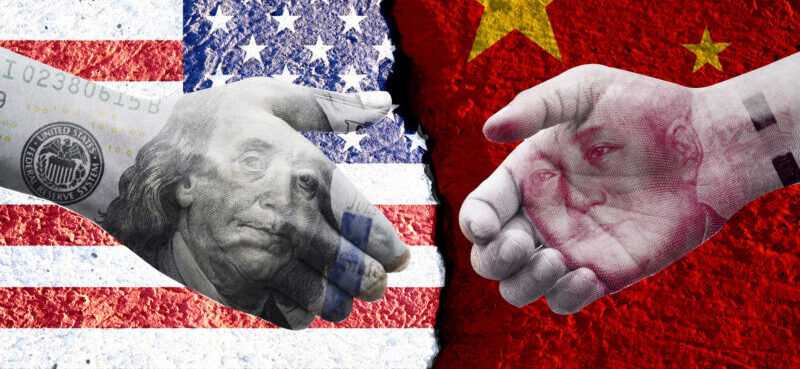
For instance, last week, Trump expressed optimism about reaching a new deal with China, suggesting that ongoing tariffs were unsustainable and that a resolution was on the horizon.
But China quickly pushed back, saying no such talks were underway.
The constantly evolving trade situation is not only creating widespread confusion and wild market volatility… it’s having unintended ripple effects across the entire global economy.
In this article, we’ll look at a few of the most significant consequences of Trump’s shifting policies… and how investors should view the situation.
1. Early signs of economic strain
The effects of this uncertainty are already starting to show:
- International travel and lodging are down sharply, with airlines reporting weaker traffic and hotels seeing lower bookings.
- Port activity—particularly at the Port of Los Angeles—is expected to fall by as much as 50% in May, as companies front-loaded shipments ahead of potential tariff changes.
- South Korea, one of America’s key allies, reported its first negative GDP growth (-0.1%) since COVID. Construction projects are slowing, and trade tensions are partly to blame.
- Norway’s sovereign wealth fund, the largest in the world, posted a $40 billion loss, impacted by sharp declines in U.S. tech stocks and currency fluctuations—both of which are tied, in part, to tariff-driven volatility.
These examples are just a glimpse of how interconnected today’s global economy is—and how sensitive it can be to broad policy shifts.
2. Straining alliances and shifting ties
Tariffs aren’t just creating economic challenges. They’re also putting pressure on America’s global relationships.
Other nations are looking to diversify their trade relationships, wary of becoming too reliant on an increasingly unpredictable U.S. market. This shift isn’t immediate, but it’s an important trend to watch over the long term.
Meanwhile, China is seizing the opportunity to strengthen ties by seeking new trade partnerships and expanding its technology influence through companies like Huawei.
3. Erosion of trust in U.S. markets
There’s growing concern about what would happen to the U.S. stock market if foreign investors started pulling back even slightly.
Even a small reallocation of international investments—say, 10%—away from U.S. assets could increase market volatility.
Put simply, uncertain trade policies could inadvertently shake the very foundation that attracts investment in the first place: stability, reliability, and predictability.
More uncertainty ahead… But also, more opportunities
The current environment of confusion is likely to continue for at least the next few months.
Trump’s 100-day milestone is approaching, and while some trade progress could be announced, any major legislative moves will likely need to happen before Congress’s August recess. Until then, volatility will likely remain elevated.
Fortunately, there’s a silver lining: While volatility creates risk, it also creates opportunities to buy incredible stocks at unheard-of discounts.
For instance, less than three weeks ago, we added two new positions to the Curzio Research Advisory portfolio that were too cheap not to buy. They’re already up about 35% and 60%.
And less than a week ago, we added three more bargain buys to the Curzio Venture Opportunities portfolio that are already in positive territory (but still within buy range—reveal the names when you join).
Just remember to look for businesses with:
- Strong balance sheets
- Consistent cash flow
- Pricing power
- Sector leadership
- Proven ability to navigate recessions or economic slowdowns
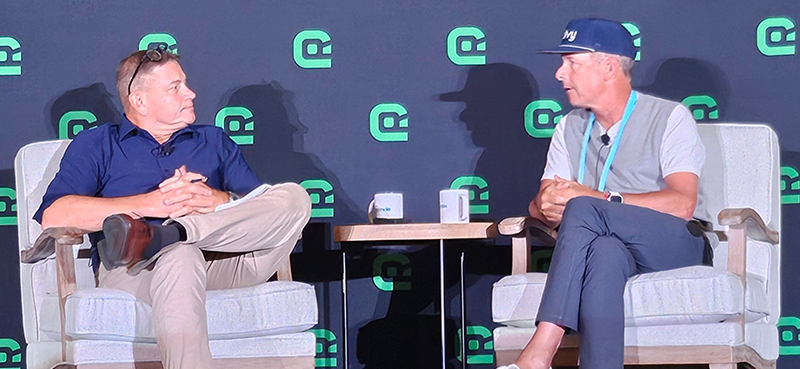
For Frank and Daniel’s deep-dive discussion on Trump’s trade negotiations, check out the latest episode of Wall Street Unplugged Premium.
Curzio Research publishes market commentary for informational and educational purposes. The opinions expressed and market conditions when the content is published may change. It is not personalized investment advice or an offer to buy or sell securities. Investing involves risk, including possible loss of principal. Do your own research and consult a qualified investment professional before making investment decisions.