
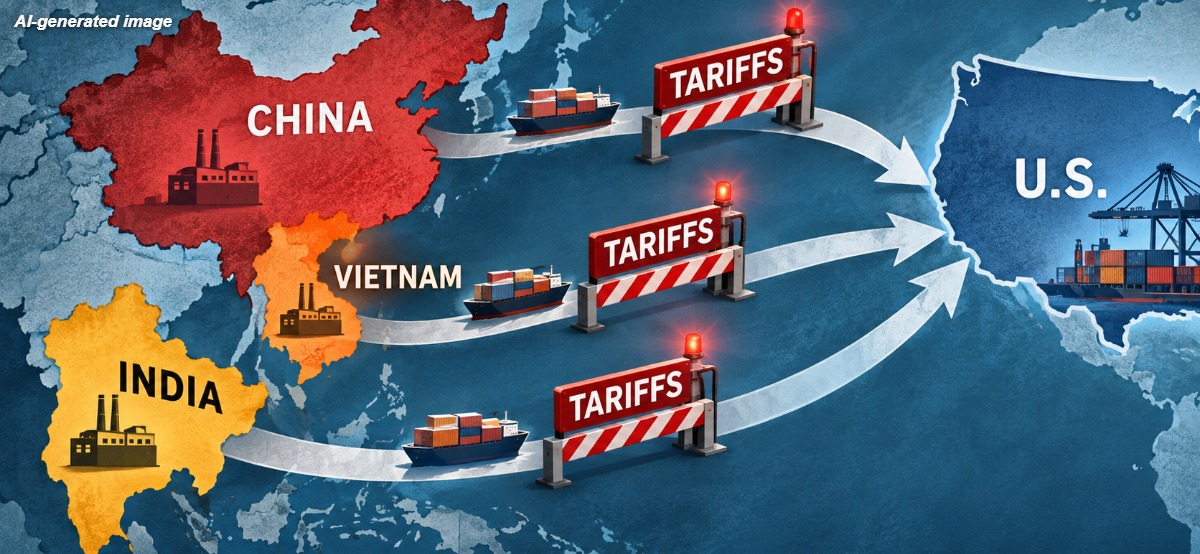
For years, some of America's biggest companies have been shifting production out of China to reduce their exposure to U.S. tariffs.
Nike, for example, has built an extensive manufacturing network in Vietnam. And Apple has rapidly expanded iPhone production in India.
Now, Washington is threatening to impose some of its highest new tariff rates on the very countries these companies turned to.
On Wednesday, U.S. Trade Representative Jamieson Greer proposed tariffs on 14 trading partners, including up to 35% on Vietnam and 25% on India.
For companies that have spent years restructuring their supply chains, the proposal creates a major new risk. And for businesses already struggling to grow earnings, another round of tariffs couldn't come at a worse time.
Washington is targeting the alternatives to China
Back in February, the Supreme Court struck down a sweeping set of Trump administration tariffs. Now, Washington is pursuing new duties under Section 301 of the Trade Act of 1974, which allows the U.S. to respond to unfair foreign trade practices.
While Japan, South Korea, and the European Union face proposed rates of up to 15%, Vietnam and India could face considerably higher duties.
The administration argues that government policies and subsidies across several major economies encourage manufacturers to produce more goods than global demand justifies, allowing them to undercut American manufacturers on price.
Since Trump imposed his first round of tariffs on China in 2018, Vietnam has become a major manufacturing alternative for footwear, clothing, and electronics. In fact, U.S. imports from Vietnam nearly quadrupled between 2018 and 2025. India, meanwhile, has emerged as a major hub for smartphone production. Now, some of the cost advantages that made these countries attractive could disappear.
There's still room for negotiation. Washington could reduce Vietnam's proposed rate to 20% and India's to 17% if the countries reach satisfactory trade agreements with the U.S. Certain products could also be exempt.
The proposals are open for public comment through January 5, with hearings scheduled to begin January 25.
But even if Washington ultimately settles on lower rates, companies that have concentrated production in these countries could face higher costs… with few easy alternatives.
Two household names stand out.
Nike's turnaround just got more complicated
Few American businesses are as exposed to Vietnamese manufacturing as Nike (NKE).
According to the company’s latest annual report, its footwear production broke down as follows in fiscal 2026:
- Vietnam: 52%
- Indonesia: 27%
- China: 16%
- Other countries: 5%
In other words, 95% of Nike's footwear is manufactured in three countries facing new tariff proposals.
And we already know how damaging tariffs can be to Nike's profitability. In its fiscal second quarter last year, Nike's gross profit margin fell three percentage points, with higher tariffs in North America driving much of the increase in product costs.
The bigger problem is that Nike is still struggling to revitalize demand for its products. In its most recent quarter, Nike brand footwear sales fell 6% on a currency-neutral basis. The company sold 5% fewer pairs of shoes, while its average selling price declined partly due to heavier discounting.
Nike is already discounting products to attract customers. Raising prices to offset higher import costs could make its turnaround even more difficult. Absorbing those costs, meanwhile, would put renewed pressure on profit margins.
Apple's big bet on India is under threat
Apple (AAPL) has spent years expanding its manufacturing operations outside China, and India has become increasingly important to its business. In a single year, Apple increased iPhone production in India by roughly 53%. The country now accounts for about a quarter of global iPhone production.
Much of that production is specifically intended for American consumers. Between March and May 2025, 97% of the iPhones exported from India by Foxconn, Apple's largest manufacturing partner, were shipped to the U.S.
Apple's expansion into India has helped reduce its exposure to China tariffs. But if Indian-made iPhones are subject to the new duties, that strategy becomes considerably less effective.
And potential tariffs are only one of Apple's growing cost concerns. Demand for memory chips from AI data centers is driving up component costs for consumer electronics manufacturers.
On Apple's earnings call earlier this month, management said rising memory costs alone reduced its gross profit margin by about one percentage point from the previous quarter, excluding the impact of tariffs. Management expects memory costs to climb even higher in the December quarter.
Apple has considerably more pricing power than Nike, thanks to its loyal customer base and ecosystem of products and services. But there's a limit to how much consumers are willing to pay for their next iPhone.
If Washington imposes new tariffs on Indian-made iPhones, Apple could face another significant cost increase at a time when investors are counting on continued earnings growth.
How to spot tariff risk in your portfolio
Nike and Apple are far from the only companies that have expanded their manufacturing operations outside China. As Washington broadens its trade war, there are three things investors should review across their holdings:
- Manufacturing concentration: How much of the company's production takes place in countries facing higher tariffs? How much of that production is destined for the U.S.?
- Pricing power: Can the company raise prices without sacrificing sales?
- Profit margins: Is the company generating strong enough profits to absorb additional costs, or are its margins already under pressure?
Businesses that score poorly across all three are particularly vulnerable.
The bottom line
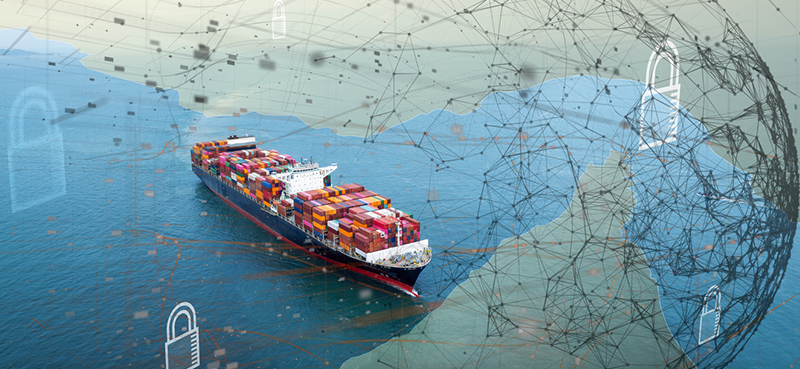
For years, diversifying production away from China helped companies manage their tariff exposure. Washington's latest proposal could narrow the cost advantages of those alternative manufacturing hubs.
And given how long it takes to establish new manufacturing operations, companies can't simply restructure their supply chains every time U.S. trade policy changes.
That makes pricing power and profitability increasingly important considerations when evaluating stocks with global manufacturing operations.
Want to know how we’re preparing for the new potential tariffs, including which stocks we’re buying and selling? Get access to our full portfolio and every trade alert we make when you join Curzio Alpha.
Topics in this article
AppleChinaIndiamanufacturingNikeprofit marginsSection 301supply chainstariffstrade warVietnamCurzio Research publishes market commentary for informational and educational purposes. The opinions expressed and market conditions when the content is published may change. It is not personalized investment advice or an offer to buy or sell securities. Investing involves risk, including possible loss of principal. Do your own research and consult a qualified investment professional before making investment decisions.