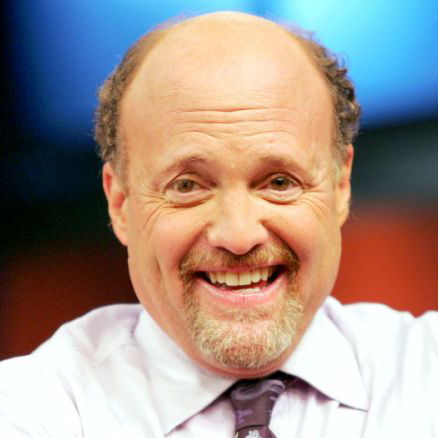
Dr. David “Doc” Eifrig, editor of The Retirement Millionaire joins Frank today to talk about the real economy. That is, the “stuff” we use day to day.
Doc constantly travels across the country and talks to “us”. He constantly compares the trends in gas, cable TV and Internet costs, airline tickets and the cost of a sandwich.
One of his best indicators is his “taxi cab indicator”. What the cabbies are saying is something Doc has followed for years.
Frank asks Doc if he’s currently bullish on the markets or if he is starting to see some cracks. They talk about The Fed., interest rates, and Frank asks Doc about his view on specific stocks.
Plus Doc gives away a few of his best health tips.Curzio Research publishes market commentary for informational and educational purposes. The opinions expressed and market conditions when the content is published may change. It is not personalized investment advice or an offer to buy or sell securities. Investing involves risk, including possible loss of principal. Do your own research and consult a qualified investment professional before making investment decisions.