
Impact on the energy market and investor expectations
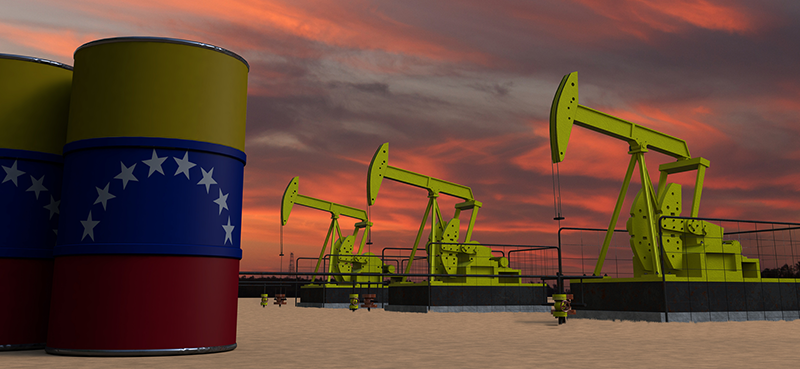
Venezuela has some of the largest proven oil reserves on Earth… But its production has been a shell of what it used to be for decades. The truth is that the country can’t just snap its fingers and pump 3 million-plus barrels per day (bpd) again. It would take years and massive investment to rebuild output. What’s more, the U.S. consumes about 20.25 million barrels of petroleum per day (2023 average). That means 30 million barrels would cover about 1.5 days of U.S. consumption, and 50 million barrels about 2.5 days. So if you’re thinking this will change the U.S. energy overnight, think again. But it does change expectations… We saw this in the market reaction. Oil prices basically shrugged at the news, suggesting traders aren’t expecting any meaningful new supply to hit the market anytime soon. But energy stocks—especially refiners—jumped early as investors focused on what this means for the energy market long term. It’s also important to note that energy feeds inflation. It touches everything from transport and supply chains to utilities, food costs, and more. So when investors hear more barrels could hit the market (even if it takes time), it can cool inflation expectations. And when inflation expectations cool, it makes it easier for rates to come down, multiples to hold up, and risk assets to stay supported rather than breaking down. In other words, this isn’t just an oil story—it’s a macro story.How to play it
1. Refiners
If Venezuelan crude starts moving again in size, U.S. Gulf Coast refiners are the obvious beneficiaries because they’re built to handle heavy grades. You see, Venezuelan crude is heavy, and heavy crude needs complex refining. What’s more, heavy crude is cheaper. Refiners that can handle it tend to see stronger margins when those barrels re-enter the market.2. Crude transport and shipping
If barrels restart, they have to move—and that’s where shipping/transport comes in. Traders are already lining up Venezuelan crude cargoes, securing shipping, and even moving naphtha used to dilute heavy crude.3. The long game
If this turns into a sustained rebuild of Venezuela’s oil sector, that’s when you start talking about majors, services, infrastructure, and who gets first dibs on projects.The risks
No investment story is without its risks. Here are some of the most obvious ones:- Execution risk: Restarting exports at scale isn’t just about turning on the spigot. Traders must deal with dilution logistics and cargo structuring.
- Policy risk: Rules can change quickly, including who’s allowed in under what terms.
- Market risk: The headlines could cool inflation expectations… but if the rollout is messy, sentiment can snap back fast.
The global picture
Venezuela likely isn’t a one-off. It fits into a broader pattern of resource-focused geopolitics. That’s why Trump has already floated the idea of making a move on Greenland next. And as we know, geopolitics is one of the biggest global market movers. Investors must be prepared for the ongoing game of global chess to shake up the market across the board. We’ll keep tracking how this develops—and what it means for inflation, energy, and volatility—in future articles and on Wall Street Unplugged Premium. Make sure to tune in!Curzio Research publishes market commentary for informational and educational purposes. The opinions expressed and market conditions when the content is published may change. It is not personalized investment advice or an offer to buy or sell securities. Investing involves risk, including possible loss of principal. Do your own research and consult a qualified investment professional before making investment decisions.