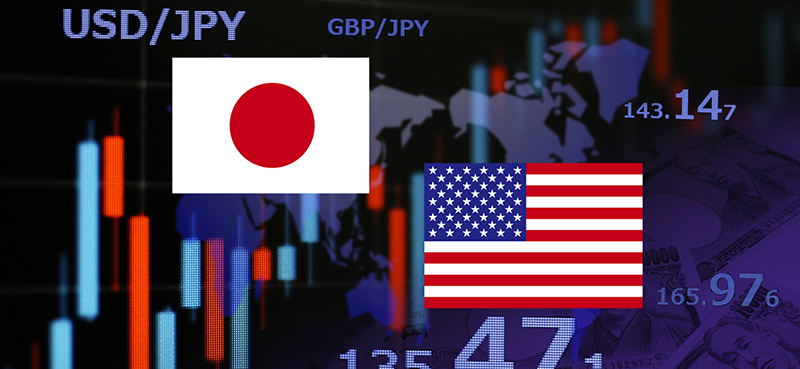
Last week, the U.S. and Japan inked a landmark trade agreement. The deal slashes tariffs on Japanese vehicles, opens Japanese markets to U.S. energy and agriculture, and commits a staggering $550 billion in Japanese investment into the U.S. economy.
Investors are already seeing the impact: Japanese auto stocks jumped double digits on the news. But the ripple effects go way beyond Toyota and Honda… and the smartest investors are positioning now for the next wave of winners.
Let’s break down what’s in this deal, who stands to gain, and how to play it.
What’s actually in the deal?
Here’s the quick breakdown:
- Lower tariffs: Japanese autos entering the U.S. will now face a flat 15% tariff—a big drop from the ~27.5% originally threatened.
- Massive Japanese investment: Japan pledged $550 billion for U.S. industries, including semiconductors, energy, shipbuilding, and AI.
- Market access for U.S. agriculture and energy: Japan will expand U.S. rice imports by 75%, and buy more corn, soybeans, fertilizer, and even sustainable aviation fuel.
- Technology and supply chain collaboration: The deal gives U.S. companies better access to Japan’s high-tech industries—like AI, semiconductors, and robotics—while allowing Japanese firms to take part in U.S. supply chain reshoring. It’s a two-way partnership aimed at reducing reliance on China and strengthening critical industries in both countries.
Who’s already winning (and losing)?
The biggest pop came in Japanese automakers, which suddenly got cheaper access to the U.S. market. These companies now enjoy a huge cost advantage over U.S. automakers—at least in the near term.
Toyota (TM), Honda (HMC), Nissan (NSANY), and Mazda (MZDAY) all surged within hours of the news.
Sony Group (SONY) also rallied thanks to its heavy electronics and supply chain exposure.
Unfortunately for Ford (F) and General Motors (GM), this deal makes Japanese cars more competitive in the U.S. market—right when Ford and GM are still struggling to manage EV costs and shifting supply chains.
GM and Ford now face a major disadvantage. They’ll eventually have to bring more manufacturing back to the U.S.—but that takes time and money. Until then, their margins will lag while Japanese automakers sell cheaper.
But this isn’t just about cars. The $550 billion Japanese investment package targets strategic sectors:
- Semiconductors and critical minerals – bolstering supply chains and advanced manufacturing
- Energy and shipbuilding – more U.S. LNG, sustainable aviation fuel, and maritime projects
- AI and advanced tech – joint development and IP-sharing opportunities
- U.S. agriculture – expanded rice, soybean, corn, and fertilizer exports
Think of it as a two-way street: Japanese exports (like cars and electronics) gain a smoother path to U.S. consumers… while U.S. companies get better access to Japanese demand for energy, food, and technology.
And there’s another recurring winner from deals like this: Boeing (BA).
Why? Because trade deals often use big-ticket purchases, such as airplanes, to balance deficits. Japan is expected to boost its orders of U.S.-made aircraft… which will send Boeing soaring.
The next trade deal catalysts
Japan is just the first in a series of deals coming ahead of the August 1 deadline.
Two under-the-radar countries that could become our next trade partners: Cambodia and Bangladesh.
Why does that matter? Because those countries are massive apparel exporters. If the U.S. signs favorable trade deals with them, Gap (GPS), Levi Strauss (LEVI), Ralph Lauren (RL), and PVH Corp (PVH) could see a 10–15% pop, similar to what we just saw with Japanese automakers.
So keep an eye on these future negotiations—they could trigger the next round of trade-related stock surges.
How to play it
Here’s a simple roadmap for investors:
- Go long Japanese exporters: Toyota (TM), Honda (HMC), Nissan (NSANY), Mazda (MZDAY), and Sony (SONY) should continue to benefit from tariff relief and stronger U.S. demand.
- Avoid Ford and GM for now: Both face cost and pricing disadvantages until they relocate more production domestically.
- Own Boeing as a recurring trade-deal winner: BA often sees orders tied to major bilateral deals.
- Watch apparel stocks for the next wave: Gap (GPS), Levi’s (LEVI), Ralph Lauren (RL), and PVH Corp (PVH) could surge if apparel-heavy countries sign similar deals.
The big picture
This U.S.–Japan deal is more than a tariff tweak—it’s a strategic alignment that unlocks new flows of trade and investment. It rewards companies that can pivot quickly… and punishes those stuck with outdated cost structures.
These deals create immediate pops in the companies most exposed to them. If you can position yourself early—before CNBC starts talking about it—you can ride those 10–20% surges.
And with more countries lining up to negotiate before the August deadline, there’s plenty more opportunity on the horizon.
Editor’s note:
In our brand-new special report, Frank reveals 11 stocks poised for massive gains under the Trump Presidency. Get “The Ultimate Trump Watchlist” as soon as you subscribe to Wall Street Unplugged Premium.