I’ve been researching and recommending small-cap stocks and junior miners for over 20 years…Over that time, some of the world’s greatest resource investors have become good friends.I’m talking about guys like Rick Rule, who runs one of the most successful resource-based funds in the world.Guys like Jim Rogers, who made billions riding the commodity boom back in the 1970s…And guys like Jeff Phillips, who has more 1,000% winners in the junior mining space than anyone else I know.They all have one thing in common that I believe is the key to their success in the resource sector…They follow the same investment system.What is this system?It comes down to 5 simple rules for analyzing any small-cap resource investment.If you follow all these rules, you’ll not only reduce your risk in this volatile sector…But you’ll find the types of companies that could hand you 100%… 500%… even 1,000% or more in gains… no matter what happens to the price of the commodity.So what are those 5 rules?Let’s go over them one by one…I’ve been researching and recommending small-cap stocks and junior miners for over 20 years…Over that time, some of the world’s greatest resource investors have become good friends.I’m talking about guys like Rick Rule, who runs one of the most successful resource-based funds in the world.Guys like Jim Rogers, who made billions riding the commodity boom back in the 1970s…And guys like Jeff Phillips, who has more 1,000% winners in the junior mining space than anyone else I know.They all have one thing in common that I believe is the key to their success in the resource sector…They follow the same investment system.What is this system?It comes down to 5 simple rules for analyzing any small-cap resource investment.If you follow all these rules, you’ll not only reduce your risk in this volatile sector…But you’ll find the types of companies that could hand you 100%… 500%… even 1,000% or more in gains… no matter what happens to the price of the commodity.So what are those 5 rules?Let’s go over them one by one…
Read the signs. Beat the market.
The market intelligence you need to invest one step ahead. Go beyond the headlines. Invest with an insider’s edge.
More about Podcast

Alphabet is in a league of its own among hyperscalers
Alphabet (GOOG) has a leg up on other hyperscalers. Plus, stocks to play oil's volatility… Data centers and the midterms… This power stock's thesis is alive and well… The Clarity Act… Coinbase (COIN) vs. the SEC… And crypto treasury trades.
Are smarter AI models creating a cyber threat?
OpenAI's HuggingFace debacle: Is AI a cybersecurity risk? Plus, SuperMicro's (SMCI) margins… Open-source vs. closed-source AI models… 2 no-brainer AI power winners… The sector with the most AI risk… China's market manipulation… And stay cautious on SpaceX (SPCX).

How DigiPower X’s $1B Cerebras deal is powering execution
DigiPower X (DGXX) CEO Michel Amar breaks down the company's milestone contract with Cerebras (CBRS)… its AI stack roadmap, from real estate to GPU-as-a-service… key catalysts through 2026… and why DigiPower X is in a league of its own.
Is IBM a buy after its worst day in decades?
IBM's (IBM) worst day in 58 years—is it a buying opportunity? Plus, Fed Chair Warsh's testimony… The odds of a rate hike dropped significantly… Two AI buys… The perfect backdrop for big banks… And Wrap's (WRAP) growing TAM.
More from Frank Curzio

How much longer can this bull market last?
Meb Faber, cofounder and chief investment officer of Cambria Investment Management, breaks down his new book on the rise of the 250-year bull market… and how much longer it can last. Plus, why U.S. investors should look abroad.
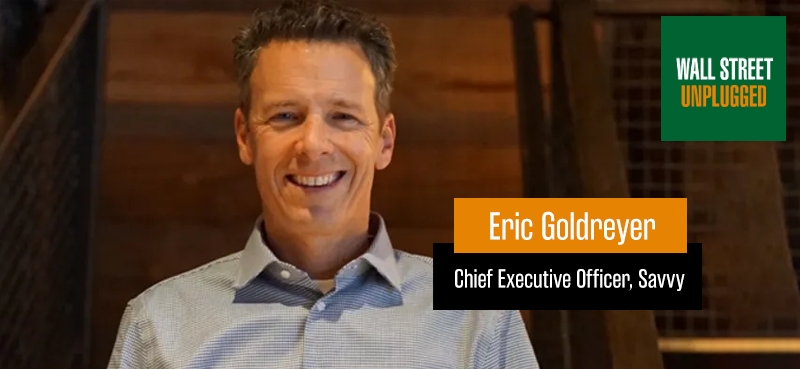
This hospitality disruptor is entering its next growth phase
Savvy CEO Eric Goldreyer breaks down the secret to the company's success—and its next growth phase… how AI is helping unlock customer savings… and his exit plan for this hospitality disruptor.

This chipmaker is a screaming buy
These tech stocks are buys on the pullback. Plus, is it still a "buy-the-dip" market? … What's driving the outperformance in small caps? … Steer clear of this SPAC… Accenture's (ACN) management should be fired… And the broken housing market.
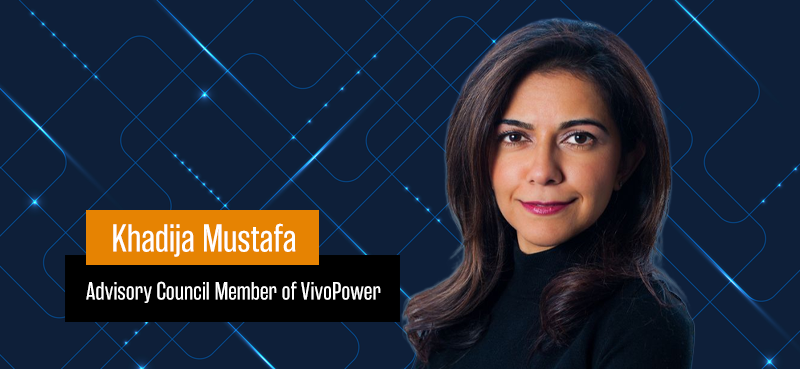
AI is now a critical national asset
Khadija Mustafa, advisory council member of VivoPower (VIVO), breaks down why the AI race is moving upstream… where the hyperscaler capex is actually going… why AI can't be compared to the dot-com boom… and much more.

Will falling oil prices drive the Fed to cut rates?
Will crashing oil lead to lower inflation? And what to expect from Kevin Warsh's first Fed meeting. Plus, SpaceX's (SPCX) move to buy Cursor… AI capex is unlike anything we've ever seen… And introducing Curzio Alpha.

Brace for a market pullback
A market correction is coming… and that's good news. Plus, Senator Warren vs. the SpaceX IPO… Hot CPI data… New Fed chair, old Fed tricks… Gold has more room to fall… And $1 million Bitcoin (BTC) is off the table.

Latest episodes