

Last week, the market delivered one of the most extreme moves we’ve seen in years.
In a single session, nearly every stock on the New York Stock Exchange moved higher. That almost never happens.
The S&P 500 jumped close to 3%, while the Nasdaq surged nearly 4%. Those are huge single-day moves for major indices. And high-growth names—especially semiconductor stocks—surged even more.
On the surface, it looked like a powerful rally.
But when you see everything go up at once, that’s not a normal market move… It’s a signal.
And if you understand what drove it, you’ll have a much better read on what comes next.
What drove the move
There were two main driving forces behind this rally. And neither of them had anything to do with improving business conditions.
1) Forced buying
Pension funds follow strict allocation targets (how much they hold in stocks vs. bonds).
After the recent selloff, stocks had fallen while bonds held up better. That pushed those allocations out of balance.
To fix it, funds had to shift money back into stocks—selling bonds and buying equities in size. Not because they wanted to… but because their mandates required it.
That created roughly $14 billion in buying pressure in a very short window.
And when the forced buying kicked in, it triggered a chain reaction.
As stocks began to move higher, short sellers were forced to buy back shares to limit their losses. That added fuel to the rally—and helped turn a steady move into a sharp one.
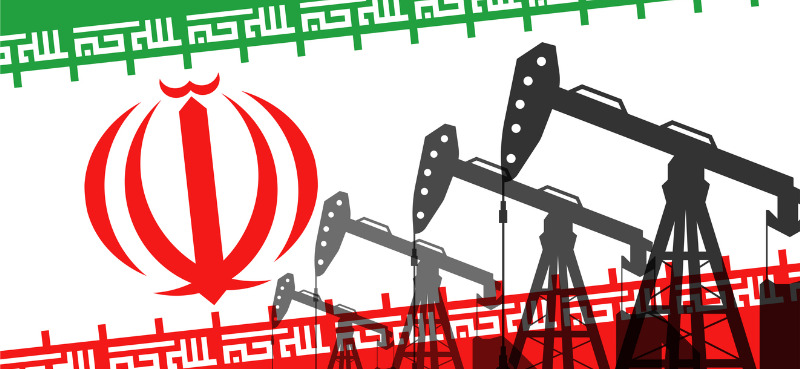
2) The Strait of Hormuz
Right now, nearly all market activity is being filtered through one key variable: the Strait of Hormuz.
It goes way beyond oil. The Strait’s closure is impacting global supply chains, inflation expectations, and economic stability.
Even small updates are enough to move the markets in a big way.
We watched this dynamic play out in real time.
Markets initially sold off as headlines pointed to escalation. Then, as soon as reports of possible negotiations surfaced, the move flipped: Stocks rallied, and oil pulled back.
That wasn’t fundamentals. It was the market quickly repricing the odds of what happens next.
What to do next
It’s easy to look at a move like this and assume the market is signaling something positive. But the risks haven’t disappeared.
Here’s how to approach the market going forward:
1) Watch for guidance cuts—not earnings beats
Over the next few weeks, companies will start reporting their latest earnings… But the backward-looking numbers won’t matter much. The real signal will be forward guidance.
Right now, analysts are still modeling solid growth for the rest of the year. But with the latest wave of uncertainty, many companies will likely offer more conservative guidance as they prepare for slower growth.
If guidance starts coming down, even slightly, that’s where you’ll see pressure on stocks.
2) Pay attention to how stocks react—not just what’s reported
In a normal market, good news pushes stocks higher and bad news pushes them lower.
But in environments like this, anything goes.
You may see some stocks fall after “good” earnings, while others rise on weak results.
That’s a sign the market is still adjusting expectations, so price moves may have more to do with positioning than the actual results.
3) Use volatility to your advantage
Sharp moves create entry points. Instead of chasing rallies, wait for pullbacks in stocks you already want to own. You’re more likely to get better pricing in this kind of environment.
4) Scale into positions instead of going all in
Trying to time the market is already a fool’s errand in the best of times… and all the more so when the market is this unstable. So instead of trying to pick the perfect entry, build positions gradually.
That way, you benefit if stocks move higher but still have room to take advantage of dips.
5) Be cautious with crowded trades
This move showed how quickly crowded positioning can unwind. If too many investors are leaning the same way, it doesn’t take much to trigger a reversal.
The bottom line
The market’s historic move last week wasn’t driven by improving fundamentals or a sudden shift in the outlook. It was based on forced repositioning and headline-driven emotion.
That makes short-term moves less reliable… and easier to misread.
But it also creates opportunities… Because when everything moves together, prices don’t always reflect reality.
And that’s where disciplined investors can find an edge.
For more insights on how to position yourself in today’s market, tune into Wall Street Unplugged Premium.
Each week, Frank and Daniel deep-dive into the latest headlines, trends, and price moves to find the best opportunities in the market.
Curzio Research publishes market commentary for informational and educational purposes. The opinions expressed and market conditions when the content is published may change. It is not personalized investment advice or an offer to buy or sell securities. Investing involves risk, including possible loss of principal. Do your own research and consult a qualified investment professional before making investment decisions.