If you don’t own Intel, I suggest buying shares on the recent pullback.
I just returned from the Consumer Electronics Show (CES). It’s like the Super Bowl of technology conferences. A record 170,000 people filled the more-than two-million-square-foot venue in Las Vegas this year to check out the latest innovations and gadgets from more than 3,600 exhibitors.
This year’s show was fascinating. I had interactive conversations with robots … watched movies on some of the highest-definition televisions ever created … sampled beer from the world’s first automatic beer brewing machine … and saw UAV drones that fly up to 50 mph.
I’ve been attending the CES for years. And there are always a few companies that “stand out” from the crowd as being “innovative” and “difference-makers.”This year that company wasIntel (INTC).Intel has never been high on my list in terms of innovation or excitement. The company produces “chips” that go into billions of gadgets. It’s a boring business — but one that generates boatloads of cash. Intel uses most of this money to buy back stock and pay its investors an oversize dividend (3.1% yield).
In short, Intel lacked the huge growth potential that technology investors like to see in companies like Google and Amazon. This is probably why shares have traded at a discount to the market for over a decade.
However, Intel’s latest technology blew me away at the CES. It was like seeing Apple unveil its first iPad or next-generation iPhone in front of a sellout crowd at Madison Square Garden.
For example, Intel partnered with DAQRI to produce an augmented reality helmet. Intel’s Core M processor will power the “hard hat,” which is paired with a 360-degree camera. This allows someone working on an oil rig, for example, to identify and order replacement parts or use thermal vision to detect problems you can’t see with the naked eye.
Intel also used this technology to create a state-of-the-art paintball mask. This allows users to access live tactical information with a glance.Credit: Intel Corp.Intel is going all-in on sports technology. The company teamed up with Replay Technologies to turn a regular video into a 360-degree 3D video. This means sports fans will be able to view superstar LeBron James dunking a basketball on live television from any angle.
Intel’s button-size Curie processor will be used at ESPN’s upcoming Winter X Games. These chips will be mounted to snowboards, skis and snowmobiles during competition. This allows athletes to monitor and analyze data such as their in-air rotations, jump height and distance.
In a live presentation, Intel showed how someone can be scanned into an actual video game. (They used first-person shooter game Fallout 4 as a demo.) Once the scan is complete, you become the actual character in the video game and can shoot the enemy.
A few more examples of the creative technologies from Intel included:
Autonomous drones with anti-collision features
Intelligent doorways that use face and fingerprint technology to open locks in your home and
Sight-assisted jackets that help guide people with visual impairments.
Over the past two decades, Intel missed out multibillion-dollar technology trends including mobile, online music, tablets and streaming media. The company was often criticized by the media and competitors for lack of innovation.Intelwon’t make that mistake again.Expect to see Intel’s name on every major technology trend going forward including virtual reality, augmented reality, e-sports technology, sensors and the Internet of Things. Intel will not only be in tens of billions of devices — but will be a major player in driving these trends for decades to come.
For investors, this means Intel will likely trade at a much higher multiple as it transitions itself from that “old, boring chip company” into a “high-growth innovative technology leader.”
I suggest buying Intel at these levels and holding it for the longer term. The stock is dirt-cheap, pays a super-high dividend and finally has several growth catalysts. I’m sure Intel will be one of the best-performing Dow Jones components over the next few years.
Read the signs. Beat the market.
The market intelligence you need to invest one step ahead. Go beyond the headlines. Invest with an insider’s edge.
Books are a big part of Wall Street culture. Luke shares his favorite book of all time… and the simple lesson that helped him find the path to big, long-term investment gains.
Learn why Chinese property manager Evergrande rocked the market this week… why it poses a threat to the global economy… and why U.S. investors should invest in China with caution.
It’s time to put on our rally hats… As we near the end of the year, we’re about to enter the mega green zone for stocks. And Luke’s spotted two ETFs primed for huge gains...
OpenAI's HuggingFace debacle: Is AI a cybersecurity risk? Plus, SuperMicro's (SMCI) margins… Open-source vs. closed-source AI models… 2 no-brainer AI power winners… The sector with the most AI risk… China's market manipulation… And stay cautious on SpaceX (SPCX).
DigiPower X (DGXX) CEO Michel Amar breaks down the company's milestone contract with Cerebras (CBRS)… its AI stack roadmap, from real estate to GPU-as-a-service… key catalysts through 2026… and why DigiPower X is in a league of its own.
IBM's (IBM) worst day in 58 years—is it a buying opportunity? Plus, Fed Chair Warsh's testimony… The odds of a rate hike dropped significantly… Two AI buys… The perfect backdrop for big banks… And Wrap's (WRAP) growing TAM.
Meb Faber, cofounder and chief investment officer of Cambria Investment Management, breaks down his new book on the rise of the 250-year bull market… and how much longer it can last. Plus, why U.S. investors should look abroad.
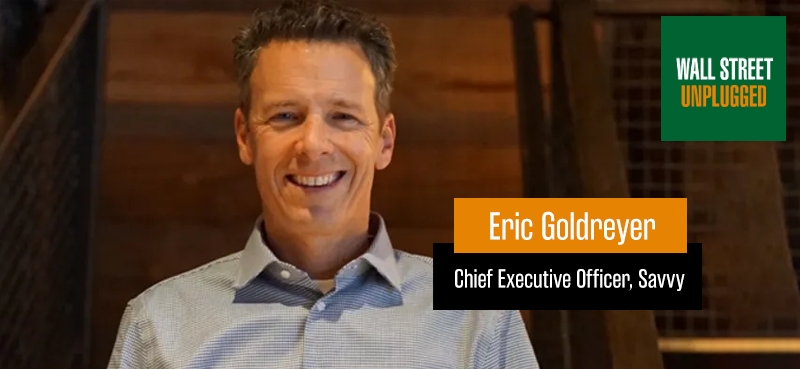
Savvy CEO Eric Goldreyer breaks down the secret to the company's success—and its next growth phase… how AI is helping unlock customer savings… and his exit plan for this hospitality disruptor.
These tech stocks are buys on the pullback. Plus, is it still a "buy-the-dip" market? … What's driving the outperformance in small caps? … Steer clear of this SPAC… Accenture's (ACN) management should be fired… And the broken housing market.
Iran reportedly suspended indirect talks with the U.S. and is threatening to completely block the Strait of Hormuz. That matters because roughly 20% of the world's oil flows through this narrow chokepoint. Here's what it means for oil prices, energy…
The U.S. is tightening sanctions on Iran's oil network. But Iranian barrels are still moving through China and a shadow fleet of tankers, shell companies, and middlemen. Here's why that fragile workaround system matters for crude prices—and energy stocks.
The latest economic data has revived fears of stagflation—a painful mix of weak growth and stubborn inflation. But today's economy isn't the 1970s. Here's what the numbers actually say… and what investors should watch next.
AI is this century's gold rush—and the biggest fortunes will once again go to the companies selling the "shovels." These seven sectors are providing the energy and infrastructure to power the AI boom.
Oil’s sustained price is a major indicator that few are watching. If crude stays elevated, it could keep inflation sticky, limit the Fed’s flexibility, squeeze corporate margins, and shift market leadership. Here’s how to position your portfolio.
War-risk insurance premiums on Strait of Hormuz transits have surged from pre-war levels, and shipping traffic has collapsed by roughly 95%. Here's how insurers are controlling oil transit… and what it means for your portfolio.
The Trump administration plans to drop $2 billion on nine quantum computing companies in exchange for equity stakes. IBM (IBM) gets the biggest slice, but the pure-play names are seeing the real upside. Here's what this signal means for investors.

 If you don’t own Intel, I suggest buying shares on the recent pullback.
I just returned from the Consumer Electronics Show (CES). It’s like the Super Bowl of technology conferences. A record 170,000 people filled the more-than two-million-square-foot venue in Las Vegas this year to check out the latest innovations and gadgets from more than 3,600 exhibitors.
This year’s show was fascinating. I had interactive conversations with robots … watched movies on some of the highest-definition televisions ever created … sampled beer from the world’s first automatic beer brewing machine … and saw UAV drones that fly up to 50 mph.
I’ve been attending the CES for years. And there are always a few companies that “stand out” from the crowd as being “innovative” and “difference-makers.”This year that company was Intel (INTC).Intel has never been high on my list in terms of innovation or excitement. The company produces “chips” that go into billions of gadgets. It’s a boring business — but one that generates boatloads of cash. Intel uses most of this money to buy back stock and pay its investors an oversize dividend (3.1% yield).
In short, Intel lacked the huge growth potential that technology investors like to see in companies like Google and Amazon. This is probably why shares have traded at a discount to the market for over a decade.
However, Intel’s latest technology blew me away at the CES. It was like seeing Apple unveil its first iPad or next-generation iPhone in front of a sellout crowd at Madison Square Garden.
For example, Intel partnered with DAQRI to produce an augmented reality helmet. Intel’s Core M processor will power the “hard hat,” which is paired with a 360-degree camera. This allows someone working on an oil rig, for example, to identify and order replacement parts or use thermal vision to detect problems you can’t see with the naked eye.
Intel also used this technology to create a state-of-the-art paintball mask. This allows users to access live tactical information with a glance.
If you don’t own Intel, I suggest buying shares on the recent pullback.
I just returned from the Consumer Electronics Show (CES). It’s like the Super Bowl of technology conferences. A record 170,000 people filled the more-than two-million-square-foot venue in Las Vegas this year to check out the latest innovations and gadgets from more than 3,600 exhibitors.
This year’s show was fascinating. I had interactive conversations with robots … watched movies on some of the highest-definition televisions ever created … sampled beer from the world’s first automatic beer brewing machine … and saw UAV drones that fly up to 50 mph.
I’ve been attending the CES for years. And there are always a few companies that “stand out” from the crowd as being “innovative” and “difference-makers.”This year that company was Intel (INTC).Intel has never been high on my list in terms of innovation or excitement. The company produces “chips” that go into billions of gadgets. It’s a boring business — but one that generates boatloads of cash. Intel uses most of this money to buy back stock and pay its investors an oversize dividend (3.1% yield).
In short, Intel lacked the huge growth potential that technology investors like to see in companies like Google and Amazon. This is probably why shares have traded at a discount to the market for over a decade.
However, Intel’s latest technology blew me away at the CES. It was like seeing Apple unveil its first iPad or next-generation iPhone in front of a sellout crowd at Madison Square Garden.
For example, Intel partnered with DAQRI to produce an augmented reality helmet. Intel’s Core M processor will power the “hard hat,” which is paired with a 360-degree camera. This allows someone working on an oil rig, for example, to identify and order replacement parts or use thermal vision to detect problems you can’t see with the naked eye.
Intel also used this technology to create a state-of-the-art paintball mask. This allows users to access live tactical information with a glance.